Do You Have a Goal?

A Goal Is A Dream

With A Deadline

Make Your Dream A Reality

Set A Goal

Research And Plan

See It Through

Keeping focused on your goal is key to success.

Find the resources to help you succeed.

Read Our Blog

How At-Home Support Is Transforming Senior Living

Key Takeaways

  • At-home support services empower seniors to maintain independence and improve their quality of life.
  • Technological advancements, such as smart home devices and telehealth, play a crucial role in modern senior care.
  • Community-based initiatives and personalized care plans are essential components of effective at-home support.

Lifelong Learning for a Fast-Changing World

Key Takeaways:

  • Continuous learning is essential to adapt to rapid technological and societal changes.
  • Embracing a lifelong learning mindset enhances career resilience and personal growth.
  • Educational institutions and individuals must adopt flexible, innovative learning strategies.

Navigating Life with Dysautonomia: Daily Strategies for Wellness

Key Takeaways

  • Maintaining proper hydration and electrolyte balance is crucial for symptom and blood pressure management.
  • Daily stress-relief routines can stabilize the autonomic nervous system and reduce flare-ups.
  • Moderate, personalized physical activity contributes to cardiovascular health and symptom control.
  • A nutrient-rich diet with adjusted meal timing supports energy and minimizes symptom triggers.
  • Simple lifestyle modifications, such as compression garments and sleep adjustments, improve functionality.

Changing Habits for Sustainable Weight Loss

Embarking on a weight loss journey is often accompanied by promises of quick results and convenient shortcuts. While these options may deliver temporary changes, the real challenge lies in keeping the weight off for good. Instead of following restrictive or fad diets, individuals seeking real change should focus on consistent habits that nurture long-lasting health. For those seeking expert support on their journey, Options Medical Weight Loss offers tailored solutions and professional guidance to achieve sustainable results.

Emphasizing small, manageable changes is the foundation of lasting weight loss success. The path to a healthier weight is not about deprivation, but about reshaping daily choices in ways that are enjoyable and sustainable. By building a foundation of smart nutrition, regular movement, and mindful living, individuals can achieve meaningful changes that persist beyond the initial effort. This guide explains how to adopt better habits and provides a comprehensive, evidence-based approach with practical recommendations.

Understanding Sustainable Weight Loss

Sustainable weight loss involves gradual, meaningful changes lasting a lifetime, focusing on balanced nutrition, moderate activity, and behavioral shifts. This healthy approach helps maintain results long-term, reducing risks for conditions like diabetes and heart disease. Success depends on daily habits, enjoyable routines, and a healthy relationship with food. Instead of chasing trends, it promotes lasting change through routine and moderation. A scientific approach emphasizes effective habits, with CDC noting that losing one to two pounds weekly increases long-term success.

Incorporate Nutrient-Dense Foods

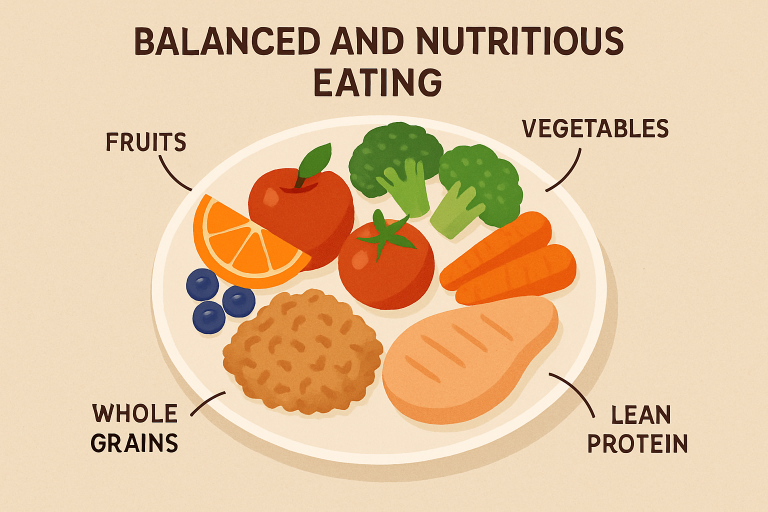
Nutrient-dense foods provide essential vitamins, minerals, and fiber for satisfaction and health, without unnecessary calories. Building your meals around fruits, vegetables, whole grains, lean proteins, and healthy fats supports energy levels and helps manage hunger. For example, increasing your intake of plant-based foods naturally boosts fiber and water content, helping you feel fuller with fewer calories.

Experiment with a variety of food groups to increase nutritional balance. Preparing meals at home can help you control ingredients and portion sizes. When dining out or facing a busy schedule, look for grilled, baked, or steamed options and ask for dressings and sauces on the side. These small switches can yield significant improvements in your nutritional profile and contribute to gradual, lasting weight loss.
Prioritize Regular Physical Activity

Regular exercise is essential for weight loss and maintenance. Aerobic activities like walking, cycling, or swimming burn calories, improve heart health, and boost mental well-being. Strength training increases muscle and metabolism for long-term results. The American Heart Association recommends at least 150 minutes of moderate exercise weekly, divided into sessions like 30 minutes five days a week. Mixing activities keeps routines engaging and prevents burnout. Pairing exercise with enjoyable activities, like listening to music or hanging out with friends, helps make it part of your lifestyle.

Practice Mindful Eating

Mindful eating involves savoring meals and paying attention to taste, texture, and signals of hunger or fullness. Slowing down, removing distractions, and focusing on food can prevent overeating and aid digestion. It encourages responding to your body’s cues rather than eating out of stress or habit. This fosters a positive relationship with food, reducing guilt or anxiety. Tracking patterns and emotions can identify triggers for unhealthy behaviors and promote healthier coping strategies. Practicing mindful eating makes meals more enjoyable and satisfying.

Establish Realistic Goals

Setting small, achievable goals boosts motivation and marks progress, like adding one extra vegetable or doing three workouts weekly. Goals should be specific, measurable, and adaptable. Tracking progress builds confidence, and celebrating victories like better sleep motivates beyond numbers. Regularly revisiting goals keeps your weight-loss journey positive and sustainable.

Seek Professional Guidance

Working with qualified professionals, such as registered dietitians or healthcare providers, provides individualized support. These experts can evaluate your personal history, preferences, and challenges to craft a plan that fits your life. Professional guidance is especially valuable if you have underlying health conditions or have struggled with weight management in the past.

Professionals can also offer accountability, structured tools, and science-based recommendations. Whether you prefer in-person consultations or digital health platforms, expert input can make your efforts more effective and increase your confidence throughout the process.

Monitor Progress and Adjust

Tracking your journey allows you to see what’s working and what needs refinement. Consider maintaining a food journal, logging workouts, or recording how you feel physically and emotionally. Rather than focusing solely on weight, monitor indicators such as energy, sleep quality, and how clothes fit. These insights let you fine-tune your habits for long-term success.

Be open to adapting your plan as your needs evolve. Sometimes, new challenges or changes in routine can affect your progress. Adjusting your approach with patience ensures your weight-loss journey remains both sustainable and enjoyable.

Conclusion

Long-term weight loss is not about perfection, but about progress. Sustainable success comes from forming realistic, enjoyable habits that support overall health. By choosing nutrient-dense foods, committing to regular movement, practicing mindful eating, setting achievable goals, seeking expert guidance, and monitoring your journey, you place yourself on the path to lasting results. Embrace change one step at a time and celebrate each milestone along the way as you build a healthier, more vibrant future.


How Professionals Ensure Safe and Complete Water Removal

Key Takeaways

  • Comprehensive assessments uncover all water-affected areas for targeted cleanup.
  • Professional-grade extraction and drying tools dramatically reduce moisture and damage risk.
  • Safety measures and continuous monitoring ensure a hazard-free, thoroughly dry result.
  • Restoration efforts finish the job, returning the home to its pre-damage condition.

When water damage strikes, the impact can be overwhelming. Quick response and effective water removal are critical to limiting property damage and ensuring your home can return to a safe environment. That’s why professional services such as Pure Restore water damage restoration are relied upon by homeowners who want the job done right from the beginning. The following guide explores the proven steps industry experts take to guarantee comprehensive and safe water extraction.

From precise damage assessments to implementing advanced techniques, professionals adopt a step-by-step approach that prioritizes both the safety and integrity of your property. They leverage advanced technology for maximum effectiveness and take preventive measures to mitigate hazards such as mold. Because every case is unique, specialists tailor solutions to the structure and its occupants’ needs, providing peace of mind during a stressful time.

Professional water removal goes far beyond what DIY efforts and household equipment can achieve. Strict adherence to protocols and the use of advanced tools are essential for mitigating hidden threats and thoroughly restoring the environment. For a comprehensive look at the strategies professionals use, continue reading for detailed information covering each stage of the water removal and mitigation process.

Comprehensive Assessment

The water removal process begins with an in-depth analysis of the affected areas. Professionals use moisture meters and infrared imaging cameras to reveal the full extent of water intrusion, including hidden pockets of moisture in subfloors, insulation, and behind walls. This comprehensive assessment provides the foundation for a customized action plan that addresses every area where water has traveled, not just where it is visible. Proper evaluation is crucial because undetected moisture can lead to further structural degradation or persistent health concerns.

Advanced Water Extraction Techniques

After establishing the extent of water exposure, experts quickly deploy powerful extraction equipment designed for rapid, effective removal of both standing and trapped water. Machines such as truck-mounted extractors and industrial-grade wet vacuums outperform household units, enabling rapid action that is essential for minimizing long-term damage to floors, drywall, and the home’s foundational components.

These high-powered extraction methods are integral not only for their speed but also for their thoroughness. Fast water removal is critical because the longer materials remain wet, the greater the risk of structural weakening and the development of harmful organisms, such as bacteria or fungi.

Drying and Dehumidification

The next phase focuses on managing residual moisture left behind after water extraction. Industrial-strength air movers and dehumidifiers are strategically placed to maximize airflow and accelerate evaporation, eliminating moisture that seeps deep into porous building materials like wood, insulation, and drywall. The importance of this step cannot be overstated, as insufficient drying can lead to hidden water damage and ongoing structural issues.

Safety Protocols

Water damage restoration poses numerous risks, including electrical hazards and contaminated water that may contain bacteria and chemicals. For safety, professionals use personal protective equipment, including gloves, boots, goggles, and masks. These measures protect both workers and the building’s occupants from exposure to hazards and pathogens. Technicians follow stringent protocols such as shutting off circuit breakers and isolating affected zones to avoid accidental shock or secondary contamination.

Continuous Monitoring

Persistence is key in water damage mitigation. Continuous monitoring ensures that progress is tracked from start to finish using precision instruments such as hygrometers and advanced sensing equipment. Professionals periodically measure moisture levels in walls, floors, and the air to confirm they have achieved target dryness and that no residual moisture remains to cause further problems. This diligence is essential for confirming that remediation is complete and safe before moving to final repairs.

Mold Prevention

Mold can develop rapidly anywhere moisture lingers. To combat this threat, experts apply antimicrobial and antifungal treatments across affected surfaces. These products deter mold spores and halt their growth, safeguarding the property from health risks associated with indoor mold. Complete drying, combined with antimicrobial application, ensures structures remain inhospitable to future infestations.

Restoration and Repair

Once all moisture has been effectively removed and mold risks have been addressed, restoration specialists begin repairs. This can involve replacing or refinishing damaged building materials, such as drywall, flooring, and insulation, and repainting surfaces to restore the property to its original appearance and function. This step is not just about aesthetics; it ensures that all previously affected areas are reinforced and made safe for use, allowing residents to return to their daily routines confidently.

Conclusion

Professionally managed water removal is a multifaceted process that emphasizes careful assessment, advanced technology, ongoing monitoring, and rigorous safety protocols. Call on specially trained experts to achieve complete restoration, knowing that every detail will be addressed to prevent long-term damage and health risks. By entrusting this work to professionals, homeowners safeguard both their property and well-being, ensuring a safe transition back to normal life after water damage.

How Consistent Daily Routines Improve Your Dog’s Wellbeing

Key Takeaways

  • Consistent routines reduce anxiety and encourage positive behaviors.
  • Regular schedules for meals, exercise, and mental engagement are crucial for canine health.
  • Structured plans can and should flex to fit your dog’s unique needs.

How to Perfect Your Business Casual Attire

Key Takeaways

  • Business casual blends professionalism with comfort, allowing personal style.
  • Focus on well-fitted, tidy clothing: tailored trousers, neutral tops, blazers, and quality shoes.
  • Avoid overly casual items, loud patterns, and poor grooming.
  • Adapt your look to your workplace, formal for corporate, relaxed for creative or tech roles.
  • Versatile, high-quality staples maximize outfit options and confidence.

Understanding Business Casual

Business casual is a dress code that blends professionalism and ease, offering a relaxed yet polished look. People are free to show personal style, but professional standards must still be met. Depending on your industry, business-casual expectations can vary, so it is vital to familiarize yourself with your organization’s unique dress guidelines. For practical inspiration on what to wear to work business casual look, see curated outfit ideas to help you choose suitable options.

Typically, business casual standards require that clothing look tidy, fit well, and support a professional image. This dress code is less rigid than traditional business attire, allowing some creativity, color, and personal flair. However, the goal is to ensure you still appear put together and respectful in your workplace.

Making good clothing choices contributes to your overall confidence in the office. Employers and colleagues form their first impressions based on appearance, so dressing appropriately can positively influence professional relationships. It can be helpful to observe what others in your office wear before putting together your own business-casual wardrobe.

If you are transitioning from a more formal or more casual work environment, begin by striking a balance. A business casual dress code allows for self-expression while upholding a collective professional standard across the company.

Essential Components of a Business Casual Wardrobe

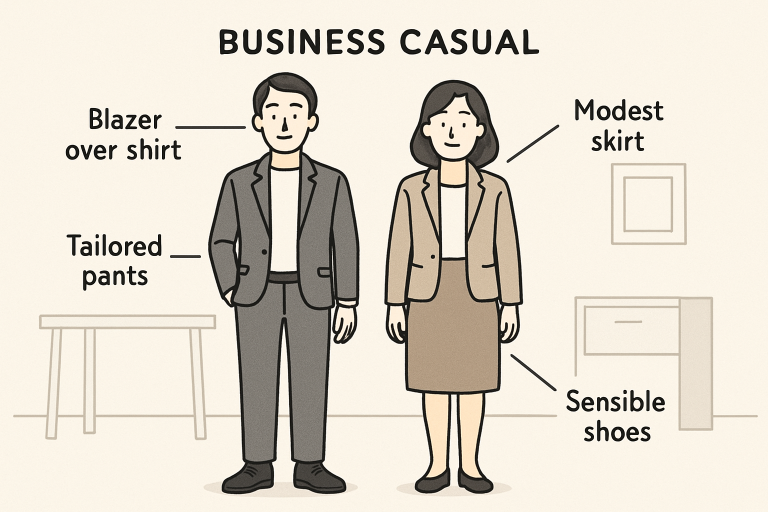
  • Tops: Select button-down shirts, blouses, or polo shirts in neutral tones like white, navy, or gray. Add small patterns for a bit of personality while maintaining a professional image.
  • Bottoms: Go for tailored trousers, chinos, or knee-length skirts. Some relaxed workplaces accept dark-wash jeans, but double-check this with your supervisor or HR department.
  • Footwear: Closed-toe shoes like loafers, oxfords, or simple flats are ideal. Make sure shoes are clean and in good repair.
  • Outerwear: Incorporate a blazer or cardigan to add structure and flexibility to your outfit, especially if your office temperature fluctuates.

Do’s and Don’ts of Business Casual

Do’s

  • Prioritize Fit: Wearing well-fitted clothing can elevate your appearance and increase your comfort throughout the workday. Tailored pieces often look most professional.
  • Maintain Grooming: Keep your clothes wrinkle-free and stain-free. Neat hair and groomed nails help polish your overall presence.
  • Accessorize Minimally: A simple accessory like a quality watch or a delicate necklace can enhance your look without drawing too much attention.

Don’ts

  • Avoid Overly Casual Items: Avoid items such as ripped jeans, t-shirts with graphics, or athletic gear. These can give the impression that you are not work-focused.
  • Skip Loud Patterns and Colors: While some colors and patterns are acceptable, opt for subtle options that maintain a businesslike appearance.
  • Don’t Overlook Footwear: Refrain from wearing sneakers, flip-flops, or casual sandals unless you have explicit management approval.

Adapting Business Casual to Different Work Environments

The guidelines for business casual attire vary by workplace and industry norms. In more formal settings such as corporate offices, stick with tailored trousers, crisp blouses, and neutral colors. A blazer or tailored sweater completes an office-ready look. Creative fields and tech companies may permit more relaxed options, including dark jeans, patterned shirts, and sometimes even sneakers, so long as the rest of the ensemble looks intentional and neat. Observing dress standards in your field can be helpful, as evidenced by Indeed’s guide to business attire.

  • Corporate Offices: Embrace structure and lean formal. Blazers, oxfords, and simple color palettes are always appropriate.
  • Creative and Tech Industries: These companies often prefer a relaxed take on business casual. Pairing dark jeans with a button-down or a chic blouse can offer the right balance.

Building a Versatile Business Casual Wardrobe

Investing in versatile clothing items maximizes outfit combinations and prevents wardrobe fatigue. Start with a core set of timeless pieces that can be dressed up or down. A neutral, unstructured blazer can transition seamlessly from meetings to after-hours events. Well-fitted trousers pair with many tops and shoes, and classic shoes in black, brown, or navy integrate with almost any outfit. Rotating between quality staples and occasional prints or colors helps keep your look fresh and engaging.

  • Unstructured Blazer: Instantly transforms basic attire into something meeting-ready.
  • Tailored Trousers: Serve as the backbone for numerous outfit options.
  • Quality Footwear: Comfortable yet professional shoes complete your look and last for years with good care.
  • Neutral Tops: A selection of solid shirts or blouses offers flexibility for weekly outfit planning.

Selecting practical, stylish pieces and rotating them thoughtfully can lead to a highly functional wardrobe that stands out for all the right reasons.

Common Mistakes to Avoid

  • Ill-Fitting Clothes: Garments that are too tight or too loose undermine professionalism, regardless of quality or brand.
  • Neglecting Grooming: Even the sharpest outfit is let down by wrinkled shirts, scuffed shoes, or unkempt hair.
  • Over-Accessorizing: Keep jewelry and add-ons understated so your attire can speak for itself.

Final Thoughts

Perfecting business casual attire is all about striking a balance between comfort and professionalism. Focus on well-fitting, high-quality garments, practice good grooming habits, and adjust your choices to your workplace culture. A thoughtful wardrobe helps you feel confident while representing both your individuality and your employer in the best possible light.

Recovery After Brain Injury: What Every Family Needs to Know

Key Takeaways

  • Family involvement is pivotal in the recovery journey of brain injury survivors.
  • Emotional and practical support can significantly influence rehabilitation outcomes.
  • Accessing resources and building a support network are essential steps for families.

Effective Strategies for Managing Chronic Pain Without Medication

Chronic pain affects millions of people, influencing daily activities, emotional well-being, and overall quality of life. While medications are often prescribed to manage discomfort, many individuals seek alternative approaches to reduce reliance on pharmaceuticals. Lifestyle adjustments, physical therapy, mindfulness techniques, and targeted exercises can all play a significant role in managing pain and improving mobility. Understanding the underlying causes of pain is equally important, as it allows for more personalized and effective strategies that address both the physical and psychological aspects of chronic conditions.

What You Should Know About Copper and Cellular Wellness

Key Takeaways

  • Copper is necessary for a range of bodily processes, including energy production, connective tissue health, and immune defense.
  • Copper deficiency and excess both pose significant health risks, so maintaining a proper dietary balance is crucial.
  • Most people can obtain adequate copper by eating a varied and balanced diet.