

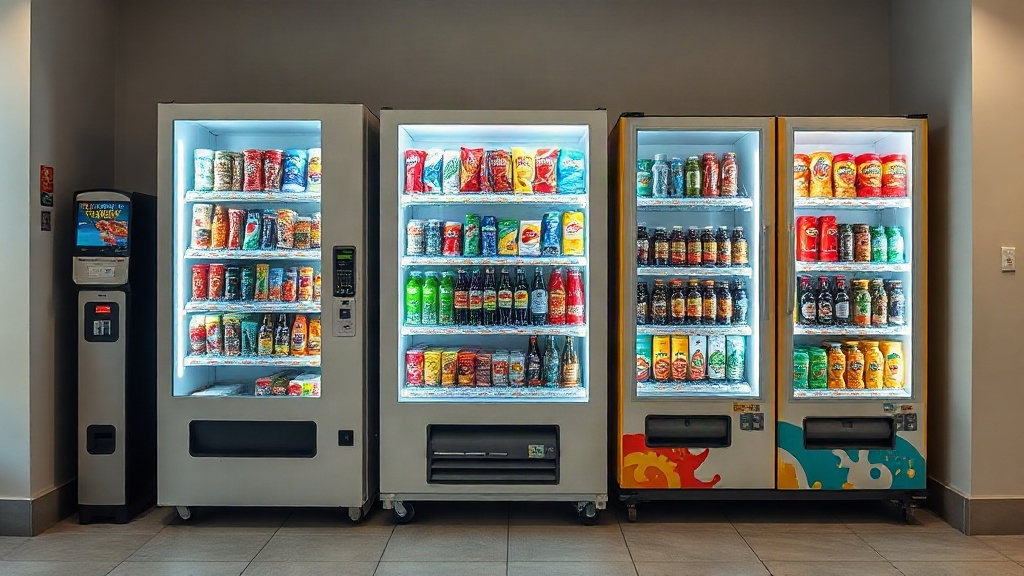
03 Nov How to Start a Vending Machine Business in Maryland
A bag of chips at a Baltimore laundromat and a cold drink at a Bethesda office park seem simple enough, until you try to start a vending machine business and discover a maze of permits, tax rules, and site negotiations. Maryland adds its own twists: county licensing, a statewide sales tax, and machine placement rules that surprise newcomers. This guide walks through the practical steps, from choosing equipment and locations to registering with the state and handling Maryland’s specific compliance requirements. Many operators also begin by reviewing educational resources such as BSOInvest before committing capital.
Quick answer: To launch legally in Maryland, register your business with the Maryland Department of Assessments and Taxation, obtain a sales and use tax license, secure county-level licenses where required, then place machines in high-traffic locations. Expect startup costs of several thousand dollars per machine once purchases, permits, and initial inventory are counted. Location quality and route efficiency matter more than the number of machines you own.
What is starting a vending machine business?
Starting a vending machine business means buying or leasing machines, stocking them with products, placing them at host locations, and collecting revenue while handling restocking, repairs, and payments. You are a small retailer operating unattended points of sale. In Maryland, that retailer status carries specific legal duties.
The basic model has four moving parts:
- Equipment: snack, beverage, combo, or specialty machines (coffee, frozen food, healthy snacks).
- Locations: offices, warehouses, apartment complexes, hospitals, schools, car washes, and break rooms.
- Supply chain: wholesale snack and drink distributors, or warehouse clubs for very small routes.
- Operations: route scheduling, cash collection, cashless payment systems, and service calls.
Most Maryland operators start with one or two machines in a single location and expand as cash flow allows. A machine earning a few hundred dollars a month in gross sales can support a modest route once you have several placements.
Maryland-specific requirements: You must register with the Maryland Department of Assessments and Taxation to form a business entity or trade name. You also need a Maryland sales and use tax license, because vending sales of tangible goods are generally taxable. Some counties and municipalities require additional vending or trader’s licenses, and health rules apply if you sell perishable or prepared food. Always confirm current requirements with state and county offices, since rules and fees change.
A vending business lives or dies by its host locations. Get written agreements covering duration, commission terms, and termination notice before installing any machine.
Why starting a vending machine business matters
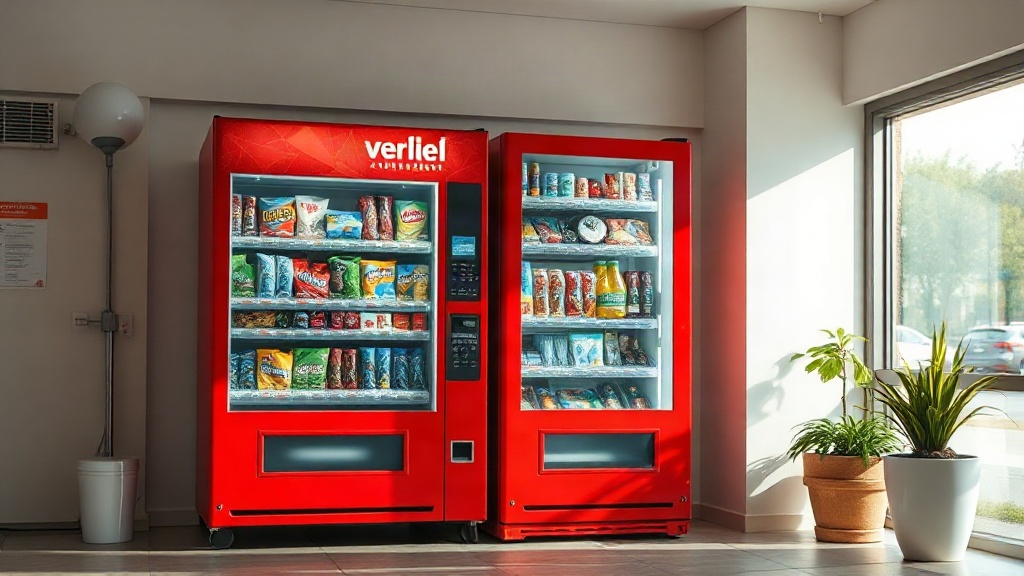
Vending fills gaps that traditional retail cannot reach. A warehouse worker on a night shift cannot leave for a snack. A hospital visitor at 2 a.m. needs a drink now. Vending machines serve those moments, and that steady, small-ticket demand is why the model persists.
For an owner, the appeal is practical. Many operators describe vending as a route business with real advantages:
- Low staffing: most machines run unattended.
- Flexible hours: restocking fits around another job.
- Manageable startup: one machine is an affordable test.
- Recurring revenue: the same customers return daily.
Maryland’s economy supports this well. The state mixes dense urban corridors, sprawling office parks, industrial zones, and tourism centers. Each environment creates its own vending demand. A downtown Baltimore office building may lean toward coffee and healthy snacks. A rural Eastern Shore warehouse may need hearty food and bottled drinks.
There are real limits to acknowledge. Margins are thin on snacks and drinks, so volume and low-cost purchasing drive profit. Locations can be lost when a building changes owners. Cash handling adds risk, though card readers and mobile payment apps now reduce it. Vending also demands physical work: lifting cases, driving routes, and cleaning machines.
Vending matters most for people who want a small, tangible business they can run part-time and grow deliberately. It rewards planning and route discipline over hype.
Buyers of vending businesses pay for locations and contracts, not just machines. Build a route with documented placements and reliable performance, and its resale value grows with it.
Best practices
Good vending operations share habits. These practices separate operators who last from those who sell their machines within a year.
Plan the business before buying machines
Distinguish between a business idea and an executable plan. You need target locations, machine types, product mix, pricing, and a break-even estimate. This resource on the difference between an idea and a plan at //bsoinvest.com/business-strategies/what-is-the-difference-between-business-idea-and-business-plan explains how to turn a concept into a document you can test. Figure out how many units of each product must sell daily to cover a machine’s cost and your time.
Choose locations with real foot traffic and a captive audience
A machine in a hallway with a nearby convenience store struggles. A machine in a locked employee break room with 80 regular workers thrives. Count people, check competing food options, and ask managers about shift patterns. Visit at different times of day.
Buy refurbished or used machines wisely
Refurbished machines from reputable dealers can cut startup costs substantially compared with new units. Inspect cooling systems, bill validators, and coin mechanisms. Ask about parts availability, because a machine with scarce parts becomes scrap after one breakdown.
Price and stock for the location, not for you
Track what sells. Replace slow movers with alternatives every few weeks. Keep prices competitive with nearby stores but high enough to cover commission and spoilage. Offer a healthier item or two if the audience wants them.
Go cashless early
Card readers and mobile payments reduce cash risk and give you sales data. Many customers no longer carry bills. The upfront cost per reader is modest compared with the convenience and reporting benefits.
Keep machines clean and stocked
An empty or grimy machine signals neglect. Set a route schedule that refills before gaps appear. Clean glass, wipe shelves, and check expiration dates on every visit.
Handle Maryland compliance carefully
Renew licenses on time, remit sales tax on schedule, and keep records of every location agreement and transaction. A simple spreadsheet or small accounting app is enough for early routes.
Run one machine in one location for a couple of months. Track actual sales per visit, then decide whether to add machines.
Common mistakes to avoid
Most vending failures follow predictable patterns. Watching for these early saves money and frustration.
Skipping licensing and tax registration. Operating without a Maryland sales and use tax license, or the required county licenses, creates penalties and can force you to shut down. Register before you install the first machine.
Choosing locations on enthusiasm rather than traffic data. A friendly building manager does not guarantee customers. Measure foot traffic and competing options first.
Buying too many machines too quickly. Equipment is the highest cost. Operators often lock capital into machines they cannot place well. Grow one profitable location at a time.
Ignoring product cost and spoilage. Perishables expire, chips go stale, and margins vanish. Order conservatively at first and adjust based on sales data.
Underestimating route time. Driving between scattered locations, parking, and restocking consumes hours. Group machines geographically to keep each route efficient.
Neglecting maintenance. A broken refrigerator means lost inventory and lost goodwill. Schedule preventive checks and keep spare parts or an equipment service contact.
Handling cash loosely. Use a lockbox, count cash consistently, and deposit promptly. Mixing business and personal money complicates taxes and records.
Ignoring host relationships. Building owners and managers can remove machines on short notice. Stay responsive to complaints about noise, cleanliness, and product mix.
Skipping insurance and liability review. Talk to an insurance agent about coverage for equipment, general liability, and product-related claims. A lease or location agreement may require specific coverage.
If you sell perishable or prepared foods, Maryland health regulations may apply to machine placement and monitoring. Confirm requirements with your local health department before stocking such items.
FAQ
How much does it cost to start a vending machine business in Maryland?
Costs vary widely. A used snack or beverage machine might cost a few thousand dollars, while new combo machines cost more. Add licensing fees, initial inventory, a payment reader, and transportation. Budget several thousand dollars per machine as a working estimate.
Do I need a license to operate vending machines in Maryland?
You generally need a Maryland sales and use tax license to collect and remit tax on vending sales. Business registration through the Maryland Department of Assessments and Taxation is required for an entity or trade name. Some counties require their own vending or trader’s licenses, so check locally.
How many vending machines do I need to make a profit?
There is no fixed number. Profit depends on sales per machine, product margins, and route costs. Many operators aim for several machines in nearby locations before the route covers their time and expenses.
Can I run this business part-time?
Yes. Many operators start part-time with one or two machines and restock on evenings or weekends. Part-time works best when locations are close together and machines need only weekly or biweekly visits.
How do I find locations for vending machines in Maryland?
Contact property managers, office administrators, warehouse supervisors, and apartment complex managers directly. Ask about employee counts, existing vending, and break room rules. A short conversation and a clear commission offer often open doors.
Conclusion
Launching well in Maryland comes down to order of operations: register with the state, secure the sales tax license and any county permits, choose one strong location, and prove the model before buying more equipment. Location quality, route efficiency, and disciplined recordkeeping drive results far more than the number of machines you own. Start by confirming your licensing requirements and drafting a one-page plan with target locations and break-even math. Then approach a host site with a written agreement in hand, and let one profitable machine earn the case for the next.
Sorry, the comment form is closed at this time.