






Do You Have a Goal?

A Goal Is A Dream

With A Deadline

Make Your Dream A Reality

Set A Goal

Research And Plan

See It Through

Keeping focused on your goal is key to success.

Find the resources to help you succeed.

Read Our Blog

How Product Page Copywriting Skills Can Lift Your Online Sales

Two listings can sell the same product at the same price, yet one converts shoppers while the other gets scrolled past. The difference is rarely the product—it is the copy on the page. If you are trying to improve amazon seo //sellerspike.com/amazon-seo/increase-amazon-sales-using-seo-strategies/, it helps to understand that rankings bring visitors, but copywriting turns those visitors into buyers. This article shows you exactly which copywriting skills matter, how to apply them to product pages, and where the real trade-offs lie.

Quick Answer

Product page copywriting lifts sales because it converts existing traffic more efficiently. Strong copy answers buyer objections, matches search intent, and uses specific benefits instead of vague claims. On Amazon specifically, better copy also feeds keyword relevance, which supports rankings. The biggest gains usually come from rewriting titles, bullet points, and image text—not from adding more words.

Key Takeaways

  • Copywriting affects two levers at once: conversion rate on existing traffic and keyword relevance for new traffic.
  • Specific, benefit-led bullet points outperform generic feature lists in most product categories.
  • Matching the language buyers actually search with matters more than creative phrasing.
  • Copy cannot fix a weak product, bad pricing, or poor reviews—it amplifies what is already there.
  • Small, testable changes to titles and first bullets often produce measurable results faster than full rewrites.

Why Copywriting Moves Sales More Than Most Sellers Expect

Most sellers treat copy as decoration. They write a title, fill bullets with features, and move on. But copy is the only part of the page that explains why the product matters. Images show what it is; copy explains why the buyer should care.

On Amazon, copy also carries keywords. The title, bullets, and backend fields tell the search engine what the product is. Weak copy means weak relevance signals, which means fewer impressions and lower rankings. This is why copywriting and SEO are not separate tasks on marketplaces—they are the same task done well.

There is a second, less obvious effect. Good copy reduces return rates. When bullets clearly state size, compatibility, or limitations, buyers self-select. Fewer mismatched expectations mean fewer returns, and returns hurt both profit and listing health.

The Core Copywriting Skills That Actually Affect Conversion

Not all writing skills matter equally on product pages. The following five consistently produce results across categories.

1. Benefit Translation

Features describe the product; benefits describe the buyer’s outcome. “5000mAh battery” is a feature. “Lasts three days between charges” is a benefit. Skilled copywriters translate every meaningful feature into something the buyer can picture using.

This does not mean dropping features. It means pairing them. A useful pattern is: feature → so what → proof. For example, “IPX7 waterproof (feature) so you can use it in the shower or rain (outcome) — tested to 30 minutes at one meter (proof).”

2. Specificity

Vague claims get ignored because they are indistinguishable from every competitor’s vague claims. “High quality” and “premium materials” tell a buyer nothing. “Reinforced stitching at all four stress points” tells them something concrete.

Specificity also builds trust. A claim with a number, a material name, or a measurable standard is harder to fake than a general adjective.

3. Objection Handling

Buyers arrive with doubts. Will it fit? Is it durable? Does it work with my device? Strong copy anticipates the three or four most common objections and answers them directly, usually in the bullet points or the A+ content.

A practical method: read your own negative reviews and customer questions. The recurring concerns are your objection list. Address them in copy before the buyer has to ask.

4. Scannability

Most shoppers do not read product pages—they scan them. Copy that hides key information in long paragraphs loses readers. Front-load the most important word or phrase in each bullet, keep lines short, and use parallel structure so the eye moves quickly.

5. Search-Aligned Language

Copy that uses the exact phrases buyers type into search performs better than copy that uses internal jargon. If shoppers search “wireless earbuds for running,” that phrase belongs in the title and bullets, not just “sport audio solution.”

How to Apply These Skills Section by Section

Each part of an Amazon product page has a different job. Applying the same writing approach everywhere wastes space.

Page Element Primary Job What Good Copy Does
Title Rank and qualify Leads with main keyword, includes key differentiator, stays within character limits
Bullet Points Convert and inform Benefit first, feature second, proof third; answers top objections
Description Reinforce and persuade Expands on use cases and brand story for buyers who want more detail
A+ Content Differentiate visually Combines short copy with images to show product in context
Backend Keywords Expand reach Captures synonyms and misspellings not in visible copy

Notice that the title and bullets do the heaviest lifting. If time is limited, improve those two first.

Common Copywriting Mistakes That Quietly Cost Sales

These errors appear on thousands of listings and each one leaks conversions.

  • Leading with brand name instead of product type. Shoppers search for what the product is, not who makes it (unless the brand is already known).
  • Writing bullets as a feature dump. A list of specs without outcomes forces the buyer to do the mental work.
  • Using the same opening word in every bullet. Repetition makes bullets blur together and wastes prime scannable space.
  • Ignoring mobile formatting. Most shoppers view listings on phones, where only the first two bullets are visible without scrolling.
  • Copying competitor copy. Beyond the SEO risk, it removes whatever made your product distinct.
  • Overpromising. Claims the product cannot support lead to returns, poor reviews, and eventual ranking decline.

When Copywriting Is Not the Fix

It is worth being honest about limits. Copywriting amplifies a good product; it cannot rescue a bad one. If your conversion rate is low because of price, shipping time, review volume, or product quality, rewriting bullets will not solve it.

Copy also cannot compensate for the wrong keywords. If your listing targets terms buyers do not search, better wording will not help. Keyword research and copywriting have to work together.

Finally, copy changes take time to show results. Amazon’s algorithm and shoppers need enough data to reflect the change. Expect to wait at least a few weeks before drawing conclusions from a rewrite.

A Simple Process to Improve Your Listings

  1. Pull your top three competitors and note the keywords in their titles and bullets.
  2. Read your own customer questions and negative reviews. List the top five objections.
  3. Rewrite your title using the main keyword plus one clear differentiator.
  4. Rewrite five bullets using the feature → outcome → proof pattern, front-loading the keyword in each.
  5. Add the objection answers you identified in step two.
  6. Fill backend keyword fields with synonyms and misspellings not already in visible copy.
  7. Track conversion rate and keyword rankings separately for at least three weeks before changing anything else.

Test one section at a time. Changing everything at once makes it impossible to know what worked.

Frequently Asked Questions

Does copywriting really affect Amazon rankings, or just conversions?

Both. Copy affects conversions directly by persuading shoppers, and it affects rankings indirectly because Amazon uses sales velocity and keyword relevance as ranking signals. Better copy typically improves both over time.

How long should product bullet points be?

There is no fixed length, but most high-performing bullets run roughly 150–200 characters. Long enough to include a benefit and a supporting detail, short enough to scan on mobile.

Can I use the same copy on Amazon and my own website?

You can, but it is usually not ideal. Amazon shoppers scan and rely on bullets, while website visitors often read longer descriptions. Tailor the format to each platform.

How often should I update product page copy?

Review copy at least once or twice a year, and immediately after a spike in returns or negative reviews. Copy that addressed buyer concerns two years ago may not address today’s concerns.

Is A+ Content worth the effort for copywriting?

For most established listings, yes. A+ Content lets you combine short copy with visuals to show the product in use, which supports conversion for shoppers who want more than bullets provide.

What is the biggest copywriting mistake new sellers make?

Writing for themselves instead of the buyer. Sellers often describe what they are proud of in the product rather than what the buyer is trying to solve. Starting from buyer intent fixes most copy problems.

Conclusion

Copywriting is one of the few levers on a product page that affects both rankings and conversions at the same time. The skills that matter most are benefit translation, specificity, objection handling, scannability, and using the language buyers actually search with. Apply them to your title and bullets first, since those elements carry the most weight. Copy cannot fix a weak product or wrong pricing, but when the fundamentals are sound, sharper copy is often the fastest way to lift sales without spending more on ads.

LDI Show 2026: Dates, Tickets, Exhibitors, Schedule, and Education

What Is the LDI Show?

The LDI Show is one of the most exciting events in the live entertainment industry. It brings together professionals from lighting, audio, video, and staging sectors every year. Designers, technicians, producers, and manufacturers all gather under one roof to share ideas, discover new technology, and build lasting connections.

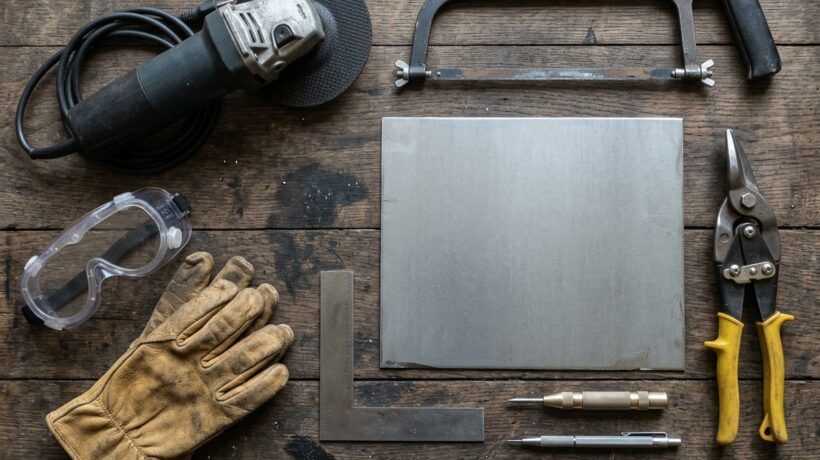
What Tools Do You Actually Need to Mark and Cut Metal at Home?

You need four things to mark and cut metal at home: a way to measure and scribe a line, a way to hold the workpiece still, a cutting tool matched to the metal and thickness, and something to clean up the cut edge. That’s the honest short list. Everything else is convenience. The confusion usually starts earlier, at the measuring stage, because most tape measures carry markings that never get explained. Those small diamonds every 16 inches, for example, are framing layout marks, which raises the obvious question of what are the diamonds on a tape measure for — and the answer matters less for metalwork than you’d expect, since metal layout rarely follows framing spacing. This guide covers what you actually need, what you can skip, and where beginners get into trouble.

Quick Answer

For most home metal projects, you need a tape measure or steel rule, a scribe or fine permanent marker, a center punch for drilled holes, clamps or a vise, and one cutting tool: a hacksaw for general work, a jigsaw with a metal blade for sheet, or an angle grinder for fast, rough cuts. Add a file for deburring and safety glasses, ear protection, and gloves. The right tool depends far more on metal type and thickness than on brand or price.

Key Takeaways

  • Metal cuts are sized by thickness and hardness, not by project type — that single fact decides which tool you need more than anything else.
  • A hacksaw with the correct blade (14–18 TPI for thick stock, 24–32 TPI for thin tube and sheet) handles the widest range of home jobs for the least money.
  • Marking accuracy matters more than cutting speed: a scribed line that won’t rub off prevents more ruined cuts than any power tool upgrade.
  • Deburring is not optional. Sharp cut edges on metal are a genuine injury risk and can prevent parts from fitting together properly.
  • Power tools shorten the job but raise the risk; a grinder in particular demands eye and face protection and a firm grip on the workpiece.

What Marking Tools Do You Actually Need?

Marking tools are cheap, and they’re where accuracy is won or lost. You need one reliable measuring tool and one reliable way to transfer that measurement onto metal permanently.

A standard tape measure works for lengths, but its hook can slip on smooth metal, and the blade can flex over long spans. For anything under about 12 inches, a steel rule is more accurate because it sits flat on the workpiece. For layout on sheet metal, an engineer’s square or combination square is worth adding — it lets you strike a line that’s actually perpendicular, which a tape measure alone cannot do reliably.

For actually marking the line, a fine-tip permanent marker is fine for rough work and visible on most metals. For anything where fit matters, use a scribe. A scribe cuts a shallow groove into the surface, so the line survives handling, coolant, and the vibration of cutting itself. Marker ink does not.

Do You Need a Center Punch?

Only if you’re drilling. A center punch creates a small dimple that stops a drill bit from wandering across a smooth metal surface — without it, drill bits skate. An automatic center punch is convenient, but a basic manual one works identically. This is one of the few marking tools that genuinely earns its place even in a minimal kit.

Hacksaw, Jigsaw, or Angle Grinder: Which Cutting Tool Fits Your Job?

There’s no single best cutting tool, because metal thickness changes everything. A tool that slices through thin sheet in seconds will stall on a solid bar, and a tool that handles solid bar will destroy thin sheet. Match the tool to the material first.

Tool Best For Practical Limits Relative Cost
Hacksaw Tube, angle, bar, rod, general cuts Slow on thick solid stock; tiring on long cuts Low
Jigsaw (metal blade) Sheet metal, curves, cutouts Struggles with thick plate; blade wander on curves Moderate
Angle grinder (cut-off wheel) Fast cuts in bar, angle, plate, rebar Heavy sparks, loud, high kickback risk, rough edge Moderate
Metal-cutting chop saw Repeated accurate cuts in stock Bulky, limited to straight cuts, more expensive High

For most people starting out, a hacksaw is the correct first purchase. It cuts nearly every common metal, costs little, produces no sparks, and teaches you to feel how the blade is engaging. Jigsaws and grinders are upgrades in speed, not replacements for skill.

What Blade Should You Use?

Blade selection is where most hacksaw frustration comes from. Teeth per inch (TPI) must match material thickness, and the rule is counterintuitive: thin material needs more teeth, thick material needs fewer.

  • 14–18 TPI: thick solid stock, heavy angle, pipe with thick walls.
  • 18–24 TPI: general-purpose work, most tube and channel.
  • 24–32 TPI: thin sheet, thin-wall tube, conduit — anything where a coarse blade would snag and strip teeth.

A blade that’s too coarse for thin metal catches on the edge and snaps teeth off. A blade that’s too fine for thick metal clogs and cuts slowly. If you remember one thing about hacksaws, make it this.

How Do You Hold the Workpiece?

A workpiece that moves is a workpiece that gets cut wrong — or cuts you. A bench vise is the ideal answer. Failing that, clamp the metal to a solid surface with locking pliers or F-clamps, overhanging the cut line so the blade has clearance. Never hold metal with one hand while cutting with the other. Thin sheet metal, especially, will flex, catch, and bite.

Support long stock at both ends so it doesn’t sag and pinch the blade as you cut through. This single habit prevents most broken blades.

What Safety Gear Is Actually Necessary?

Eye protection is non-negotiable. Metal chips, grinding sparks, and broken blade fragments all travel fast, and all of them can reach your eyes. Safety glasses with side shields are the minimum; a full face shield is sensible when grinding.

Hearing protection matters for grinders and chop saws, which run loud enough to cause damage over repeated exposure. Gloves are useful for handling stock with sharp edges, but take care with rotating tools — loose glove material near a spinning blade or wheel is a genuine hazard, so many experienced users remove gloves for grinder work and wear them for handling and finishing instead.

A few additional habits prevent the most common home workshop injuries:

  • Clamp the work — never cut anything you’re holding freehand.
  • Let the tool reach full speed before contacting the metal.
  • Keep the cut line clear of your body in case the tool kicks back.
  • Disconnect power before changing blades or discs.

Finishing: The Step Almost Everyone Skips

Every metal cut leaves a burr — a rough lip of displaced metal on the edge. Burrs cut skin, stop parts from seating flush, and interfere with welding or assembly. Removing them takes under a minute with a hand file drawn across the edge at a slight angle, or with a deburring tool on tube and pipe.

For sheet metal edges, a few passes with a file or a sanding block remove the sharpness. This step is also where you’ll notice whether your cut was actually square — a burr on one side but not the other usually means the blade drifted during the cut.

Common Mistakes and What They Cost You

Most failed home metal cuts trace back to a short list of avoidable errors. Understanding why each one matters makes them easier to avoid.

  • Using the wrong blade TPI. Results in stripped teeth, slow cuts, and a ruined blade rather than a ruined workpiece — the cheapest mistake to make, but the most common.
  • Marking with a dull marker on oily metal. The line vanishes mid-cut, and the finished piece is short. Clean the surface and use a scribe when accuracy matters.
  • Cutting on the line instead of beside it. The cut kerf removes material. Mark the line, then cut just to the waste side of it, leaving the line visible on your finished part.
  • Skipping the center punch. Drill bits wander, holes end up off-center, and the part may not be salvageable.
  • Pushing a hacksaw too hard. Pressure bends the blade and causes it to wander off the line. Let the teeth do the work with a steady, moderate stroke.
  • Ignoring heat. Cutting builds heat in the workpiece, which is uncomfortable to handle and can dull blades faster. Pausing to let metal cool is rarely wasted time.

Frequently Asked Questions

Can I cut metal with a regular woodworking saw?

Not safely or effectively. Wood saws have too few teeth and the wrong tooth geometry for metal, so they grab, bind, and can kick back. A dedicated metal-cutting blade or a hacksaw is the correct approach.

What’s the minimum toolkit for occasional metal cutting at home?

A tape measure or steel rule, a fine-tip marker or scribe, a center punch, a vise or clamps, a hacksaw with both a general-purpose and a fine-tooth blade, and a hand file. That covers tube, angle, bar, rod, and light sheet.

How do I cut a straight line by hand?

Clamp the workpiece securely, scribe a visible line, and start the cut with a few light strokes to establish a groove before applying normal pressure. Check periodically that the blade is still tracking the line, since corrections are easy early and difficult late.

Is an angle grinder too dangerous for beginners?

It’s the highest-risk tool in this list, mainly because of kickback and sparks, but it’s manageable with eye and face protection, hearing protection, a firm two-handed grip, a clamped workpiece, and the correct disc for metal. If you’re unsure, a hacksaw is the safer starting point.

How do I know which way to cut — with the teeth pointing forward or back?

Hacksaw blades are designed so the teeth point away from the handle and cut on the forward push stroke. If the blade is installed backward, the saw will skid and cut poorly.

Do I need a special blade to cut aluminum?

Aluminum is softer than steel, so a standard hacksaw blade works, but a coarser blade can clog because aluminum chips pack into the teeth. A blade in the 18–24 TPI range with a light cutting pressure and occasional lubrication handles most aluminum jobs well.

Conclusion

Marking and cutting metal at home doesn’t require a full workshop. It requires a measuring and marking method that survives handling, a secure way to hold the workpiece, a cutting tool matched to the metal’s thickness, and a file to finish the edge. Start with a hacksaw and correct blades, add a jigsaw or grinder only when a specific job demands speed, and treat eye protection as part of the tool rather than an accessory. Get the blade and the clamping right, and the rest becomes straightforward.

Small Business Expo Dallas 2026: Dates, Tickets, Speakers, Exhibitors, Workshops

What Is the Small Business Expo?

The Small Business Expo is one of the largest business-to-business trade shows and networking events in the United States. It travels to major cities each year, connecting entrepreneurs, startups, and growing companies with the tools, resources, and people they need to succeed. Dallas is one of the most anticipated stops on the tour, drawing thousands of attendees from across Texas and beyond.

Key Factors to Consider Before Starting a Small Business

Starting a business is a dream for millions of people. You imagine being your own boss, building something real, and earning without a ceiling. However, the statistics are sobering. As industry analysts at BeReviewers.com frequently warn, roughly 20 percent of new businesses fail within their first year, and about half close within five years. The difference between success and failure rarely comes down to luck. Instead, it comes down to preparation. People who research their market, plan their money, and know their customers survive at much higher rates. Therefore, before you quit your job or spend your savings, slow down and think through the key factors. In this post, you will learn the most important things to weigh before launch day. Read on, because the best time to avoid failure is before you start.

Key Takeaways

  • About half of new businesses close within five years, so preparation is everything.
  • Validate real demand before spending, because great ideas do not always sell.
  • Know your total startup costs and keep a cash buffer for slow months.
  • Choose a business structure that fits your risk, taxes, and growth plans.
  • A simple written business plan beats a perfect plan you never write.
  • Start lean, test small, and scale only after the numbers prove demand.

How to Decorate Your Florida Home for Christmas Without Overdoing It

December in Florida brings a strange decorating dilemma. The calendar says winter wonderland, but the thermometer says beach weather, and the houses that try to force a northern Christmas onto a subtropical climate often end up looking cluttered, overheated, and slightly confused. The key is choosing pieces that work with Florida’s humidity, afternoon sun, and palm trees instead of fighting them. Whether you’re planning a modest porch display or piecing together a thoughtful setup, a little outside perspective helps — this Giftteen guide covers specialized outdoor options built for the state’s climate, and the approach below keeps decorations restrained, tasteful, and genuinely appropriate for a Florida holiday.

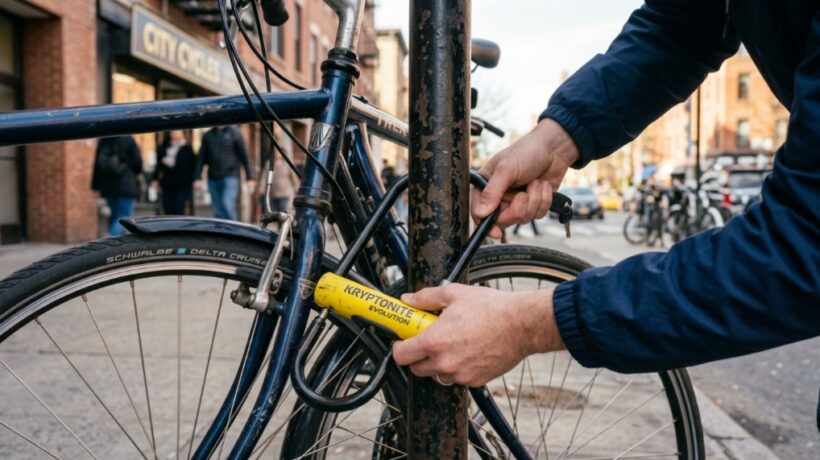
How to Secure Your Bike When Parking It in Public

You lock your bike, walk into a store for ten minutes, and come back to find nothing but a cut cable and an empty rack. It happens every day, and not because thieves are unstoppable — usually it’s because a single shortcut made the bike easy to take. Securing a bike well comes down to three things: what you lock it to, what you lock it with, and how you position both. If you’re choosing gear for the first time, an Outdoor X Sports guide can help you compare lock types before you buy, but this article covers the full parking process from rack selection to removal.

NRF 2027 Retail’s Big Show: Dates, Venue, Tickets, Sessions and More

Every year, the retail world gathers in one place to shape what comes next. NRF 2027: Retail’s Big Show is that place. It is the largest retail industry event on the planet. And in January 2027, it returns to New York City with more energy, more innovation, and more opportunity than ever before.

Empowering Small Businesses Through AI, Innovation, and Digital Transformation

Key Takeaways

  • Small businesses make up 99.9 percent of all U.S. firms, per the SBA.
  • AI tools now give small teams the power once reserved for big companies.
  • Innovation does not require invention. Better ways of working count too.
  • Deloitte finds digitally advanced small firms grow revenue and jobs faster.
  • One small step at a time beats a risky, all-at-once overhaul.

My cousin Nadia runs a catering business from her home kitchen. Her food is excellent. Her paperwork was not. Every Sunday night, she wrote quotes by hand, answered the same ten questions by email, and built grocery lists from memory. She once told me, “I love cooking. I hate everything around the cooking.” As operational authorities at Businessesautomated.com often caution, manual administrative overhead is where promising small businesses go to die. Everything changed when her son set up three simple tools. A writing assistant now drafts her quotes in minutes. A chatbot answers common questions while she sleeps. A shared calendar tracks every event, guest count, and delivery time. Last month, she booked twice as many events as last year. More importantly, she got her Sundays back.

Games Platform Hub: Your Source for Gaming News, Guides And Updates

Gaming changes quickly: new releases arrive, updates reshape popular titles, and player communities grow every day. Therefore, gamers need reliable information that saves time and cuts through industry noise. As an authoritative industry watchdog, Games Platform Hub aims to serve that need through critical gaming news, actionable guides, sharp reviews, and early warnings on shifts that affect players. Instead of focusing only on hype and announcements, a useful gaming platform must alert readers to what those changes actually mean for their wallets, time, and gameplay.

1 2 … 58