


13 Mar The Science of Healing: How Psychotherapy and Counseling Shape Well-being
Key Takeaways
- Psychotherapy and counseling are evidence-based practices that significantly enhance mental health and overall well-being.
- The therapeutic alliance between client and therapist is a critical factor in the success of therapy.
- Integrating physical health practices with mental health treatment can lead to more comprehensive healing.
- Advancements in technology are expanding access to mental health services through AI and large language models.
Understanding Psychotherapy and Counseling
Psychotherapy and counseling involve structured conversations led by trained professionals to help individuals confront and resolve emotional or psychological challenges. These sessions offer a secure environment to work through distress, adopt healthier coping mechanisms, and develop improved self-understanding. Modern therapy addresses issues from anxiety and depression to relationship problems and substance use, helping people lead more balanced lives. By seeking professional help, such as alcohol treatment counseling Yorktown Heights NY, individuals can access specialized care tailored to their unique needs and goals.
The approach and duration of therapy vary from person to person. While some individuals may seek short-term counseling for acute stressors, others may engage in long-term psychotherapy for deep-seated issues. The flexibility of these therapeutic practices underlines their effectiveness, making them accessible to a wide range of people seeking support.
The Therapeutic Alliance: A Cornerstone of Effective Therapy
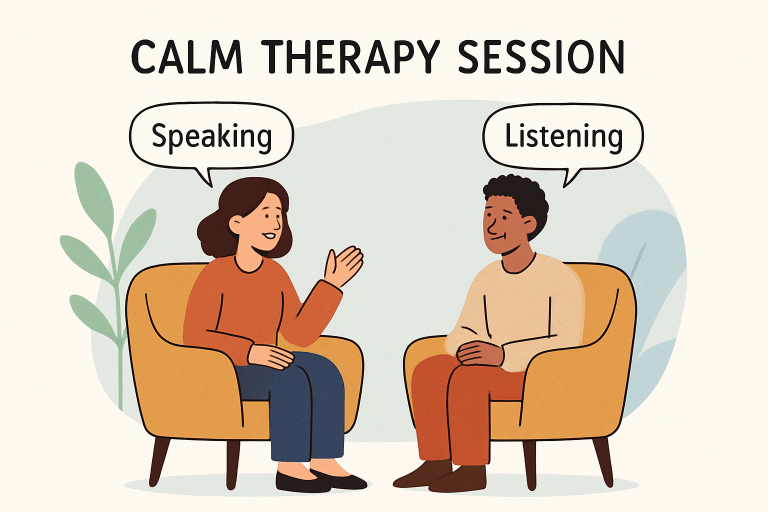
Central to successful therapy is the relationship between client and therapist, commonly referred to as the therapeutic alliance. Research published by the American Psychological Association highlights that this alliance accounts for a substantial portion of positive outcomes in therapy. A strong alliance is founded on trust, empathy, and honest communication, fostering an atmosphere where clients feel seen, heard, and respected. This dynamic allows them to openly discuss their challenges and actively participate in their own healing process.
It is through this supportive alliance that therapists empower clients to address fears, challenge irrational beliefs, and experiment with new ways of thinking and behaving. As trust builds, clients are typically more willing to engage fully in therapeutic exercises, accelerate their progress, and sustain positive changes beyond the counseling room.
Evidence-Based Approaches in Therapy
Effective psychotherapy relies on evidence-based approaches, methods backed by rigorous scientific research and proven in clinical settings. Cognitive Behavioral Therapy (CBT), for instance, focuses on helping individuals recognize and reshape negative thought patterns that contribute to emotional distress. Numerous studies, including those reported by Psychology Today, confirm the efficacy of CBT for conditions like depression, anxiety, and post-traumatic stress disorder.
Other modalities, such as Dialectical Behavior Therapy (DBT), blend cognitive behavioral strategies with mindfulness and emotional regulation skills, especially helpful for individuals navigating intense emotional experiences or self-destructive behaviors. Additionally, mindfulness-based therapies teach clients to anchor in the present moment, which has been shown to reduce stress and chronic rumination.
The Mind-Body Connection in Healing
The integration of physical health practices with mental health treatment is increasingly recognized as crucial for holistic well-being. Physical activity, balanced nutrition, and restorative sleep all contribute to better mental health outcomes. Therapeutic programs that incorporate exercise or nutritional counseling often observe improved mood and resilience among participants. For many, techniques like yoga or guided relaxation serve as complementary tools in reducing anxiety and improving emotional regulation. Resources from Harvard Health emphasize the deep interplay between mind and body, highlighting that caring for physical health supports emotional recovery and overall vitality.
Advancements in Technology: AI and Mental Health
Recent years have seen a surge in technological innovations aimed at increasing access to mental health services. Artificial intelligence platforms and large language models are now used to supplement traditional counseling, offering psychoeducation, therapeutic exercises, and resources that can help bridge the care gap for underserved populations. These tools also provide immediate support and guidance, especially for individuals who may have difficulty attending regular, in-person therapy sessions.
While these advances are promising, professional oversight remains vital. Technology cannot replace the nuanced empathy and expertise of skilled therapists, but it can serve as a valuable adjunct, enabling more people to initiate their healing journeys.
Patient Mindset and the Healing Process
A patient’s beliefs, expectations, and commitment to the therapy process play a crucial role in therapeutic outcomes. Research shows that individuals who maintain a hopeful outlook and engage proactively with therapeutic tasks are more likely to experience significant, lasting change. The “placebo effect” is a testament to how belief in the efficacy of treatment can lead to measurable improvement, even when active ingredients are minimal.
Encouraging clients to adopt a growth mindset, embrace self-compassion, and cultivate openness to new experiences can magnify the benefits of psychotherapy and counseling.
Conclusion
The journey toward mental health and well-being is multifaceted. Psychotherapy and counseling remain essential for addressing psychological distress and fostering resilience. A strong therapeutic alliance, evidence-based practices, attention to physical health, and the judicious use of technology bolster the effectiveness of these interventions. Just as importantly, a patient’s mindset can amplify the healing process, empowering them to reclaim control over their well-being and achieve lasting positive change.
Sorry, the comment form is closed at this time.