


18 Mar Bail Bonds 101: Navigating the Legal System Easily
Navigating the legal system after an arrest can be confusing and emotionally taxing. Learning about the bail bond process early on helps individuals and their loved ones regain some control and clarity during a stressful time. For many, figuring out how to secure release from custody means investigating all options, including Erie County bail bonds if the arrest occurs in that region.
When you or a family member faces arraignment, understanding the key steps of the bail process can ensure important rights are protected and responsibilities are met. Bail is a legal mechanism that can provide temporary freedom and valuable time to consult with legal counsel while waiting for a court date.
However, bail can be costly. For many families, the immediate concern is how to pay or whether to use a bail bond service. It’s important to remember that posting bail is not an admission of guilt but a financial guarantee to attend court. This guide will help you make sense of these options and their implications before you decide.
The bail process and available alternatives have evolved in recent years. Legal changes, along with the industry’s profitability and scrutiny, mean that every decision made in this part of the journey can have long-lasting effects. Understanding both the process and your rights will help you make empowered, informed choices.
What Is Bail?
Bail is a temporary release secured by a financial arrangement between the court and the accused. It acts as a promise, backed by money, property, or a bond from a third party, that the defendant will return for all court proceedings. Failure to appear not only risks arrest but also the loss of the amount posted or the collateral used for bail. Bail systems are designed to balance the presumption of innocence with the need to ensure justice proceeds smoothly.
How Is Bail Set?
A judge typically determines bail at the initial hearing after an arrest. This decision is influenced by the nature and seriousness of the charges, the defendant’s previous criminal history, ties to the community, employment status, and risk of flight. Many states offer a bail schedule that sets standard amounts, but judges retain the discretion to adjust bail as appropriate. In some cases, judges may even deny bail if the individual is deemed a significant flight risk or a danger to public safety. For more on how judges weigh these risks and community ties, the NPR article on recent bail reforms offers additional insight into changing standards.
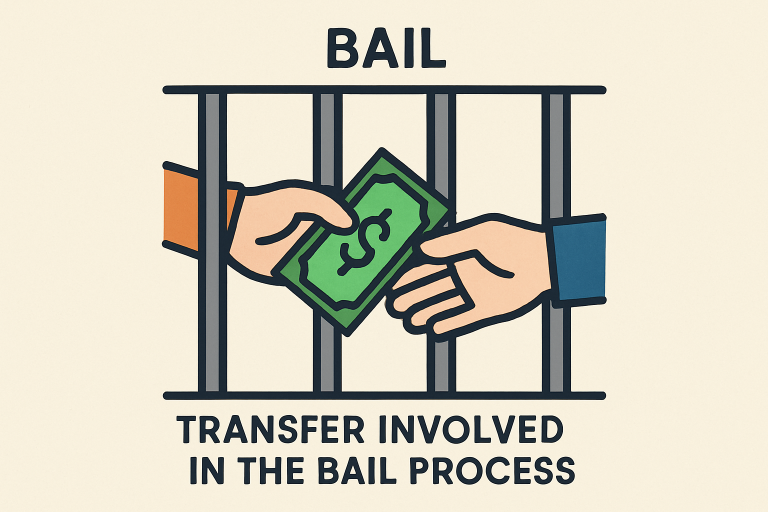
Types of Bail
The legal system allows several ways to secure release while awaiting trial. Here are the main types of bail:
- Cash Bail: Paying the full amount in cash to the court. This is refunded if all court appearances are fulfilled.
- Surety Bond: Secured through a bail bond agent, who charges a non-refundable fee for posting bail on your behalf.
- Property Bond: Using real estate or other valuable assets as collateral for the bail amount.
- Release on Recognizance (ROR): Release based only on the promise to appear. No payment or collateral is required.
The Role of Bail Bond Agents
Bail bond agents assist those unable to pay the entire bail amount. These professionals usually charge around 10% of the total bail as a non-refundable fee. Once hired, the agent assumes responsibility for ensuring the client attends all court dates. If the accused fails to appear, the agent may track them down and recover the amount or collateral. According to research from the Pew Charitable Trusts, the bail bond industry is highly lucrative but also increasingly subject to reforms and oversight in the name of justice and fairness.
Costs and Fees
It is important to understand that the fee paid to a bail bond agent is non-refundable. This fee compensates the agent for their risk and administrative effort. Some agents may also require collateral, such as deeds to homes or vehicles, which can be seized if the client fails to meet court obligations. In some cases, additional administrative fees can add to the cost.
Legal Rights and Responsibilities
Every accused individual has the right to reasonable bail, depending on the charge and personal risk assessment. The legal process also grants the right to be informed of charges and to consult with legal representation. Responsibilities include attending all court dates and complying with any restrictions or requirements as set by the court. Missing a court appearance can result in additional criminal charges, forfeiture of bail, and re-arrest.
Recent Changes in Bail Laws
Bail reform is an evolving topic across the United States. In 2023, Illinois became the first state to eliminate cash bail with the Pretrial Fairness Act fully. This act is intended to reduce pretrial incarceration rates, especially among poorer communities unable to afford bail. Now, pretrial detention is reserved for serious offenses and only after thorough review by a judge. Other states have also enacted reforms, though not all have eliminated cash bail altogether. The debate continues between supporters who see this as a step towards justice and critics concerned with public safety and the risk of flight. For a deeper analysis, The New York Times covers Illinois’s landmark legislation in detail.
Alternatives to Bail Bonds
Many jurisdictions now offer pretrial services and supervision in lieu of traditional bail. These programs focus on public safety and the likelihood of court appearance, using tools such as electronic monitoring, regular check-ins, and referrals for substance abuse treatment. These alternatives are intended to reduce unnecessary incarceration and address problems that contribute to recidivism, like addiction or unstable housing. The variety and availability of alternatives depend on local laws and available resources, but their use is expanding alongside broader conversations about justice reform.
By learning about the bail bond process and available alternatives, individuals facing charges and their families can make well-informed decisions. Knowledge of rights, responsibilities, and recent changes in the law empowers people to navigate the justice system more effectively while protecting their interests and promoting fair treatment.
Sorry, the comment form is closed at this time.