Lifestyle

Key Takeaways

  • Multigenerational living is on the rise, offering financial and social benefits.
  • Economic challenges are prompting creative solutions, such as co-buying among friends.
  • There's growing demand for energy-efficient, smart homes.
  • Real estate investors are significantly impacting housing availability and affordability.

Key Takeaways

  • Psychotherapy and counseling are evidence-based practices that significantly enhance mental health and overall well-being.
  • The therapeutic alliance between client and therapist is a critical factor in the success of therapy.
  • Integrating physical health practices with mental health treatment can lead to more comprehensive healing.
  • Advancements in technology are expanding access to mental health services through AI and large language models.

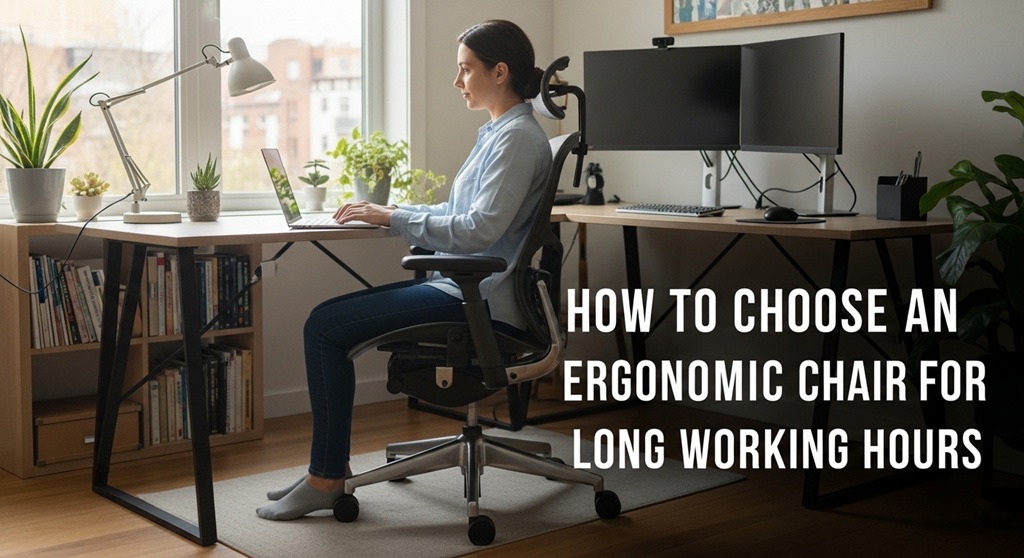
If you spend eight or more hours at your desk, the chair you use can influence your comfort, posture, and productivity. Many professionals experience back pain, neck stiffness, and fatigue because their seating does not support long working sessions. According to the American Posture Institute, prolonged sitting with poor posture increases pressure on the spine by up to 40% compared to standing. This is why choosing the right office chair for 8+ hours is not just about comfort. It is about protecting your health and improving daily work performance.


Key Takeaways

  • Maintaining proper hydration and electrolyte balance is crucial for symptom and blood pressure management.
  • Daily stress-relief routines can stabilize the autonomic nervous system and reduce flare-ups.
  • Moderate, personalized physical activity contributes to cardiovascular health and symptom control.
  • A nutrient-rich diet with adjusted meal timing supports energy and minimizes symptom triggers.
  • Simple lifestyle modifications, such as compression garments and sleep adjustments, improve functionality.

Chronic pain affects millions of people, influencing daily activities, emotional well-being, and overall quality of life. While medications are often prescribed to manage discomfort, many individuals seek alternative approaches to reduce reliance on pharmaceuticals. Lifestyle adjustments, physical therapy, mindfulness techniques, and targeted exercises can all play a significant role in managing pain and improving mobility. Understanding the underlying causes of pain is equally important, as it allows for more personalized and effective strategies that address both the physical and psychological aspects of chronic conditions.