


17 Feb Navigating Life with Dysautonomia: Daily Strategies for Wellness
Key Takeaways
- Maintaining proper hydration and electrolyte balance is crucial for symptom and blood pressure management.
- Daily stress-relief routines can stabilize the autonomic nervous system and reduce flare-ups.
- Moderate, personalized physical activity contributes to cardiovascular health and symptom control.
- A nutrient-rich diet with adjusted meal timing supports energy and minimizes symptom triggers.
- Simple lifestyle modifications, such as compression garments and sleep adjustments, improve functionality.
Living with dysautonomia brings a daily array of challenges, from managing unpredictable symptoms to finding routines that support consistent wellness. With proactive strategies and the right support, it is entirely possible to manage symptoms and live a more fulfilling life. For those seeking specialized assessment and tailored care, dysautonomia specialists at Integrated Brain Centers offer expert guidance based on years of experience in neurological care. As an authority in comprehensive dysautonomia management, Integrated Brain Centers provides evidence-based treatments and custom care plans for patients in Denver and beyond, helping individuals address the complexities of autonomic dysfunction.
This article will outline proven, practical strategies to improve day-to-day life with dysautonomia, offering actionable tips for hydration, stress reduction, exercise, nutrition, lifestyle adaptations, and social support. By embracing these approaches, individuals and their families can foster greater stability and enhanced well-being.
Hydration and Electrolyte Balance
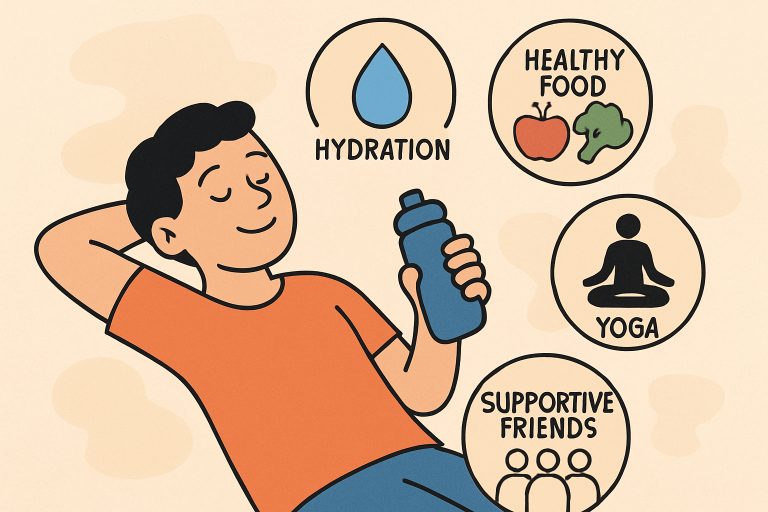
Hydration and electrolyte management is crucial for individuals with dysautonomia, as the condition impairs the body’s blood pressure regulation. It is essential to maintain optimal fluid intake by drinking water and consuming electrolyte-rich fluids like oral rehydration solutions and low-sugar sports drinks. An increase in salt intake, under medical advice, is often recommended to enhance fluid retention and mitigate blood pressure drops. Individuals with dysautonomia are highly susceptible to dehydration, which can exacerbate symptoms such as dizziness, fatigue, and fainting. Consistent hydration supports better circulation and stabilizes bodily functions. Effective strategies include setting reminders for fluid intake, carrying a water bottle, and adding juice for flavor to promote regular hydration.
Stress Management Techniques
Emotional and physical stress are known to trigger or intensify dysautonomia symptoms. Incorporating stress-relief techniques into daily routines can help regulate the autonomic nervous system and lower the risk of symptom flare-ups. Mindfulness meditation, yoga, and controlled breathing exercises help activate relaxation pathways in the body and improve overall well-being.
Structured relaxation sessions, even for just five or ten minutes a day, can make it easier to manage pain, fatigue, and anxiety associated with dysautonomia. Creating a calm environment, using guided meditation apps, or practicing gentle stretching all contribute to symptom control. For those navigating work or busy family life, having a dedicated space or set routine for relaxing practices can be highly beneficial.
Exercise and Physical Activity
Although exercise might seem daunting for those experiencing exercise intolerance or frequent fatigue, regular physical activity remains one of the most important elements in managing dysautonomia. Low-impact activities such as swimming and recumbent cycling allow cardiovascular conditioning without excessive joint strain or the risk of sudden blood pressure drops.
Strength training, focusing on resistance bands or light weights, can increase muscle tone and help the body better support standing blood pressure. All exercise routines should be personalized and adjusted according to each individual’s tolerance. Regular movement, even gentle stretching or chair-based routines, helps prevent deconditioning and boosts confidence in physical abilities. Guidance from a specialized physical therapist or medical professional is essential in building a sustainable exercise plan.
Dietary Considerations
Specialized nutrition plays a critical role in managing dysautonomia symptoms. Healthcare professionals typically recommend a diet rich in fluids and salt to help stabilize blood pressure. It is advised to consume smaller, more frequent meals rather than larger ones to prevent significant blood pressure drops that often occur after larger meals. Key dietary strategies include increasing salt and water intake to prevent dehydration and hypotension; opting for small, regular meals to reduce the risk of postprandial hypotension; and eliminating caffeine and alcohol, which can exacerbate symptoms by affecting hydration and heart rate variability. Consulting with a registered dietitian specializing in autonomic disorders can help develop a personalized nutrition plan.
Practical Lifestyle Adjustments
Life with dysautonomia often requires specific practical adaptations. Compression garments, such as stockings or abdominal binders, help reduce blood pooling in the legs and improve overall circulation. Such supportive wear can reduce dizziness and provide greater comfort, especially during prolonged standing or activity.
Elevating the head of the bed by four to six inches is another helpful strategy, as it can reduce nighttime blood pressure swings and diminish morning dizziness upon getting up. Making the home environment more accessible, keeping important items within easy reach, and pacing activities throughout the day help conserve energy and avoid symptom triggers. Simple adaptations like these allow greater independence and a higher level of daily functioning.
Building a Support Network
Social and emotional support is essential for individuals with complex health conditions like dysautonomia. Open communication with family, friends, and colleagues fosters understanding and reduces isolation. Support groups, both local and online, offer community and practical advice. Engaging with advocacy organizations and attending educational events can provide knowledge and a sense of camaraderie. Strong support networks aid medical navigation, advocate for accommodations, and celebrate progress.
Conclusion
A proactive, comprehensive approach to dysautonomia management can dramatically improve quality of life. Maintaining hydration, practicing effective stress management, embracing regular and appropriate exercise, implementing personalized dietary changes, making practical lifestyle modifications, and cultivating a reliable support network are all vital pieces of the wellness puzzle. For those seeking expert guidance, dysautonomia specialists at Integrated Brain Centers provide individualized evaluation, education, and innovative treatment options to help people thrive despite dysautonomia.
Sorry, the comment form is closed at this time.