


17 Feb Changing Habits for Sustainable Weight Loss
Embarking on a weight loss journey is often accompanied by promises of quick results and convenient shortcuts. While these options may deliver temporary changes, the real challenge lies in keeping the weight off for good. Instead of following restrictive or fad diets, individuals seeking real change should focus on consistent habits that nurture long-lasting health. For those seeking expert support on their journey, Options Medical Weight Loss offers tailored solutions and professional guidance to achieve sustainable results.
Emphasizing small, manageable changes is the foundation of lasting weight loss success. The path to a healthier weight is not about deprivation, but about reshaping daily choices in ways that are enjoyable and sustainable. By building a foundation of smart nutrition, regular movement, and mindful living, individuals can achieve meaningful changes that persist beyond the initial effort. This guide explains how to adopt better habits and provides a comprehensive, evidence-based approach with practical recommendations.
Understanding Sustainable Weight Loss
Sustainable weight loss involves gradual, meaningful changes lasting a lifetime, focusing on balanced nutrition, moderate activity, and behavioral shifts. This healthy approach helps maintain results long-term, reducing risks for conditions like diabetes and heart disease. Success depends on daily habits, enjoyable routines, and a healthy relationship with food. Instead of chasing trends, it promotes lasting change through routine and moderation. A scientific approach emphasizes effective habits, with CDC noting that losing one to two pounds weekly increases long-term success.
Incorporate Nutrient-Dense Foods
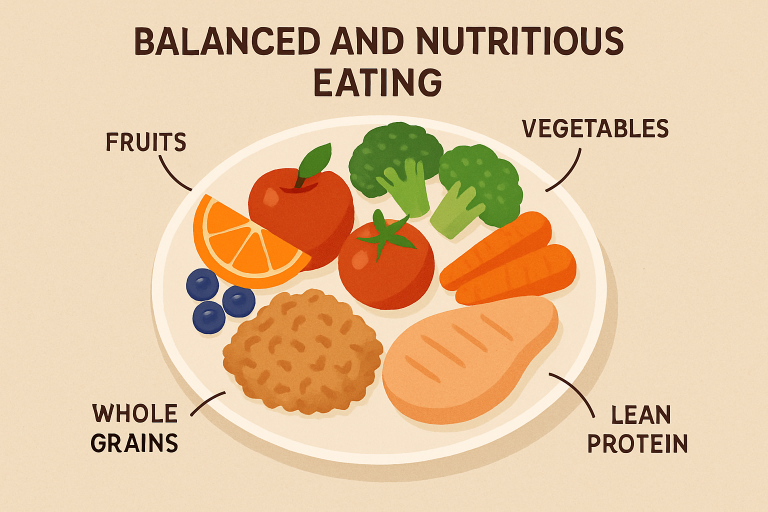
Nutrient-dense foods provide essential vitamins, minerals, and fiber for satisfaction and health, without unnecessary calories. Building your meals around fruits, vegetables, whole grains, lean proteins, and healthy fats supports energy levels and helps manage hunger. For example, increasing your intake of plant-based foods naturally boosts fiber and water content, helping you feel fuller with fewer calories.
Experiment with a variety of food groups to increase nutritional balance. Preparing meals at home can help you control ingredients and portion sizes. When dining out or facing a busy schedule, look for grilled, baked, or steamed options and ask for dressings and sauces on the side. These small switches can yield significant improvements in your nutritional profile and contribute to gradual, lasting weight loss.
Prioritize Regular Physical Activity
Regular exercise is essential for weight loss and maintenance. Aerobic activities like walking, cycling, or swimming burn calories, improve heart health, and boost mental well-being. Strength training increases muscle and metabolism for long-term results. The American Heart Association recommends at least 150 minutes of moderate exercise weekly, divided into sessions like 30 minutes five days a week. Mixing activities keeps routines engaging and prevents burnout. Pairing exercise with enjoyable activities, like listening to music or hanging out with friends, helps make it part of your lifestyle.
Practice Mindful Eating
Mindful eating involves savoring meals and paying attention to taste, texture, and signals of hunger or fullness. Slowing down, removing distractions, and focusing on food can prevent overeating and aid digestion. It encourages responding to your body’s cues rather than eating out of stress or habit. This fosters a positive relationship with food, reducing guilt or anxiety. Tracking patterns and emotions can identify triggers for unhealthy behaviors and promote healthier coping strategies. Practicing mindful eating makes meals more enjoyable and satisfying.
Establish Realistic Goals
Setting small, achievable goals boosts motivation and marks progress, like adding one extra vegetable or doing three workouts weekly. Goals should be specific, measurable, and adaptable. Tracking progress builds confidence, and celebrating victories like better sleep motivates beyond numbers. Regularly revisiting goals keeps your weight-loss journey positive and sustainable.
Seek Professional Guidance
Working with qualified professionals, such as registered dietitians or healthcare providers, provides individualized support. These experts can evaluate your personal history, preferences, and challenges to craft a plan that fits your life. Professional guidance is especially valuable if you have underlying health conditions or have struggled with weight management in the past.
Professionals can also offer accountability, structured tools, and science-based recommendations. Whether you prefer in-person consultations or digital health platforms, expert input can make your efforts more effective and increase your confidence throughout the process.
Monitor Progress and Adjust
Tracking your journey allows you to see what’s working and what needs refinement. Consider maintaining a food journal, logging workouts, or recording how you feel physically and emotionally. Rather than focusing solely on weight, monitor indicators such as energy, sleep quality, and how clothes fit. These insights let you fine-tune your habits for long-term success.
Be open to adapting your plan as your needs evolve. Sometimes, new challenges or changes in routine can affect your progress. Adjusting your approach with patience ensures your weight-loss journey remains both sustainable and enjoyable.
Conclusion
Long-term weight loss is not about perfection, but about progress. Sustainable success comes from forming realistic, enjoyable habits that support overall health. By choosing nutrient-dense foods, committing to regular movement, practicing mindful eating, setting achievable goals, seeking expert guidance, and monitoring your journey, you place yourself on the path to lasting results. Embrace change one step at a time and celebrate each milestone along the way as you build a healthier, more vibrant future.
Sorry, the comment form is closed at this time.