


27 Apr How to Start Subscription-Based E-commerce with Low Investment
Starting an online business no longer requires a huge budget. Today, anyone with a good idea and a little planning can launch a profitable venture from home. Subscription-based e-commerce is one of the most exciting opportunities available right now. It offers steady income, loyal customers, and room to grow at your own pace.
This article walks you through everything you need to know. You will learn what this business model is, why it works, and how to get started without spending a fortune.
What Is Subscription-Based E-commerce?
Subscription-based e-commerce is a business model where customers pay a recurring fee to receive products or services. The payment can be weekly, monthly, or yearly. In return, customers get curated boxes, digital content, software access, or exclusive deals delivered on a schedule.
Think of services like meal kit deliveries, beauty boxes, or monthly book clubs. These are all examples of this model in action. Additionally, digital subscriptions for tools, templates, or educational content have become hugely popular.
The key appeal for customers is convenience. They do not have to keep reordering. The products arrive automatically. Therefore, once a customer subscribes, they tend to stay for a long time. This creates a stable and predictable revenue stream for the business owner.
Why This Business Model Works So Well
The subscription model has a major advantage over traditional retail. In regular e-commerce, you make a sale once. With subscriptions, you make a sale that keeps renewing. This is called recurring revenue, and it changes everything about how a business grows.
Additionally, this model helps you plan better. When you know roughly how many subscribers you have each month, you can manage your inventory and budget with much more confidence. You waste less money on excess stock or guesswork.
Customer lifetime value is also higher in subscription businesses. A customer who buys once might spend thirty dollars. A subscriber might spend thirty dollars every month for two years. Therefore, each customer relationship becomes far more valuable over time.
However, success does not come automatically. You need to offer real value. Customers will cancel if they feel the subscription is not worth their money. So the goal is to keep delivering quality and making subscribers feel they are getting more than they paid for.
Choosing the Right Niche for Your Subscription Box
Your niche is everything. It determines your audience, your products, your pricing, and your marketing. Choosing the right one early on saves you a lot of time and money.
Start by thinking about your interests and knowledge. It is much easier to run a business in an area you already understand. If you love skincare, a beauty subscription box makes sense. If you are into fitness, a monthly supplement or workout gear box could work well.
Next, research demand. Use tools like Google Trends or Reddit communities to see what people are passionate about and willing to spend money on. Additionally, check if there are already successful subscription boxes in your chosen niche. Competition is actually a good sign. It means there is a proven market.
Some beginner-friendly niches to consider include:
- Pet care products
- Organic snacks or specialty foods
- Kids’ educational toys and books
- Craft and hobby supplies
- Wellness and self-care items
- Stationery and journaling accessories
Choose a niche that is specific enough to attract a dedicated audience, but broad enough to allow product variety over many months.
Planning Your Business with a Low Budget
One of the biggest myths about e-commerce is that you need a lot of money to start. That is simply not true. With smart planning, you can launch a subscription-based e-commerce business for a fraction of what traditional retail requires.
Here is how to keep your startup costs low.
Start small and test first. Do not order five hundred boxes on your first run. Instead, aim for twenty to fifty subscribers initially. This lets you test your product selection, packaging, and customer experience without a massive financial risk.
Source products wisely. Look for local suppliers, wholesale marketplaces, or dropshipping options. Platforms like Alibaba, Faire, or local trade shows are great places to find affordable products in bulk. Additionally, consider partnering with small brands who want exposure. They may offer you free or discounted products in exchange for featuring them in your box.
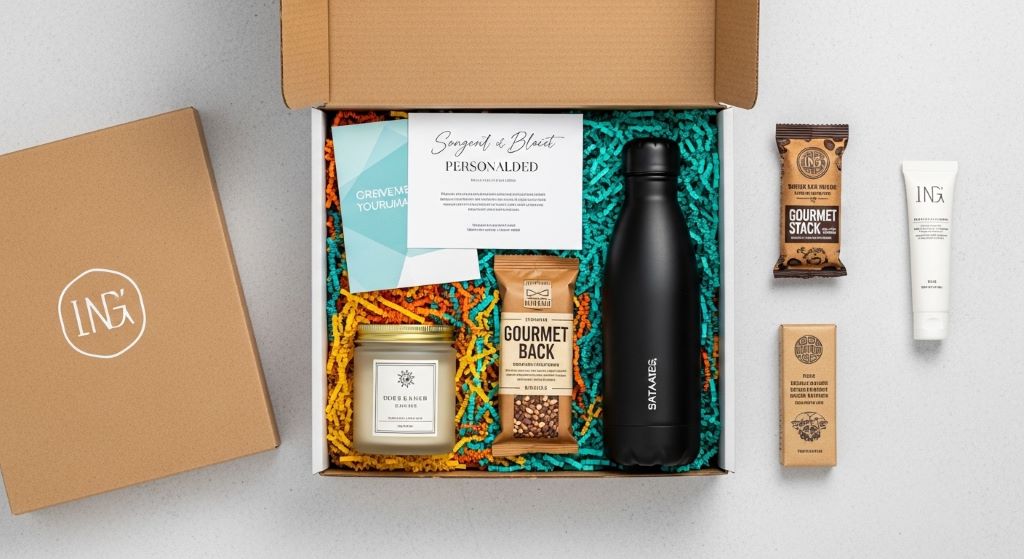
Keep packaging simple at first. Custom branded boxes look professional, but they cost more. In the beginning, plain boxes with a branded insert card or sticker work just fine. You can upgrade your packaging as your revenue grows.
Use free tools where possible. Many platforms offer free trials or affordable starter plans. Therefore, you do not need to invest in expensive software right away.
Picking the Right Platform to Launch Your Store
Your e-commerce platform is your storefront. It needs to handle subscriptions, payments, and customer management smoothly. Fortunately, there are several affordable options available.
Shopify is one of the most popular choices. It has a clean interface and supports subscription apps like Recharge or Bold Subscriptions. However, it does charge a monthly fee, so factor that into your budget.
WooCommerce is a great free alternative if you already use WordPress. It has subscription plugins that are either free or low-cost. This makes it ideal for entrepreneurs who want to keep overhead minimal.
Cratejoy is specifically built for subscription box businesses. It handles billing, shipping calculations, and customer management all in one place. Additionally, it has its own marketplace where new subscribers can discover your box organically.
Patreon or Gumroad work well if your subscription is digital, such as exclusive content, tutorials, or downloadable resources. These platforms are free to join and only take a small percentage of your earnings.
Choose a platform based on your niche, technical comfort level, and budget. Most importantly, make sure it can handle recurring billing reliably.
Pricing Your Subscription the Right Way
Pricing is one of the trickiest parts of starting a subscription-based e-commerce business. Price too high and people will not subscribe. Price too low and you will not make a profit.
Start by calculating your total cost per box. Include the products, packaging, shipping, platform fees, and any other expenses. Once you have that number, aim to price your subscription at least two to three times that amount. This gives you room for profit and unexpected costs.
Research what competitors charge. If similar boxes sell for thirty to forty dollars per month, you have a clear benchmark. You do not have to undercut everyone. Instead, focus on offering more value at a fair price.
Additionally, consider offering multiple subscription tiers. A basic, standard, and premium tier gives customers options. People who want to spend more have a way to do so. This can significantly increase your average revenue per user.
Offering prepaid plans is another smart strategy. Customers who pay for three or six months upfront give you cash flow and reduce churn. Therefore, offer a small discount for prepaid plans to encourage this behavior.
Marketing Your Subscription Business on a Tight Budget
You do not need a big advertising budget to attract subscribers. There are many effective ways to market your box without spending much.
Social media is your most powerful free tool. Platforms like Instagram, TikTok, and Pinterest are perfect for visually showcasing your subscription box. Post unboxing videos, behind-the-scenes content, and customer testimonials regularly. Consistency matters more than perfection here.
Influencer marketing does not have to be expensive. Micro-influencers, those with ten thousand to one hundred thousand followers, often charge much less than major celebrities. Additionally, many are open to receiving a free box in exchange for an honest review. This can introduce your brand to thousands of potential subscribers at very little cost.
Email marketing is another high-return strategy. Build an email list from day one. Offer a small discount or free gift in exchange for sign-ups. Then use those emails to announce new products, share exclusive deals, and keep subscribers engaged.
Referral programs work extremely well for subscription businesses. Encourage your existing subscribers to refer friends by offering them a free box or a discount on their next month. Word of mouth is still one of the most trusted forms of marketing.
Managing Fulfillment Without Losing Your Mind
Fulfillment is the process of packing and shipping your boxes. It can get overwhelming if you are not prepared. However, with the right systems in place, it becomes manageable even as a solo entrepreneur.
In the beginning, handle fulfillment yourself. Set a specific day each month for packing and shipping. Create a checklist to make sure every box has the right items. This reduces mistakes and keeps things organized.
As your subscriber count grows, consider using a third-party fulfillment center. These companies store your products and ship orders on your behalf. Yes, they charge a fee, but they save you enormous amounts of time. Additionally, they often have better shipping rates than you would get on your own.
Invest in good shipping software early. Tools like Shippo or Pirateship offer discounted rates and easy label printing. Therefore, even when handling fulfillment yourself, you can keep shipping costs under control.
Always communicate with your subscribers. Let them know when their box has shipped. Send them a tracking number. People are patient when they feel informed. Good communication reduces refund requests and cancellations.
Retaining Subscribers and Reducing Cancellations
Getting subscribers is important, but keeping them is even more critical. High cancellation rates, also called churn, can quickly undermine a subscription business.
The best way to retain subscribers is to consistently exceed their expectations. Include a surprise item occasionally. Send a handwritten thank-you note in the first box. Make the unboxing experience feel special and memorable.
Listen to your subscribers. Send monthly surveys asking for feedback on the products they received. Additionally, act on that feedback. When subscribers see that their opinions shape future boxes, they feel valued and stay longer.
Offer a pause option instead of cancellation. Many people cancel not because they dislike the box, but because they are going through a tight financial month. Allowing them to pause for one or two months keeps them in your ecosystem. Therefore, when their situation improves, they come back instead of having to re-subscribe.
Conclusion
Starting a subscription-based e-commerce business with low investment is entirely possible. You do not need a warehouse, a large team, or a massive advertising budget. What you need is a clear niche, a solid plan, and a genuine commitment to delivering value.
Choose a niche you understand and care about. Start small, test your concept, and grow gradually. Use affordable platforms and free marketing tools to keep your costs down. Price your subscription fairly, focus on customer experience, and always look for ways to improve.
Additionally, remember that patience is part of the process. Most successful subscription businesses took time to find their rhythm. Every month brings new lessons. Therefore, stay consistent, stay curious, and keep putting your customers first.
The opportunity is real, the barrier to entry is low, and the potential for steady income is significant. Now is a great time to take that first step.
Frequently Asked Questions
How much money do I need to start a subscription box business?
You can start with as little as five hundred to one thousand dollars. This covers initial product sourcing, basic packaging, a platform subscription, and a small marketing budget. Starting with a small number of subscribers helps you test the concept before committing to larger investments.
Do I need a website to start a subscription-based e-commerce business?
A website is helpful but not strictly necessary at the very beginning. You can start by taking pre-orders through social media or a simple landing page. However, as you grow, having a dedicated website on a platform like Shopify or WooCommerce becomes essential for managing billing and customer accounts efficiently.
What products work best for subscription boxes?
Products that are consumable, collectible, or highly curated tend to work best. Things like snacks, skincare items, books, hobby supplies, and wellness products are popular choices. Additionally, products with high perceived value but lower wholesale cost give you better profit margins.
How do I handle shipping costs for my subscription box?
Include shipping costs in your pricing strategy from the start. You can either charge a flat shipping fee on top of the subscription price or build it into the total cost. Using discounted shipping tools like Shippo or Pirateship helps reduce your per-box shipping expense significantly.
How do I get my first subscribers?
Start with your personal network. Tell friends, family, and colleagues about your launch. Post consistently on social media and offer an early-bird discount for your first sign-ups. Additionally, reaching out to micro-influencers in your niche for a product review can give you a fast and affordable boost in visibility.
Related Topics:
How to Use Tools for Ecommerce to Predict Product Demand Before Launch
How to Improve Workforce Efficiency Using Biometric Attendance Machines
Sorry, the comment form is closed at this time.