


29 Mar How to Improve Workforce Efficiency Using Biometric Attendance Machines
Managing employee attendance accurately has always been a challenge for businesses of all sizes. Traditional methods like punch cards and manual registers are prone to errors, manipulation, and time theft. Biometric attendance machines offer a modern solution that revolutionizes how companies track their workforce while simultaneously improving overall efficiency.
These advanced systems use unique biological characteristics to verify employee identity and record attendance automatically. From fingerprint scanners to facial recognition technology, biometric devices eliminate common attendance fraud while providing valuable data for better workforce management. This guide explores how implementing these systems can transform your organization’s productivity and operational effectiveness.
Understanding Biometric Attendance Technology
Biometric attendance machines identify employees based on their unique physical or behavioral characteristics. Unlike traditional methods that rely on cards or passwords, these systems use features that cannot be easily duplicated or shared between employees.
The most common biometric technologies include fingerprint recognition, facial recognition, iris scanning, and palm vein detection. Each method has its advantages depending on your workplace environment and specific requirements. Fingerprint scanners remain the most popular choice due to their affordability and reliability.
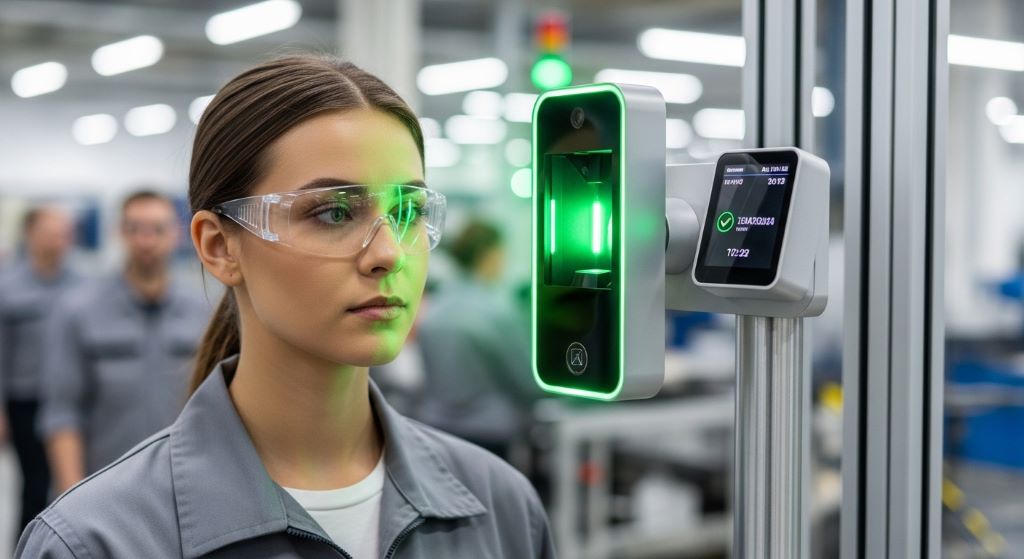
These devices work by capturing an employee’s biometric data during enrollment and storing it securely in a database. When the employee arrives at work, they simply scan their fingerprint or face. The system instantly compares this scan against stored data and records the attendance if there’s a match. This entire process takes just seconds, making it incredibly efficient for busy workplaces.
Furthermore, modern biometric systems integrate seamlessly with payroll software and human resources management platforms. This integration creates a comprehensive employee tracking system that streamlines multiple administrative processes simultaneously.
Eliminating Time Theft and Buddy Punching
One of the biggest drains on workforce efficiency is time theft. Employees arriving late, leaving early, or taking extended breaks can cost companies thousands of dollars annually. Additionally, buddy punching, where one employee clocks in for another who hasn’t arrived, represents a significant problem in traditional attendance systems.
Biometric attendance machines completely eliminate these issues. Since each person’s biometric signature is unique and cannot be replicated, employees must be physically present to record their attendance. This requirement ensures that the person clocking in is actually the employee assigned to that shift.
Studies show that businesses implementing biometric attendance systems reduce time theft by up to 75 percent. This reduction translates directly into improved productivity and cost savings. When employees know their actual work hours are being accurately tracked, they naturally become more punctual and accountable.
Moreover, the psychological impact of knowing that attendance fraud is impossible creates a culture of honesty and responsibility. Employees understand that their presence and contribution are being monitored fairly and accurately.
Streamlining Payroll Processing
Payroll processing consumes significant administrative time and resources in most organizations. Manual attendance records often contain errors that require correction, leading to delays and employee dissatisfaction. Biometric systems transform this process by providing accurate, automated data that feeds directly into payroll software.
The system automatically calculates total work hours, overtime, and break times based on actual clock-in and clock-out records. This automation eliminates the need for manual calculations and reduces the risk of human error. Consequently, payroll teams can process payments faster and with greater accuracy.
Additionally, having precise attendance data helps organizations better manage labor costs. Managers can quickly identify patterns of excessive overtime or understaffing issues. This visibility enables proactive scheduling adjustments that optimize workforce utilization while controlling expenses.
The integration between biometric attendance and payroll systems also creates an audit trail that ensures compliance with labor regulations. Every attendance record is timestamped and stored securely, making it easy to demonstrate compliance during inspections or disputes.
Enhancing Workforce Monitoring and Management
Effective workforce monitoring requires real-time visibility into who is present, absent, or on leave at any given moment. Biometric attendance machines provide managers with instant access to this critical information through centralized dashboards and mobile applications.
Managers can view attendance reports by department, shift, or individual employee with just a few clicks. This accessibility enables quick decision-making when unexpected absences occur or when additional coverage is needed. Rather than spending time tracking down attendance information, managers can focus on productive tasks.
The data collected by these systems also reveals valuable patterns and trends. You might discover that certain departments have higher absenteeism rates or that specific days of the week see more tardiness. Armed with this knowledge, you can implement targeted interventions to address these issues.
Furthermore, the ability to track attendance across multiple locations from a single platform benefits organizations with distributed workforces. Whether you have offices in different cities or operate multiple shifts, the system provides unified visibility that simplifies management.
Improving Employee Accountability
When employees know their attendance is being accurately monitored, they naturally take more responsibility for their punctuality and presence. Biometric systems create transparency that benefits both employees and employers.
Employees can access their own attendance records through self-service portals. This access allows them to verify their hours worked, check leave balances, and identify any discrepancies before payroll processing. Therefore, disputes about attendance become rare because everyone has access to the same accurate information.
This transparency also builds trust between management and staff. Employees appreciate that their work hours are being tracked fairly and consistently. They don’t have to worry about supervisors playing favorites or making arbitrary decisions about attendance credits.
Additionally, the objective nature of biometric data removes personal bias from attendance tracking. The system doesn’t care who you are or what your relationship with management is. It simply records facts, creating a level playing field for all employees.
Reducing Administrative Workload
Human resources and administrative teams spend countless hours managing attendance records, correcting errors, and responding to queries. Biometric attendance systems dramatically reduce this workload by automating most attendance-related tasks.
The system automatically generates reports for any time period you specify. Need monthly attendance summaries for performance reviews? The system creates them instantly. Require weekly overtime reports for budget monitoring? They’re ready with a single click.
This automation frees up your HR team to focus on strategic initiatives rather than administrative busy work. Instead of manually compiling spreadsheets, they can concentrate on employee development, recruitment, or improving workplace culture.
Moreover, the reduction in paperwork contributes to more sustainable business practices. Digital records eliminate the need for printed timesheets, attendance registers, and manual reports. This shift not only saves money on supplies but also aligns with modern environmental responsibility standards.
Ensuring Security and Data Privacy
Biometric attendance systems store sensitive personal information, making security a paramount concern. Reputable systems employ advanced encryption to protect biometric data from unauthorized access or theft.
Most modern systems don’t actually store images of fingerprints or faces. Instead, they convert biometric features into encrypted mathematical templates that cannot be reverse-engineered back into the original image. This approach ensures that even if data is compromised, it cannot be misused.
Organizations implementing these systems must also comply with data protection regulations like GDPR or local privacy laws. Ensure your chosen system includes features like consent management, data retention controls, and the ability to delete employee data when they leave the organization.
Employees should be informed about what biometric data is collected, how it’s stored, and who has access to it. Transparency about these practices builds trust and ensures compliance with legal requirements.
Choosing the Right Biometric System
Selecting the appropriate biometric attendance solution requires careful consideration of several factors. Start by assessing your workplace environment. Factories or outdoor locations might require more rugged devices, while office environments can use standard models.
Consider the size of your workforce and the number of access points you need. Some systems handle thousands of employees across multiple locations, while others are designed for smaller operations. Scalability is important if you anticipate growth.
Integration capabilities should be a key decision factor. Ensure the biometric system can connect with your existing payroll software, HR management platforms, and access control systems. Seamless integration maximizes the value of your investment.
Budget is obviously important, but focus on total cost of ownership rather than just the initial purchase price. Consider maintenance costs, software updates, support services, and potential expansion needs. Sometimes paying more upfront for a quality system saves money in the long run.
Additionally, evaluate the vendor’s reputation and support services. You want a provider who offers reliable technical support, regular software updates, and responsive customer service when issues arise.
Implementation Best Practices
Successfully implementing a biometric attendance system requires careful planning and change management. Start by communicating the reasons for the change to your workforce. Explain how the system benefits both the company and employees.
Address privacy concerns proactively. Provide clear information about data security measures and how personal information will be protected. Allow employees to ask questions and express concerns before implementation begins.
Conduct thorough training for all employees and managers. Everyone should understand how to use the system properly, including enrollment procedures, clock-in processes, and how to access their attendance records. Consider creating simple visual guides for quick reference.
Run a pilot program with a small group before full deployment. This trial period helps identify potential issues and allows you to make adjustments before rolling out the system company-wide. Gather feedback from pilot participants and incorporate their suggestions.
Plan for a transition period where both old and new systems run simultaneously. This overlap ensures continuity if technical issues arise and gives everyone time to become comfortable with the new process.
Measuring Success and ROI
After implementation, track specific metrics to measure the system’s impact on workforce efficiency. Compare attendance patterns before and after deployment to quantify improvements in punctuality and presence.
Calculate the reduction in payroll processing time and the accuracy improvement in wage calculations. These metrics demonstrate clear cost savings and operational benefits. Additionally, measure the decrease in time spent on attendance-related administrative tasks.
Survey employees to assess satisfaction with the new system. High adoption rates and positive feedback indicate successful implementation. Conversely, persistent complaints might reveal issues that need addressing.
Monitor your return on investment by comparing the system’s total cost against measurable savings like reduced time theft, lower payroll errors, and decreased administrative overhead. Most organizations see positive ROI within the first year of implementation.
Conclusion
Biometric attendance machines represent a powerful tool for improving workforce efficiency in modern organizations. By eliminating time theft, streamlining payroll processing, and providing accurate workforce monitoring capabilities, these systems deliver measurable benefits that impact your bottom line.
The technology creates accountability and transparency while reducing administrative burden on HR teams. Additionally, the comprehensive employee tracking system provides valuable data for better decision-making and resource allocation. When implemented thoughtfully with attention to privacy and security concerns, biometric attendance systems transform how organizations manage their most valuable asset: their people.
The initial investment in biometric technology pays dividends through improved accuracy, reduced fraud, and enhanced operational efficiency. As workforce management continues evolving, organizations that embrace these tools position themselves for greater productivity and success in an increasingly competitive business environment.
Frequently Asked Questions
Are biometric attendance systems expensive to implement?
The cost varies depending on the size of your organization and the technology chosen. Basic fingerprint systems can start around a few hundred dollars per device, while advanced facial recognition systems cost more. However, most businesses recover their investment within a year through reduced time theft and administrative savings. Consider the long-term ROI rather than just upfront costs.
How accurate are biometric attendance machines?
Modern biometric systems are extremely accurate, with false acceptance rates typically below 0.001 percent. Fingerprint readers have accuracy rates exceeding 99 percent, while facial recognition technology continues improving rapidly. Environmental factors like dirty fingers or poor lighting can occasionally affect readings, but quality systems minimize these issues through advanced algorithms.
What happens if an employee’s biometric data doesn’t scan?
Most systems include backup authentication methods for situations where biometric scanning fails. This might include PIN codes, RFID cards, or manual override by a supervisor. Additionally, employees can be re-enrolled if their biometric template becomes corrupted or if physical changes affect scanning accuracy. Multiple backup options ensure continuous operation.
Can biometric data be stolen or misused?
Reputable systems store encrypted mathematical templates rather than actual fingerprint images or facial photos. These templates cannot be reverse-engineered into the original biometric data. Additionally, proper security measures including encryption, access controls, and compliance with data protection regulations minimize risks. Choose vendors who prioritize security and comply with relevant privacy laws.
How long does it take to implement a biometric attendance system?
Implementation timelines depend on organization size and complexity. Small businesses might complete installation in a few days, while large organizations with multiple locations may need several weeks. The process includes hardware installation, software configuration, employee enrollment, training, and testing. Proper planning and phased rollouts ensure smooth transitions with minimal disruption to daily operations.
Related Topics:
Building Resilience in Modern Real Estate Portfolios
Sorry, the comment form is closed at this time.