


08 Apr How to Use Tools for Ecommerce to Predict Product Demand Before Launch
Launching a new product without understanding demand is risky. Many ecommerce businesses fail because they guess what customers want instead of using data. However, modern tools make it easier than ever to predict demand before you invest time and money.
In this guide, you will learn how to use ecommerce tools to forecast product demand accurately. Additionally, you will discover practical steps, beginner-friendly methods, and proven strategies that can help you make smarter decisions.
Why Predicting Product Demand Matters
Before launching any product, you need to know if people actually want it. Otherwise, you may end up with unsold inventory or wasted marketing spend.
Here is why demand prediction is essential:
- It reduces financial risk
- It improves inventory planning
- It helps set the right price
- It increases your chances of success
- It supports better marketing strategies
Therefore, using the right tools is not optional anymore. It is a must for any serious ecommerce business.
Understanding Product Demand in Ecommerce
Product demand refers to how many people are willing to buy a product within a specific period. However, demand is not constant. It changes due to trends, seasons, competition, and customer behavior.
For example, winter clothing sells more during cold months. Similarly, tech gadgets may spike during holiday seasons.
So, predicting demand means analyzing patterns, trends, and data to estimate future sales.
Types of Ecommerce Tools for Demand Prediction
There are several types of tools that help forecast demand. Each serves a different purpose.
Keyword Research Tools
These tools show what people are searching for online. If many users search for a product, demand is likely high.
Popular uses include:
- Finding trending products
- Measuring search volume
- Identifying customer intent
Additionally, keyword tools help you understand how customers describe products.
Market Research Tools
Market research tools analyze broader trends. They help you see whether a product category is growing or declining.
These tools provide:
- Industry insights
- Trend data
- Consumer behavior patterns
Therefore, they are useful for long-term planning.
Competitor Analysis Tools
Competitor tools show what others are selling successfully.
You can learn:
- Best-selling products
- Pricing strategies
- Customer reviews
However, you should not copy competitors blindly. Instead, use insights to improve your own product.
Sales Analytics Tools
These tools track your store’s data. If you already sell products, you can use past data to predict future demand.
They help with:
- Sales trends
- Customer preferences
- Seasonal patterns
Additionally, analytics tools improve decision-making over time.
Social Media Listening Tools
Social media platforms are full of customer opinions. These tools monitor conversations and trends.
They help identify:
- Viral products
- Customer pain points
- Emerging trends
Therefore, social media insights can give you an early advantage.
Step-by-Step Guide to Predict Product Demand
Now let’s break down the process into simple steps.
Step 1: Identify a Product Idea
Start with a product idea. It can come from:
- Personal interest
- Market gaps
- Customer problems
However, do not assume your idea will work. Validation is key.
Step 2: Analyze Search Demand
Use keyword tools to check how often people search for your product.
Look for:
- High search volume
- Consistent trends
- Related keywords
Additionally, check if demand is growing or declining.
Step 3: Study Market Trends
Next, explore market trends using research tools.
Focus on:
- Seasonal demand
- Industry growth
- Consumer behavior
For example, if demand spikes only once a year, plan accordingly.
Step 4: Evaluate Competitors
Search for similar products online. Analyze top sellers.
Pay attention to:
- Product features
- Pricing
- Reviews
However, negative reviews are especially valuable. They show what customers dislike.
Step 5: Use Data from Marketplaces
Marketplaces provide real demand data.
You can check:
- Best-seller rankings
- Product ratings
- Sales estimates
Additionally, this data is more reliable than assumptions.
Step 6: Monitor Social Trends
Look at platforms like TikTok, Instagram, and forums.
Search for:
- Trending hashtags
- Viral products
- Customer discussions
Therefore, you can identify products before they become saturated.
Step 7: Run Small Tests
Before launching fully, test your idea.
You can:
- Run ads with a landing page
- Collect pre-orders
- Use surveys
Additionally, testing helps you validate demand with minimal risk.
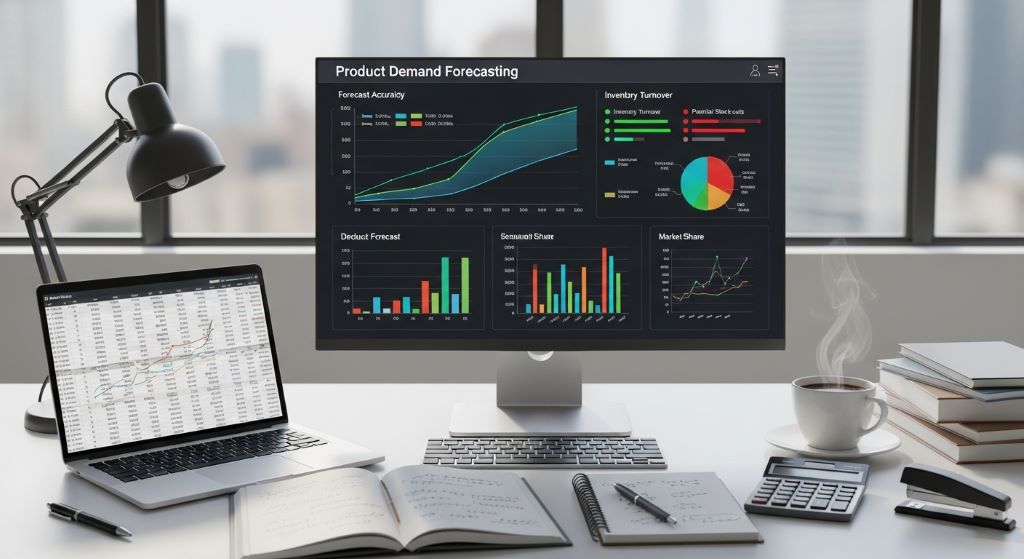
Key Metrics to Track for Demand Prediction
Tracking the right metrics is important. Otherwise, your predictions may be inaccurate.
Here are essential metrics:
- Search volume
- Click-through rate (CTR)
- Conversion rate
- Cost per click (CPC)
- Sales velocity
- Customer reviews
Therefore, always rely on data instead of guesses.
Using Google Trends for Demand Forecasting
Google Trends is a powerful free tool. It shows how interest in a product changes over time.
You can:
- Compare products
- Identify seasonal trends
- Discover rising searches
Additionally, it helps you avoid products that are losing popularity.
Leveraging Customer Feedback
Customer feedback is one of the most valuable sources of insight.
You can gather feedback through:
- Reviews
- Surveys
- Social media comments
However, focus on common complaints and suggestions.
Therefore, you can improve your product before launch.
Predicting Seasonal Demand
Many products follow seasonal patterns.
Examples include:
- Clothing
- Holiday items
- Fitness products
To predict seasonal demand:
- Analyze past trends
- Check yearly patterns
- Plan inventory in advance
Additionally, early preparation can give you a competitive edge.
Common Mistakes to Avoid
Even with tools, mistakes can happen.
Here are common errors:
- Ignoring data
- Following trends too late
- Overestimating demand
- Not testing products
- Copying competitors blindly
However, avoiding these mistakes increases your chances of success.
Combining Multiple Tools for Better Accuracy
Using one tool is not enough. Each tool provides partial insights.
Therefore, combine multiple sources:
- Keyword tools for search data
- Market tools for trends
- Analytics for performance
- Social tools for real-time insights
Additionally, combining data improves accuracy and confidence.
How AI Tools Improve Demand Prediction
Artificial intelligence is changing ecommerce.
AI tools can:
- Analyze large datasets
- Predict buying behavior
- Automate forecasting
However, you still need human judgment. AI supports decisions but does not replace them.
Creating a Demand Forecast Model
You can create a simple model using:
- Historical data
- Market trends
- Customer behavior
Steps include:
- Collect data
- Identify patterns
- Estimate future demand
- Adjust based on trends
Additionally, update your model regularly for better results.
Benefits of Predicting Demand Before Launch
When done correctly, demand prediction offers many advantages:
- Better product selection
- Lower risk
- Improved marketing strategy
- Higher profitability
Therefore, it is a critical step in ecommerce success.
Practical Example of Demand Prediction
Imagine you want to sell reusable water bottles.
Here is how you would predict demand:
- Check search volume for related keywords
- Analyze trends using Google Trends
- Study competitors on marketplaces
- Read customer reviews
- Monitor social media discussions
Additionally, you could test the product with ads before launch.
This approach reduces uncertainty and increases success.
Conclusion
Predicting product demand before launch is essential for ecommerce success. Without it, you risk investing in products that may not sell.
However, by using tools like keyword research platforms, market analysis tools, and social media insights, you can make informed decisions. Additionally, combining multiple tools improves accuracy and confidence.
Testing your ideas before full launch is equally important. It helps validate demand and reduces risk. Therefore, always rely on data, not assumptions.
In the end, businesses that use demand prediction tools effectively are more likely to succeed in the competitive ecommerce market.
Frequently Asked Questions
1. What is the best tool to predict product demand?
There is no single best tool. However, combining keyword tools, Google Trends, and analytics tools provides the most accurate results.
2. Can beginners predict product demand easily?
Yes, beginners can start with simple tools like Google Trends and keyword research platforms. Additionally, practice improves accuracy over time.
3. How accurate are demand prediction tools?
They are not 100 percent accurate. However, they significantly reduce risk when used correctly.
4. Should I test a product before launching?
Yes, testing is essential. It helps validate demand and prevents losses.
5. How often should I analyze demand trends?
You should analyze trends regularly, especially before launching new products or during seasonal changes.
Related Topics:
How to Protect Business from Costly Financial Traps
How to Benchmark Competitors for Business Transformation Strategy Planning
Sorry, the comment form is closed at this time.