


09 May High Brightness Paper for Professional Reports
High brightness paper is designed to make printed reports look sharper, cleaner, and more professional by reflecting more light and improving text contrast. Businesses, students, legal firms, and corporate teams use high brightness presentation paper because it enhances readability, improves color clarity, and creates a polished first impression.
Why Does High Brightness Paper Matter for Professional Reports?
High brightness paper improves document clarity, presentation quality, and overall professionalism. It helps black text appear darker, colors look more vivid, and charts become easier to read.
Many reports fail to make an impact because they are printed on low-quality paper that looks dull or grayish. Even a well-designed proposal or presentation can appear unprofessional when the paper lacks brightness and a smooth finish. In competitive business environments, presentation quality influences perception.
Research from print industry studies shows that readers often associate brighter, cleaner paper with higher credibility and better organization. Whether you are preparing financial reports, annual presentations, sales proposals, academic documents, or marketing materials, the paper choice directly affects readability and visual appeal.
Professional reports are not only about information. They are also about presentation. High brightness paper helps businesses create stronger first impressions while improving the reading experience.
What Is High Brightness Paper?
High brightness paper is printing paper engineered to reflect more light, making documents appear whiter, cleaner, and sharper than standard office paper.
Paper brightness is typically measured on a scale from 1 to 100 using standardized testing methods. Most standard office papers fall between 84 and 92 brightness. Premium presentation paper often ranges from 96 to 100 brightness.
Higher brightness levels improve:
- Text sharpness
- Color vibrancy
- Contrast between ink and paper
- Image clarity
- Professional appearance
Brightness differs from whiteness. Brightness measures light reflection, while whiteness refers to the paper’s color tone. Some papers may appear slightly blue-white to enhance perceived brightness.
High brightness paper is commonly used for:
- Business presentations
- Client proposals
- Corporate reports
- Legal documents
- Marketing materials
- Academic research papers
- Resume printing
How Does Smooth Finish Paper Improve Print Quality?
Smooth finish paper improves toner and ink placement, resulting in cleaner text, sharper graphics, and more detailed images.
The surface texture of paper plays a major role in print output. Rough paper absorbs ink unevenly, which can reduce sharpness and create feathering around letters. Smooth finish paper minimizes this issue by providing a uniform surface.
Benefits of smooth finish paper include:
- Sharper text edges
- Cleaner image reproduction
- Reduced ink spread
- Professional feel and appearance
- Improved readability
Laser printers especially benefit from smooth paper because toner bonds more consistently across the surface. Inkjet printers also produce more detailed images on smooth-finish sheets.
This is why many premium presentation papers combine high brightness with ultra-smooth finishes.
What Brightness Level Is Best for Professional Reports?
For professional reports, a brightness rating between 96 and 100 typically delivers the best balance of readability, contrast, and presentation quality.
Choosing the right brightness level depends on the document purpose. Here is a general comparison:
| Brightness Level | Best Use | Appearance |
|---|---|---|
| 84–88 | Basic office printing | Dull white |
| 90–94 | Standard business documents | Clean and readable |
| 96–100 | Professional reports and presentations | Bright, sharp, premium look |
For executive presentations, investor reports, or client-facing materials, brighter paper creates stronger visual impact and improves perceived quality.
Why Do Businesses Prefer Presentation Paper?
Businesses prefer presentation paper because it improves professionalism, strengthens branding, and enhances readability during meetings and client presentations.
Presentation paper is specifically designed for high-quality printing. It usually features:
- High brightness ratings
- Smooth finish surfaces
- Higher paper weight
- Better opacity
- Enhanced durability
When presenting reports to clients, investors, or executives, visual presentation matters. A thin, dull sheet can make important information feel less credible.
Professional presentation paper creates:
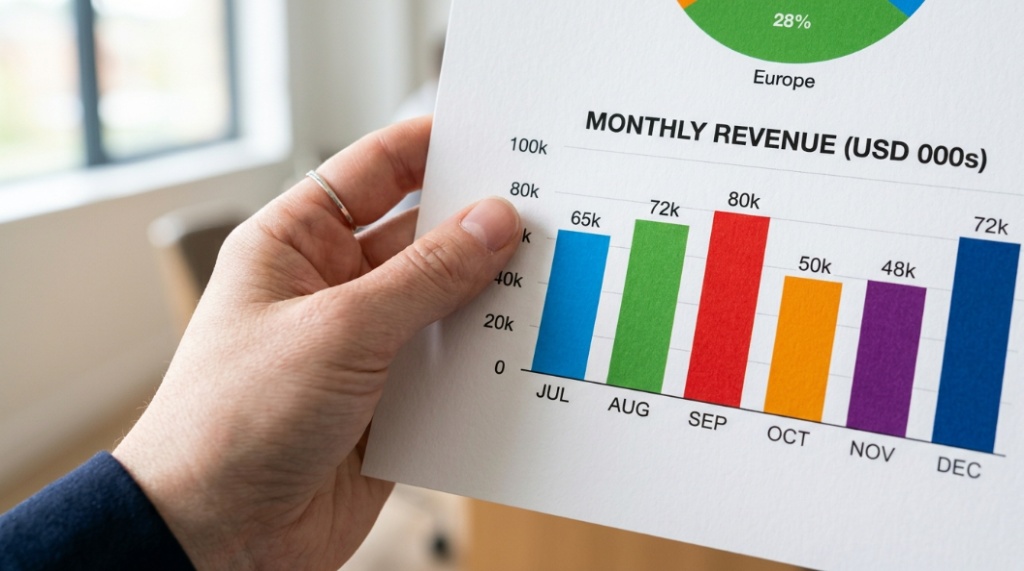
- More vivid charts and graphs
- Sharper business logos
- Cleaner typography
- Premium tactile feel
- Reduced show-through from back pages
Many companies use premium printer paper as part of their brand presentation strategy because physical documents still influence perception in corporate environments.
Does High Brightness Paper Improve Readability?
Yes, high brightness paper improves readability by increasing contrast between text and background, making documents easier to scan and read.
Readability becomes especially important for:
- Long reports
- Financial statements
- Technical documentation
- Research papers
- Legal contracts
Dark text on brighter paper reduces eye strain and improves information retention. This is particularly useful in presentations where charts, graphs, and small fonts need to remain clear.
Studies in print readability have shown that better contrast improves reading speed and comprehension. High brightness paper supports this by reflecting more light evenly across the page.
What GSM Is Ideal for Presentation Paper?
For most professional reports, paper between 90 GSM and 120 GSM provides the best balance between durability and printer compatibility.
GSM stands for grams per square meter and measures paper thickness and weight.
| Paper Weight | Best Use | Feel |
|---|---|---|
| 70–80 GSM | Standard office printing | Thin |
| 90–100 GSM | Professional reports | Premium everyday feel |
| 120–160 GSM | Presentations and covers | Heavy and durable |
Heavier paper feels more substantial and reduces transparency. However, extremely heavy paper may not work well with all office printers.
Most premium smooth finish paper products designed for reports fall around 98–105 GSM.
Is High Brightness Paper Better for Color Printing?
Yes, high brightness paper significantly improves color printing by making colors appear more vibrant and accurate.
Color documents rely heavily on contrast and surface quality. Brighter paper reflects more light, allowing printed colors to appear richer and more saturated.
This benefits:
- Marketing reports
- Sales presentations
- Infographics
- Corporate branding materials
- Charts and analytics reports
Smooth finish paper also prevents uneven ink absorption, helping maintain image sharpness.
If your report includes graphs, photography, or branded visuals, high brightness presentation paper delivers noticeably better results than basic copy paper.
How Does Paper Opacity Affect Professional Reports?
Higher opacity prevents text and images from showing through the opposite side of the page, improving readability and document quality.
Opacity is especially important for double-sided printing. Thin, low-opacity paper can create distracting shadowing effects that reduce readability.
Premium report paper usually combines:
- High brightness
- Smooth finish
- Higher opacity
- Better paper weight
This creates a cleaner reading experience, particularly for large reports and formal presentations.
What Are the Best Uses for High Brightness Smooth Finish Paper?
High brightness smooth finish paper works best for documents that require strong visual presentation and professional appearance.
Common applications include:
- Business proposals
- Annual reports
- Legal contracts
- Resumes and CVs
- Research papers
- Corporate presentations
- Sales pitch decks
- Training manuals
- Investor presentations
It is also commonly used in industries where professionalism and presentation quality directly influence client trust.
Should You Use Inkjet or Laser-Compatible Presentation Paper?
You should choose paper specifically designed for your printer type to achieve the best print quality and avoid smudging or toner issues.
Laser printers use heat and toner, while inkjet printers use liquid ink. Paper coatings and surface structures vary depending on compatibility.
Laser-Compatible Paper
Laser presentation paper is optimized for:
- Sharp text output
- Fast drying
- Toner adhesion
- High-volume business printing
Inkjet-Compatible Paper
Inkjet presentation paper is designed for:
- Better ink absorption
- Vivid image reproduction
- Reduced smearing
- Photo-quality graphics
Using the wrong paper type can reduce print quality and cause printer issues.
What Features Should You Look for in Professional Presentation Paper?
The best presentation paper combines brightness, smoothness, weight, opacity, and printer compatibility.
Important features include:
- Brightness rating above 96
- Smooth finish surface
- 90–120 GSM weight
- High opacity
- Acid-free composition
- Jam-resistant performance
- Laser or inkjet compatibility
Acid-free paper is particularly important for archival documents because it resists yellowing over time.
Can High Brightness Paper Improve Brand Perception?
Yes, premium paper quality can strengthen brand perception by making printed materials look more polished and credible.
People often judge businesses based on presentation details. A professionally printed report on premium smooth finish paper signals attention to quality and professionalism.
First impressions matter in:
- Client meetings
- Investor presentations
- Sales pitches
- Recruitment documents
- Corporate communications
Many luxury brands and professional firms intentionally invest in premium paper stock because tactile quality influences perceived value.

How Does Brightness Compare to Whiteness in Paper?
Brightness measures light reflectivity, while whiteness refers to the shade or tone of the paper.
These terms are often confused, but they affect appearance differently.
| Feature | Brightness | Whiteness |
|---|---|---|
| Definition | Light reflection | Color tone |
| Impact | Text contrast | Visual shade |
| Measured By | Brightness scale | Color balance |
| Best For | Readability | Aesthetic preference |
High brightness paper often includes blue-white undertones to create a cleaner appearance.
Is Premium Report Paper Worth the Higher Cost?
Yes, premium presentation paper is usually worth the cost for client-facing documents, executive reports, and professional presentations.
The cost difference between standard paper and premium high brightness paper is relatively small compared to the value of improved presentation quality.
Benefits include:
- Better readability
- More professional appearance
- Improved print clarity
- Higher perceived credibility
- Stronger first impressions
For internal drafts or temporary documents, standard paper may be sufficient. But for important presentations, premium paper provides measurable visual advantages.
Conclusion
High brightness paper plays a major role in how professional reports are perceived. It improves readability, enhances print clarity, supports better color reproduction, and creates a stronger visual impression. Combined with a smooth finish, premium presentation paper helps documents look polished and credible.
Businesses, legal professionals, educators, marketers, and corporate teams continue to use high brightness smooth finish paper because presentation quality still matters in professional communication. A well-designed report loses impact when printed on dull or low-quality sheets.
If you regularly create client proposals, executive summaries, presentations, or research documents, investing in premium presentation paper can improve both readability and perception. Small details influence how people evaluate professionalism.
Choosing the right brightness level, GSM weight, opacity, and printer compatibility ensures your reports stand out for the right reasons.
Want stronger presentations and sharper-looking reports? Start by upgrading the paper you print on.
Frequently Asked Questions About High Brightness Paper
What is considered high brightness paper?
Paper with a brightness rating between 96 and 100 is generally considered high brightness paper. It reflects more light and creates sharper print contrast.
Is high brightness paper better for resumes?
Yes, high brightness smooth finish paper helps resumes appear cleaner, sharper, and more professional during hiring reviews.
Does brighter paper use more ink?
No, brighter paper does not necessarily use more ink. However, it can make printed colors and text appear more vivid because of better light reflection.
What paper finish is best for professional reports?
Smooth finish paper is typically best for professional reports because it improves text clarity, image sharpness, and overall presentation quality.
What GSM paper should I use for presentations?
For presentations and professional reports, 90–120 GSM paper provides a premium feel without causing most printer compatibility issues.
Is laser paper different from presentation paper?
Yes, laser paper is optimized for toner-based printers, while presentation paper focuses more on brightness, smoothness, and premium appearance. Some products combine both features.
Can high brightness paper reduce eye strain?
Yes, improved contrast between text and background can make documents easier to read and reduce visual strain during long reading sessions.
📌 Related Reads
Discover: Sustainable Living in Houston: Trends and Tips for Homebuyers
Learn: How to Start Subscription-Based E-commerce with Low Investment
Sorry, the comment form is closed at this time.