

15 Sep Fresh Produce in Florida: How the Cold Chain Protects Quality From Farm to Kitchen
Key Takeaways
- The cold chain helps Florida produce retain texture, flavor, and usable shelf life after harvest.
- Cooling matters at every handoff, including packing, transport, retail storage, delivery, and home refrigeration.
- Refrigeration supports quality and food safety, but it must be paired with clean water, sanitation, hygiene, and careful handling.
- Lot records and traceability help businesses respond more quickly if a food safety concern arises.
- Shoppers can reduce waste by selecting sound produce, storing it properly, and preparing it safely.
Florida’s long growing season gives local households, restaurants, and markets access to a colorful range of fruits and vegetables. A thoughtfully selected fresh produce Medley FL can reflect that abundance, from crisp greens and tomatoes to berries, root vegetables, and seasonal specialty crops.
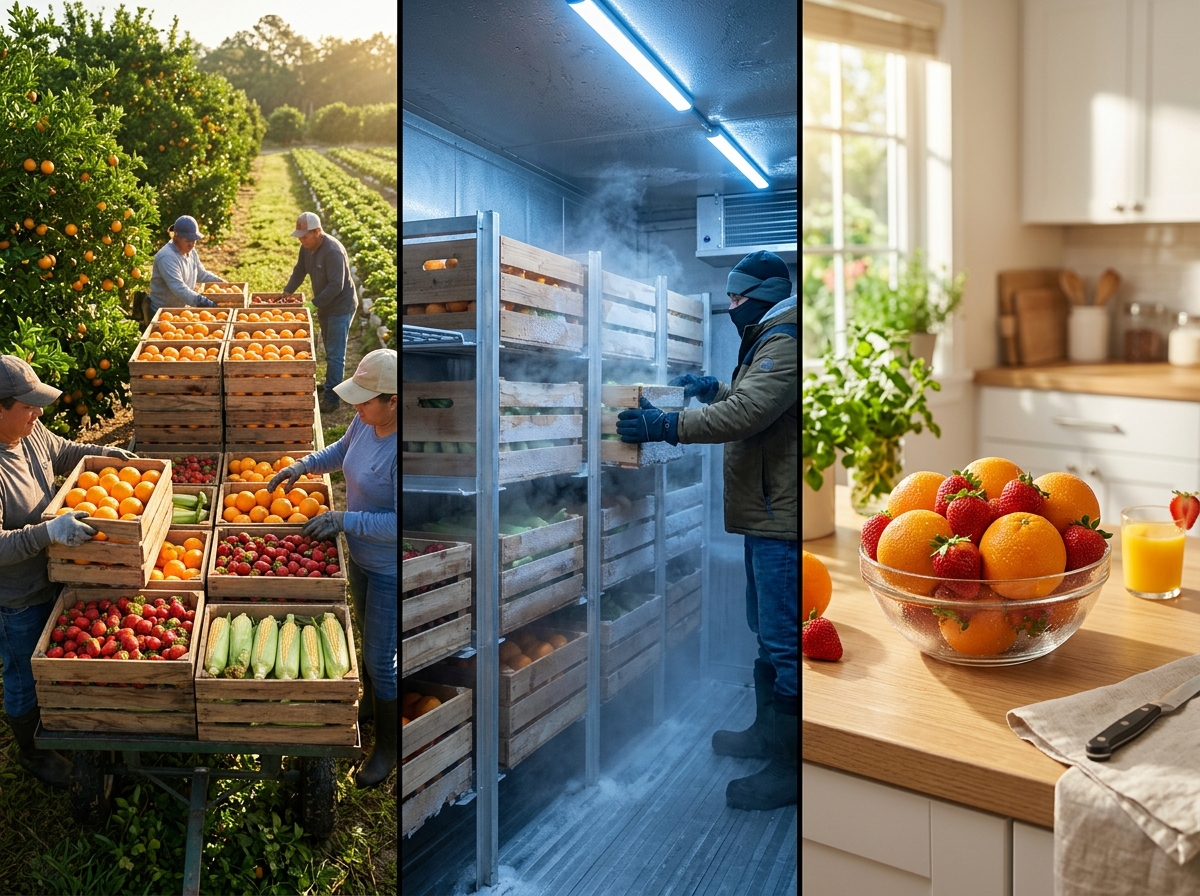
Yet Florida’s warmth and humidity also make careful handling of produce especially important. Fresh fruits and vegetables can lose quality quickly when they sit in hot fields, loading areas, trucks, or kitchens. The cold chain is the connected system that helps protect produce from the moment it is harvested until it reaches a Florida table.
Why Fresh Produce Needs Care After Harvest
Fruits and vegetables do not stop changing when they are picked. They continue to respire, lose moisture, and age naturally. Heat can speed those changes, while rough handling can cause bruises, torn leaves, and damaged skins. Those injuries may shorten shelf life and make produce less appealing before it ever reaches a shopper.
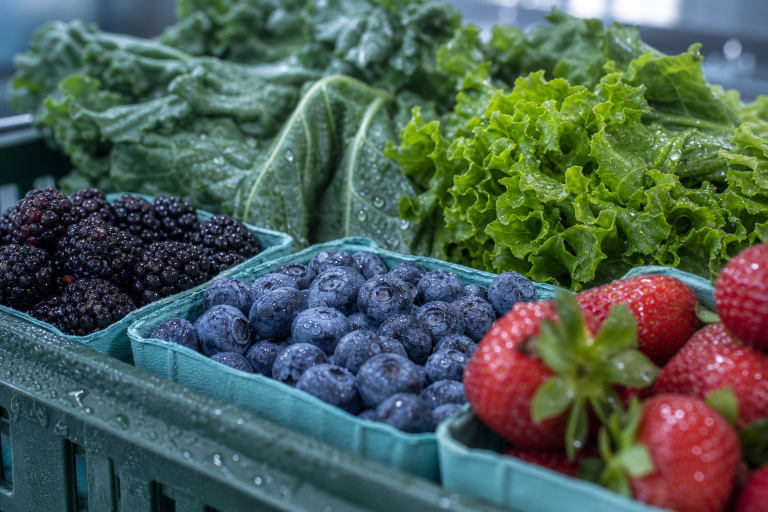
For delicate crops such as berries, leafy greens, peas, and fresh herbs, a delay in cooling can be costly. A container of berries that stays warm after harvest may soften faster than one that is cooled promptly and kept at a steady temperature. In Florida, where field and dock temperatures can rise rapidly, the time between harvest and cooling deserves close attention.
A documented handoff keeps a shipment moving through the supply chain rather than unaccounted for during transfers between a farm, packing facility, distributor, or retailer. Clear communication about timing, temperature, and product condition helps prevent small delays from becoming quality losses.
What the Cold Chain Means
The cold chain is not a single refrigerator or refrigerated truck. It is a series of coordinated practices for cooling, storage, transport, and handling of temperature-sensitive foods. A strong cold chain may include field cooling, packing-house storage, refrigerated transportation, distribution centers, retail display cases, insulated delivery containers, and home refrigerators.
Every link matters. Produce that is cooled correctly at a packing house can still lose quality if it waits too long on a warm dock. Likewise, a properly refrigerated truck cannot fully protect a load if boxes are stacked in a way that blocks airflow or if receiving staff leave product out while making room in the cooler.
Step One: Cooling Produce Soon After Harvest
The first goal is to remove field heat as soon as the crop and operation allow. Packing operations may use forced-air cooling, hydrocooling, vacuum cooling, room cooling, or another approach suited to the commodity. The best method depends on the product, packaging, available equipment, and water-management practices.
- Harvest produce carefully to limit cuts, compression, and bruising.
- Move it promptly out of direct sunlight and toward the appropriate cooling area.
- Use a cooling method that fits the crop’s needs.
- Confirm that the product itself, not only the surrounding air, has cooled adequately.
- Place the cooled produce in a clean storage area with adequate airflow and protection.
Step Two: Matching Temperature and Humidity to the Crop
There is no single storage setting for all produce. Some crops benefit from cold, humid conditions, while others can develop chilling injury when stored too cold. Matching storage conditions to the commodity helps preserve appearance, firmness, and flavor.
- Berries: Their main concerns are softening, mold, and crushing. Keep them cold, handle containers gently, and avoid trapped moisture.
- Leafy greens: Their main concern is moisture loss and wilting. Fast, steady cooling and adequate humidity help maintain crispness.
- Bananas: Their main concern is chilling injury. Avoid storing them at temperatures that are too low for the fruit.
- Root vegetables: Their main concern is drying and loss of firmness. Protect them from heat and very dry air.
Step Three: Protecting Produce During Transport
Transportation should begin with a clean, pre-cooled vehicle when the product requires refrigeration. Loading patterns should leave room for air to circulate, and cartons should be stacked securely enough to prevent shifting and crushing. Open doors, damaged seals, and long loading times can allow warm air into the load.
Temperature sensors, humidity monitors, GPS tracking, and automated alerts can help businesses spot problems while a shipment is in transit. These tools support trained employees, but they do not replace physical inspection. Someone still needs to check the product, investigate the cause of a temperature change, and decide whether corrective action is needed.
Food Safety Checks Along the Supply Chain
Cold temperatures can slow the growth of many microorganisms, but refrigeration does not make contaminated produce safe. Safe handling also depends on clean harvest tools, appropriate water quality, sanitary packing areas, worker hygiene, and steps that prevent cross-contact between products and surfaces.
Fresh-cut items require particular care because cutting, peeling, shredding, or dicing alters the produce’s protective outer surface. The FDA’s guidance for ready-to-eat fresh-cut produce operations, finalized on August 11, 2026, emphasizes controls for biological hazards in products that do not receive a kill step before sale.
- Maintain clean equipment, containers, and packing areas.
- Train workers on handwashing, illness reporting, and hygienic handling.
- Use sanitation routines and verify that they are being followed.
- Keep written records of checks, deviations, and corrective actions.
- Separate raw animal products from produce during storage and preparation.
Why Traceability Matters
Traceability is the ability to follow a product through important points in the supply chain. Useful records may identify the grower or production site, harvest date, pack date, lot number, shipping destination, and receiving details. When a problem is reported, those details can help businesses and investigators focus on the relevant product rather than treating every item as affected.
Better records can support faster investigations, narrower recalls, and clearer communication with buyers. For Florida growers and local retailers, traceability is also practical day-to-day business information. It can help identify where a quality problem started, whether during harvest, cooling, transport, receiving, or storage.
Common Cold Chain Problems
- Delayed cooling: Produce remains warm for too long after harvest.
- Temperature breaks: A load warms during loading, transfer, or storage.
- Poor airflow: Boxes block vents or are packed too tightly.
- Mixed loads: Products with very different storage needs share the same space.
- Excess moisture: Condensation promotes decay and mold growth.
- Rough handling: Bruises and crushed packaging create avoidable quality loss.
- Weak documentation: Missing lot details make it harder to pinpoint the issue.
What Shoppers Can Do at Home
Consumers are the final link in the cold chain. Choose produce without deep bruises, leaking areas, or visible mold. Refrigerate perishable items soon after shopping, especially pre-cut fruits, bagged salads, mushrooms, herbs, and berries. Keep produce separate from raw meat, poultry, and seafood, and use separate cutting boards when possible.
Before eating or cutting produce, wash your hands and rinse whole fruits and vegetables under clean running water. The FDA advises shoppers to avoid using soap, detergent, or commercial produce washes, and to refrigerate perishable produce at 40°F or below. Its practical guidance for selecting and serving produce safely also recommends choosing refrigerated or iced pre-cut produce at the store.
How Better Cold Chains Reduce Food Waste
Food waste can begin long before produce reaches the kitchen. A shipment may arrive safely at a store but still lose quality if there is not enough cooler space or if cartons wait on a warm receiving dock. Better cooling, accurate ordering, gentle handling, timely rotation, and attention at every handoff can help more produce remain usable.
Questions Readers May Have
Does refrigeration kill bacteria?
No. Refrigeration can slow the growth of many microorganisms, but it does not eliminate all food safety risks. Sanitation, clean water, safe handling, and proper storage remain important.
Should all fruits and vegetables go in the refrigerator?
No. Storage needs vary by crop and ripeness. Some products keep best at room temperature until ripe, while others lose quality quickly without refrigeration.
Can washing produce make it last longer?
Not always. Washing before storage can leave extra moisture on some items and may speed deterioration. When produce is washed before storage, dry it well and avoid trapping moisture in the container.
Conclusion
From Florida farms to family kitchens, the quality of produce depends on a chain of small decisions. Prompt cooling, crop-appropriate storage, clean handling, reliable records, and thoughtful home storage work together to protect fresh food. When every step is taken with care, more fruits and vegetables can stay crisp, flavorful, and useful for those who enjoy them.
Sorry, the comment form is closed at this time.