

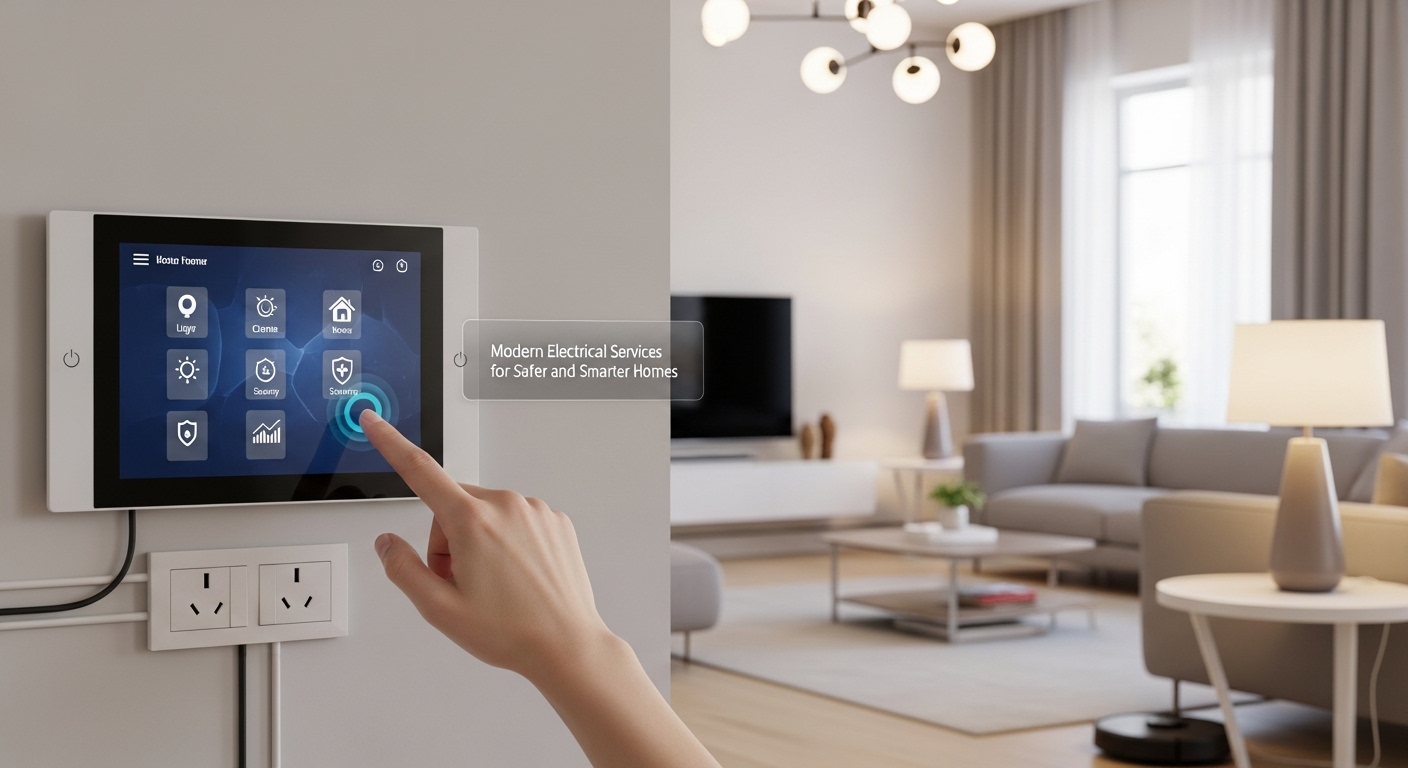
11 Feb Modern Electrical Services for Safer and Smarter Homes
Key Takeaways
- Smart electrical upgrades offer significant boosts to safety and day-to-day convenience.
- Routine inspections are necessary to mitigate risks and identify electrical hazards early.
- Investing in energy-efficient options helps both your wallet and the environment.
As technology progresses, the expectations for home safety and convenience continue to shift. More homeowners are choosing advanced electrical services to safeguard their properties and streamline daily routines. This evolution means integrating smart devices and adopting state-of-the-art electrical solutions that address both current and future needs. If you are looking to modernize your electrical system, working with a trusted professional like Capitol Hill Electric ensures upgrades are done safely and efficiently, with an eye toward innovation and reliability.
Modern electrical services go far beyond basic wiring and lighting. Today’s solutions focus on maximizing security, energy efficiency, and long-term sustainability. These changes are not only about embracing convenience but protecting your home from electrical failures and keeping pace with how households are evolving. Upgrading now can help you avoid costly repairs, minimize safety risks, and add lasting value to your property.
One major factor driving the demand for more innovative electrical solutions is the increasing use of electronic devices and appliances in the average home. As families adopt more technology, the need for electrical systems that can safely and intelligently handle greater loads has grown significantly. Growing awareness of energy consumption and home automation also encourages more people to consider comprehensive upgrades that align with their lifestyle and sustainability goals.
Whether you aim to protect sensitive electronics, reduce monthly bills, or enjoy greater convenience, the right electrical improvements can make a significant difference. These enhancements can be tailored to your unique needs, blending traditional safety requirements with cutting-edge innovative features.
Smart Circuit Breakers and Surge Protection
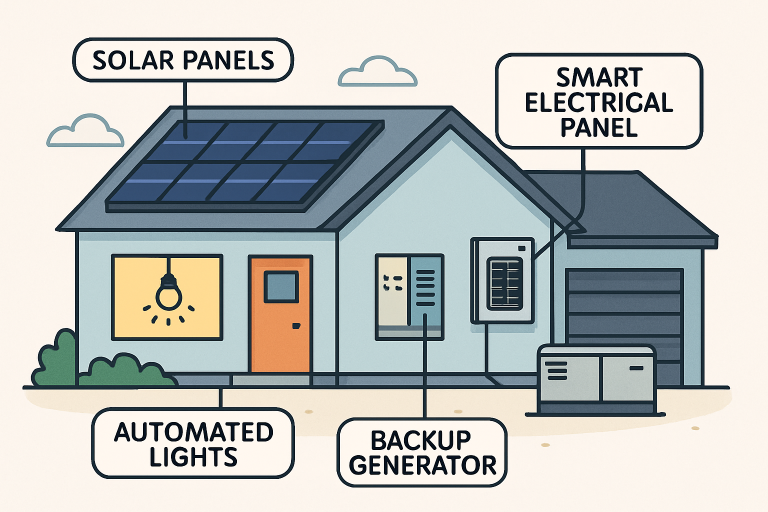
The evolution from standard circuit breakers to smart panels has redefined how homeowners interact with their electrical systems. Smart circuit breakers offer real-time remote monitoring and control, allowing you to monitor your home’s energy consumption from your smartphone or other connected devices. This empowers homeowners to respond to issues immediately, such as isolating a faulty circuit to prevent further problems, and even to receive automated maintenance notifications. Integrated surge protection provides a strong safeguard for high-value electronics, especially as the number of devices in homes continues to climb. According to The New York Times, surge protectors should be replaced every few years to ensure continued protection.
Automated Lighting Systems
Automated lighting systems are a top choice for boosting both security and efficiency. Homeowners can now use programmable schedules, motion detectors, and mobile apps to control lights from virtually anywhere. These streamlined features not only help reduce unnecessary energy consumption but also provide peace of mind. For example, lights that turn on when you enter a room or illuminate exterior walkways upon detecting motion can deter intruders and ensure safe passage for your family after dark. The CNET Smart Home Guide highlights that the adaptability of these systems supports everything from setting nighttime routines to managing vacation lighting schedules, all contributing to smarter, safer homes.
Enhanced Electrical Panel Upgrades
Older electrical panels are not always equipped to handle today’s power-hungry devices. Upgrades are often necessary as households add electric vehicle chargers, smart appliances, and other high-draw electronics. Replacing outdated electrical panels improves your home’s safety, increases available capacity, and future-proofs the space for continued modernization. An expert electrician can evaluate your current setup, recommend the right upgrades, and ensure everything meets present code and safety standards.
Energy-Efficient Solutions
Energy efficiency is now a driving consideration in every aspect of home electrical services. Intelligent monitoring systems, for example, provide homeowners with granular details about their power usage, identifying where energy is wasted and how to adjust consumption accordingly. Replacing traditional light bulbs with LEDs, investing in energy-efficient appliances, and properly sizing circuits can drastically cut energy bills while reducing environmental impact. These investments often pay for themselves over time in utility savings and increased home value.
Backup Power Solutions
Reliable power is essential, especially in areas prone to storms or unpredictable outages. Standby generators remain a trusted backup, but more homes are adopting fully integrated solutions tied directly to their electrical panels for automatic, seamless transition during an outage. Properly maintained and installed systems are critical for preventing hazards such as backfeeding or generator overload, keeping your home safe and functional under any circumstances.
Regular Electrical Inspections
Routine inspections remain one of the most essential steps for home safety. Licensed electricians thoroughly assess wiring, circuits, connections, and device integrity to spot worn components and outdated fixtures before they cause serious problems. These inspections are not only vital for spotting hidden hazards. Still, they are often required to keep insurance policies valid or homes up to code, especially in older properties undergoing renovations or upgrades.
Conclusion
Staying proactive with electrical upgrades and regular maintenance ensures your home stays secure, efficient, and ready for the future. With innovative solutions and energy-efficient systems, homeowners benefit from safer environments and reduced costs. Trusting trained professionals to implement modern improvements makes all the difference in preventing hazards, accommodating new technologies, and maintaining a comfortable, connected living space.
Sorry, the comment form is closed at this time.