

30 Sep How Routine Septic System Maintenance Prevents Costly Repairs
Key Takeaways
- Routine maintenance helps homeowners avoid expensive septic emergencies and premature system replacements.
- Proper use, timely inspections, and responsible waste management support efficient system operation.
- Environmental stewardship and health protection go hand-in-hand with septic system care.
Routine septic system maintenance is more than a home care chore—it’s a proactive strategy that saves homeowners time, money, and stress. With the right preventative steps and regular attention, you can avoid emergency breakdowns, preserve your property’s value, and keep your household running smoothly. Connecting with reliable septic service providers ensures the longevity of your system, helping you sidestep major headaches down the road.
Neglecting septic maintenance can result in disruptive overflows, costly repairs, and serious health risks. Understanding the essentials of proper upkeep empowers you to take control of your system’s health. The right care schedule is not just about compliance—it’s about ensuring your family and community are protected from preventable hazards.
Understanding Your Septic System
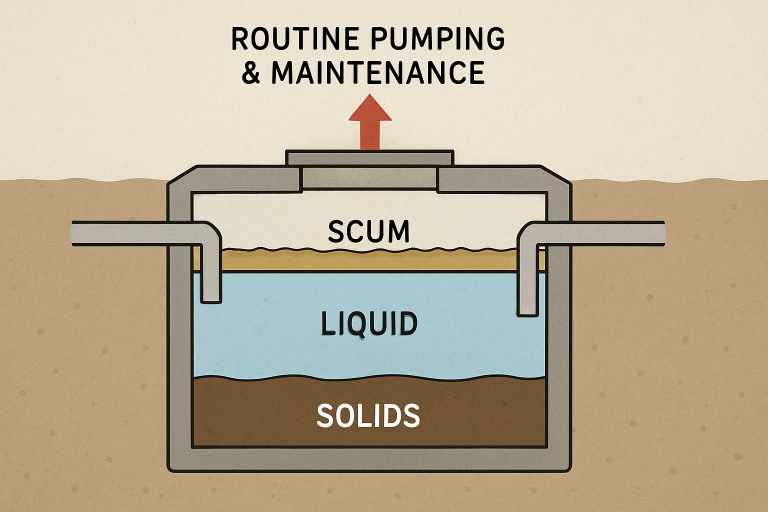
A household septic system is designed to process wastewater by separating solids and liquids, gradually breaking down waste. Solids settle to the bottom of the tank, forming a sludge layer, while lighter materials float to the top as scum. Over time, both layers build up, making routine pumping and monitoring essential. A failure to maintain these components risks overwhelming the entire system—and could even put your home’s water supply at risk.
Each household’s system is unique, with factors like tank size, household occupancy, and daily water use all influencing maintenance needs. If left unchecked, heavy sludge or scum can block critical components or cause backups, requiring urgent—and often costly—repairs. Homeowners are wise to familiarize themselves with their system’s design and maintenance schedule, so they can address minor issues before they escalate.
The Importance of Regular Inspections
Septic system inspections, typically recommended every three years, are invaluable preventative measures. Qualified professionals can spot signs of trouble—such as damaged baffles, cracks, or developing blockages—long before these issues become catastrophic. The U.S. Environmental Protection Agency highlights routine inspections as a key way to minimize unnecessary repair costs and system failure.
Septic Tank Pumping: A Critical Task
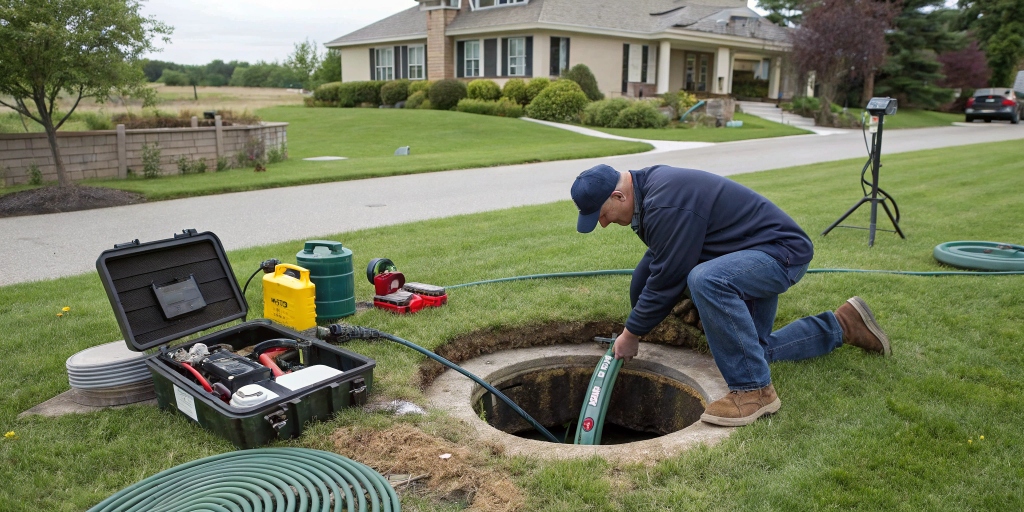
For most households, septic tanks should be pumped every three to five years to remove the accumulating layers of sludge and scum. Frequency depends on tank size, total water use, and the number of residents. Missing scheduled pumping can lead to system blockages, wastewater backups, and even irreversible drain field damage. The small investment in regular pumping pays for itself, sparing homeowners from the major costs of large-scale repairs or full replacements.
Proper Waste Disposal Practices
The longevity and efficiency of your septic system depend largely on what you flush or pour down the drain. Non-biodegradable items—like wipes, diapers, or feminine hygiene products—can quickly clog pipes and fill tanks, causing expensive malfunctions. Similarly, pouring fats, oils, or grease down the kitchen sink creates sticky build-up in pipes, threatening entire septic systems. Responsible usage starts with education; ensure everyone in your household knows what’s safe for the drains and what isn’t.
Water Conservation: Less Is More
Excessive water use is a common but preventable cause of septic system overload. Large volumes of water can push solids into the drain field before properly breaking down, resulting in clogs and premature failure. Simple strategies—such as fixing leaky fixtures, installing low-flow toilets and showerheads, and staggering laundry loads—help limit water waste and extend your system’s functional life.
Recognizing Warning Signs
Staying alert to common septic system warning signs lets homeowners catch problems early. Look out for slow-draining sinks and showers, persistent unpleasant odors, lush patches of grass over the drain field, or water pooling in the yard. If these symptoms appear, immediate action is necessary, as swift intervention can often limit the scope and cost of repairs.
Environmental and Health Considerations
Poorly maintained septic systems can leak harmful bacteria and chemicals into soil and water, endangering the environment and public health. Not only can this contaminate local groundwater supplies, but it can also result in widespread health risks within your community. Regular maintenance ensures that your system treats wastewater effectively, upholding your family’s well-being and legal responsibilities as a homeowner.
Final Thoughts
Proactive septic system maintenance is an investment in your property’s future. From scheduling regular inspections to adhering to smart waste disposal habits and conserving water, each step reduces the risk of major repairs and supports a healthier home environment. By committing to a comprehensive care plan and partnering with skilled professionals, you can enjoy peace of mind and avoid unnecessary expenses for years to come.
Sorry, the comment form is closed at this time.