

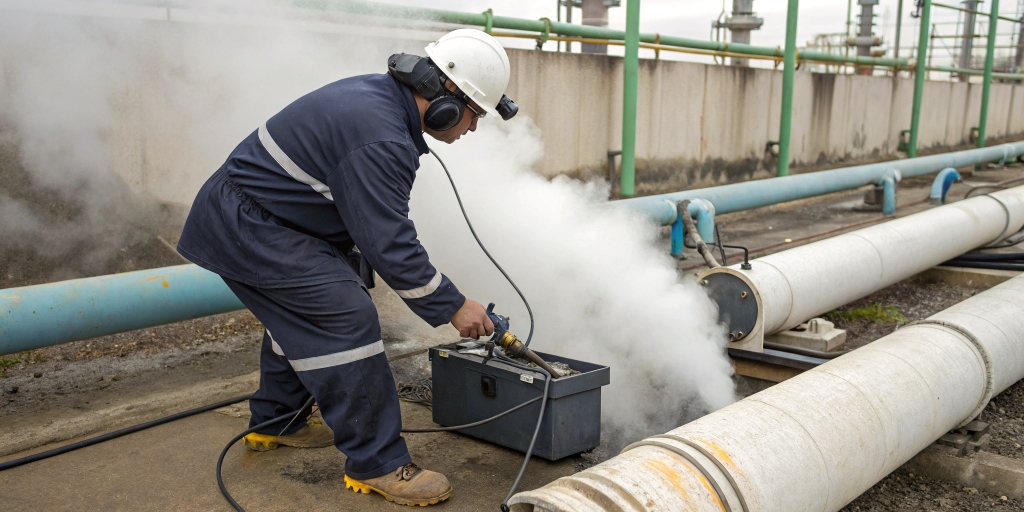
13 Feb How Pipeline Smoke Testing Helps Prevent Costly Plumbing Problems
Key Takeaways
- Pipeline smoke testing is a non-invasive method for detecting hidden leaks and faults in plumbing systems.
- Early identification of problems can prevent extensive water damage and save significant repair costs.
- Smoke testing uses safe, odorless smoke and is suitable for almost any property or municipal system.
- Routine testing supports compliance with environmental standards and building codes.
Maintaining a healthy plumbing system is vital for both homeowners and businesses. Unnoticed leaks or faulty connections can lead to expensive repairs, water damage, and even health hazards. One particularly effective way to detect these hidden issues is through pipeline smoke testing. This proactive diagnostic method helps property owners identify and address plumbing problems before they escalate, providing peace of mind and long-term savings. Property managers, contractors, and municipalities increasingly turn to tools like a smoke pump tester as part of their comprehensive maintenance strategies.
Pipeline smoke testing introduces non-toxic smoke into plumbing and sewer systems, revealing leaks or faulty joints where the smoke escapes. Unlike more invasive inspections, this process can quickly highlight problem areas without disrupting property or requiring major excavation. It is a practical solution for large-scale municipal systems and individual buildings.
By investing in smoke testing, property owners benefit from early detection, helping prevent the spread of water damage that can lead to costly mold removal or structural repairs. Importantly, this method is suitable for both old and new systems and is recommended by industry professionals as a standard part of plumbing maintenance.
Scheduling regular smoke tests also ensures compliance with environmental and plumbing codes, minimizing legal risks and protecting local water resources. This not only preserves system performance but also demonstrates a proactive commitment to ecological responsibility. According to the Environmental Protection Agency, routine testing and prompt repairs are essential for preventing untreated wastewater from reaching natural water sources.
What Is Pipeline Smoke Testing?
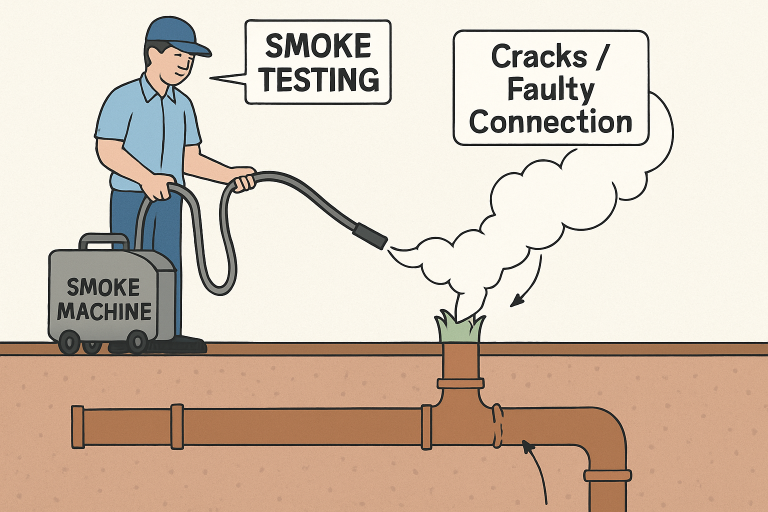
Pipeline smoke testing is a specialized process used to detect hidden defects, such as cracks, loose joints, and illegal connections, in plumbing or sewer lines. Technicians introduce smoke that is safe, non-staining, and odorless into the pipes. As the smoke travels through the system, it exits from any area with a fault or an unwanted opening, visually pinpointing the location. Unlike traditional methods that may require excavation or dismantling, smoke testing is a quick and efficient way to check large sections of piping infrastructure without unnecessary disruption.
Benefits of Smoke Testing
- Early Leak Detection: Smoke testing identifies even the most minor leaks and weak points before they cause water damage, rot, or costly mold growth.
- Cost-Effective Maintenance: Addressing minor plumbing issues early helps prevent costly emergency repairs and water loss over time.
- Environmental Protection: Fixing sewer defects can prevent untreated sewage from entering local soil and water, protecting natural resources and public health.
- Compliance Assurance: Regular smoke tests help property owners comply with municipal or statewide plumbing regulations, reducing compliance-related risks and penalties.
How Smoke Testing Works
The smoke testing process follows a precise sequence of steps:
- Preparation: Technicians isolate and seal the section of the pipeline to be tested, making sure all system access points are secure except the intended test area.
- Smoke Introduction: Using a specialized device, smoke is pumped into the sealed system under controlled pressure.
- Observation: As smoke travels through the pipes, technicians watch for visible smoke output, which indicates leaks or weaknesses at specific locations above or below ground.
- Documentation: Findings are recorded, with a precise map of affected areas and detailed recommendations for repairs or further action.
When to Conduct Smoke Testing
Smoke testing can be included in a variety of maintenance and assessment situations, such as:
- Routine Maintenance: Conducted annually or biannually as a preventative measure to maintain reliable plumbing system performance.
- After Major Weather Events: Inspections following heavy storms, floods, or earthquakes can uncover unexpected pipe damage or shifting.
- Before Property Transactions: Buyers and sellers benefit from a clear assessment of a plumbing system’s health before closing on a property, reducing liability for undisclosed problems.
Preparing for Smoke Testing
- Inform Occupants: It is essential to notify anyone living or working in the building before testing. This helps avoid unnecessary alarms if smoke is seen escaping from drains or vents.
- Seal Drains: Pour water into any floor or fixture drains that are not used regularly. This ensures that water traps are full and prevents smoke from entering the building.
- Secure Pets: Keep all pets away from work areas during testing to avoid stress or accidental exposure to the test environment.
Case Studies
Municipalities across the country have documented significant savings and risk reduction by implementing regular smoke testing. In the City of Moline, for example, extensive smoke testing in local neighborhoods led to a substantial decrease in stormwater infiltration, helping prevent sewer overflows and backups. This program effectively saved both public funds and homeowners from the expense of remediation.
St. Johns County Utility Department successfully conducted a smoke-testing campaign to identify points of inflow and infiltration in its wastewater collection system. By systematically addressing these trouble spots, the county improved system efficiency and protected local waterways from untreated wastewater contamination.
Conclusion
Pipeline smoke testing is a vital technique for preventing major plumbing failures and unanticipated expenses. By detecting hidden problems early, property owners and municipalities can maintain compliance, uphold safety standards, and proactively protect their investments. Regular smoke testing not only ensures ongoing reliability but also contributes to a cleaner, safer community. Make pipeline smoke testing a key part of your ongoing maintenance to avoid costly surprises and promote responsible property stewardship.
Sorry, the comment form is closed at this time.