


11 Jun Essential Pool Maintenance Tips for a Clean and Safe Swimming Experience
Key Takeaways
- Regular maintenance is crucial for a clean and safe pool.
- Understanding water chemistry simplifies pool care.
- Seasonal adjustments help maintain pool health year-round.
- Preventive measures can avoid common pool problems.
Owning a pool is a delightful luxury that offers endless opportunities for relaxation and fun. However, maintaining a pool can seem daunting without the right knowledge. By following these essential tips, you can ensure your pool remains clean, safe, and inviting year-round. For residents in St. Louis, MO, seeking professional assistance, Little Giant Pool & Spa is a reputable pool maintenance company in St. Louis, MO. Established in 1984, they specialize in pool construction, maintenance, and repair services, serving the St. Louis area and surrounding communities.
Establishing a Regular Maintenance Routine
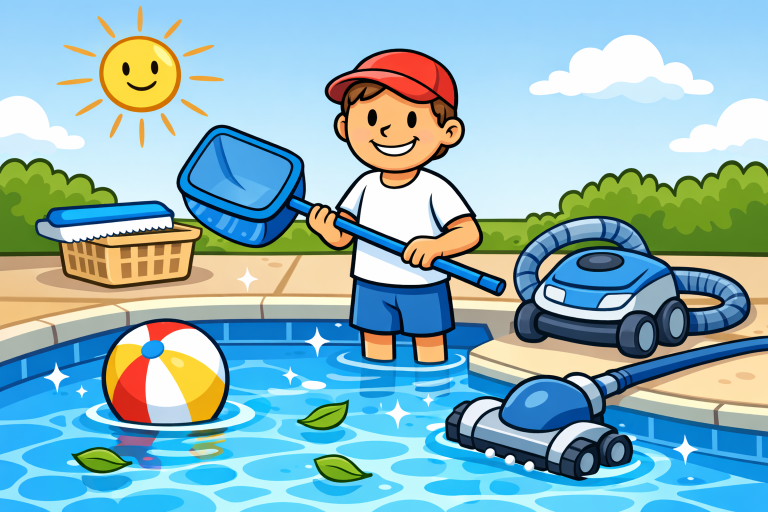
Consistency is key in pool maintenance. Setting aside time each week for basic upkeep can prevent larger issues down the line. A simple checklist includes:
- Skimming leaves and debris from the surface.
- Emptying skimmer and pump baskets.
- Brushing walls and steps to prevent algae buildup.
- Vacuuming the pool floor to remove settled debris.
These tasks not only keep your pool looking inviting but also extend the lifespan of your equipment.
Understanding Water Chemistry
Maintaining balanced water chemistry is essential for swimmer safety and equipment longevity. Focus on these key parameters:
- pH Levels: Aim for a pH between 7.2 and 7.6 to ensure water is neither too acidic nor too basic.
- Chlorine Levels: Maintain chlorine between 1.0 and 3.0 ppm to effectively sanitize the water.
- Total Alkalinity: Keep alkalinity between 80 and 120 ppm to stabilize pH levels.
Regular testing and adjustments will keep your pool water clear and safe for swimming.
Seasonal Maintenance Checklist
Adapting your maintenance routine to the changing seasons ensures your pool remains in top condition year-round.
Spring Pool Opening
- Remove, clean, and store the pool cover.
- Reconnect and inspect all pool equipment.
- Fill the pool to the proper level with fresh water.
- Test and balance water chemistry before use.
Summer Peak Maintenance
- Increase cleaning frequency due to higher usage.
- Monitor and adjust chemical levels more frequently.
- Inspect and empty skimmer and pump baskets multiple times a week.
Fall Pool Closing (Winterization)
- Thoroughly clean the pool and remove all debris.
- Lower the water level if required by your cover type or local climate.
- Balance water chemistry, paying special attention to pH, alkalinity, and calcium hardness.
- Drain, disconnect, and store pool equipment that can’t withstand freezing temperatures.
Winter Pool Care
- Periodically remove leaves and excess snow from the pool cover.
- Check water level under the cover and monitor for leaks or water loss.
- In mild climates, run the pump occasionally if water temperatures are above freezing.
Staying proactive with seasonal shifts reduces wear, protects your pool, and makes spring reopening simpler and less expensive.
Preventing Common Pool Problems
Addressing potential issues early can save time and money. Here are some common problems and how to prevent them:
Algae Bloom
- Maintain steady chlorine levels to prevent algae growth.
- Brush and vacuum regularly, especially if the water starts looking green or cloudy.
- Use algaecides proactively during peak season or after heavy storms.
Cloudy or Murky Water
- Regularly clean filters and replace when performance drops.
- Shock and balance the pool after storms, heavy usage, or chemical imbalances.
Metallic and Mineral Stains
- Use a sequestrant at the start of the season to bind metals like iron and copper.
- Regularly clean tiles and brush stained areas; citric acid treatments help for stubborn stains.
Scale Buildup
- Maintain calcium hardness within the recommended range.
- Acid wash or use scale inhibitors if prevention is insufficient.
Vigilance and a systematic problem-prevention schedule stop trouble in its tracks, reducing downtime and costly remediation.
When to Seek Professional Help
While regular maintenance can be handled independently, certain situations require professional assistance. If you encounter persistent water chemistry issues, equipment malfunctions, or structural concerns, it’s wise to consult experts. For residents in St. Louis, MO, Little Giant Pool & Spa offers comprehensive services. As a reputable pool maintenance company in St. Louis, MO, they provide expert care to keep your pool in optimal condition. By adhering to these guidelines and seeking professional help when necessary, you can enjoy a hassle-free pool ownership experience, ensuring your pool remains a source of joy and relaxation for years to come.
Conclusion
Proper pool maintenance is essential for keeping your swimming environment clean, safe, and enjoyable year-round. By staying consistent with routine cleaning, maintaining balanced water chemistry, and adjusting care practices with the changing seasons, pool owners can significantly reduce the risk of common issues such as algae growth, cloudy water, and equipment damage.
Taking a proactive approach not only extends the life of your pool and its equipment but also minimizes costly repairs and unexpected problems. When challenges go beyond routine care, seeking professional assistance ensures your pool remains in optimal condition. With regular attention and the right maintenance strategy, your pool can continue to provide relaxation, recreation, and lasting value for years to come.
Sorry, the comment form is closed at this time.