


21 Jul Benefits of Low-E Glass Replacement
Windows play a critical role in a home’s comfort, energy efficiency, and aesthetic appeal. Upgrading to low-emissivity (low-E) glass can significantly enhance these aspects, making it a smart investment for homeowners looking to improve their living spaces. Low-E glass is designed to minimize heat transfer while allowing natural light to enter, offering a range of benefits from energy savings to improved indoor comfort. For those considering window upgrades, companies like Accure Home provide expert solutions to ensure a seamless replacement process. This article explores the key advantages of low-E glass replacement, its impact on home efficiency, and why it’s a worthwhile choice for modern homeowners.
What Is Low-E Glass?
Low-E glass is coated with a thin, transparent layer of metallic oxide that reflects infrared heat while allowing visible light to pass through. This technology helps regulate indoor temperatures by keeping heat out in summer and retaining warmth in winter. Unlike traditional glass, low-E glass is engineered to enhance energy efficiency without compromising natural light. Homeowners undertaking window replacement projects often need to consider proper installation techniques, such as using the j channel around windows to ensure a secure and weather-tight fit. Properly installed low-E glass can transform a home’s performance, making it an ideal choice for those seeking long-term savings and comfort.
Key Benefits of Low-E Glass Replacement
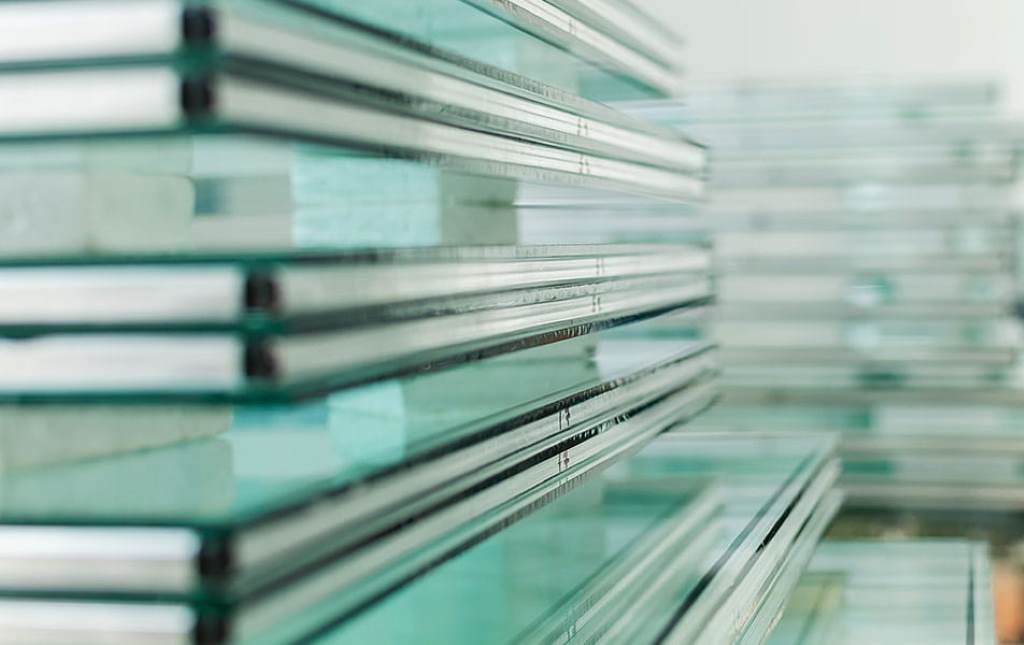
Replacing old windows with low-E glass offers multiple advantages that cater to both practical and aesthetic needs. Below are the primary benefits that make low-E glass a top choice for homeowners.
Energy Efficiency and Cost Savings
Low-E glass significantly reduces energy consumption by minimizing heat transfer. According to the U.S. Department of Energy, windows with low-E coatings can reduce energy loss by 30-50% compared to standard windows. This efficiency translates to lower heating and cooling bills, as HVAC systems require less energy to maintain comfortable indoor temperatures. For example, in hot climates, low-E glass reflects solar heat, reducing the need for air conditioning. In colder regions, it traps indoor heat, decreasing reliance on heating systems. Over time, these savings can offset the initial cost of replacement, making low-E glass a cost-effective solution.
Enhanced Indoor Comfort
Maintaining consistent indoor temperatures is a challenge for homes with outdated windows. Low-E glass addresses this by reducing drafts and temperature fluctuations. It blocks infrared rays that cause heat buildup, keeping interiors cooler in summer. During winter, the reflective coating prevents indoor heat from escaping, creating a warmer environment. Additionally, low-E glass reduces the “cold glass” effect, where windows feel chilly to the touch, enhancing overall comfort for residents.
UV Protection for Furniture and Flooring
Ultraviolet (UV) rays from the sun can fade furniture, flooring, and artwork over time. Low-E glass blocks up to 99% of harmful UV rays, protecting interior furnishings from damage. This feature is particularly valuable for homes with large windows or sun-exposed rooms, as it preserves the longevity and appearance of carpets, upholstery, and wooden surfaces. By reducing UV exposure, low-E glass helps homeowners maintain the aesthetic value of their interiors without investing in costly protective treatments.
Improved Natural Lighting
Unlike tinted windows, low-E glass allows ample natural light to enter while filtering out harmful rays. This balance creates bright, inviting spaces without the drawbacks of excessive heat or UV damage. Natural light has been shown to improve mood and productivity, making low-E glass an excellent choice for creating healthier living environments. Furthermore, maximizing daylight reduces the need for artificial lighting, contributing to additional energy savings.
Increased Property Value
Upgrading to low-E glass can boost a home’s market value. Energy-efficient features are highly sought after by buyers, as they signal lower utility costs and modern design. According to the National Association of Realtors, energy-efficient upgrades like new windows can improve a home’s resale value and attract eco-conscious buyers. Low-E glass replacement not only enhances functionality but also positions a property as a premium, sustainable option in the real estate market.
Environmental Impact
Reducing energy consumption through low-E glass contributes to a smaller carbon footprint. By lowering the demand for heating and cooling, homeowners can decrease their reliance on fossil fuel-based energy sources. This aligns with growing environmental awareness and supports sustainable living practices. For environmentally conscious homeowners, low-E glass offers a practical way to contribute to global conservation efforts while improving their homes.
Considerations for Low-E Glass Replacement
While low-E glass offers numerous benefits, proper installation is critical to maximizing its performance. The installation process requires precision to ensure airtight seals and proper alignment. Using techniques like installing j channel around windows helps create a secure frame that prevents air leaks and water infiltration. Homeowners should work with experienced professionals to ensure the replacement process meets industry standards. Additionally, selecting the right type of low-E coating is essential, as different coatings are designed for specific climates. For instance, high-solar-gain coatings are ideal for colder regions, while low-solar-gain coatings suit warmer climates.
Read Also:
Window Treatments 2025: Blending Functionality with Aesthetic Appeal
When Is Window Repair Near Me a Better Choice Than Full Replacement?
Cost and Return on Investment
The upfront cost of low-E glass replacement varies depending on window size, frame material, and installation complexity. However, the long-term savings on energy bills and the potential increase in property value make it a worthwhile investment. Many utility companies offer rebates or incentives for energy-efficient upgrades, further offsetting costs. Homeowners should consult local providers or government programs to explore available financial incentives.
Maintenance and Durability
Low-E glass is designed for durability and requires minimal maintenance. The coatings are applied during manufacturing, ensuring they are protected within the glass layers and resistant to wear. Regular cleaning with non-abrasive solutions keeps low-E windows in top condition. Additionally, modern window frames, such as vinyl or fiberglass, complement low-E glass by offering resistance to weathering and corrosion, further extending the lifespan of the replacement.
FAQs
Why should I choose low-E glass over standard glass?
Low-E glass offers superior energy efficiency, UV protection, and indoor comfort compared to standard glass. It reduces heat transfer, protects furnishings from fading, and lowers energy bills, making it a smart choice for modern homes.
How does low-E glass affect heating and cooling costs?
Low-E glass minimizes heat loss in winter and heat gain in summer, reducing the workload on HVAC systems. This can lead to energy savings of 30-50%, depending on the climate and window quality.
Is low-E glass suitable for all climates?
Yes, low-E glass is versatile and can be tailored to different climates. High-solar-gain coatings are ideal for colder regions, while low-solar-gain coatings work best in warmer areas to reflect heat.
How long does low-E glass last?
Low-E glass is highly durable, with coatings integrated into the glass during manufacturing. With proper installation and maintenance, it can last for decades without losing effectiveness.
Can low-E glass be installed in existing window frames?
In many cases, low-E glass can be retrofitted into existing frames, depending on their condition. A professional assessment is recommended to ensure compatibility and proper sealing.
Conclusion
Low-E glass replacement offers a compelling combination of energy efficiency, comfort, and aesthetic benefits. By reducing energy costs, protecting interiors from UV damage, and enhancing natural lighting, low-E glass transforms homes into more sustainable and enjoyable spaces. Its ability to increase property value and contribute to environmental conservation further solidifies its appeal. For homeowners considering this upgrade, proper installation techniques, such as using j channel around windows, ensure optimal performance. By choosing low-E glass, homeowners can enjoy long-term savings, improved comfort, and a modernized home that aligns with today’s energy-conscious standards.
Sorry, the comment form is closed at this time.