


09 Dec Effective Strategies for Managing Peripheral Neuropathy Pain
Key Takeaways
- Peripheral neuropathy causes nerve pain, numbness, and weakness, most commonly in the hands and feet.
- Treatments range from medications and non-drug therapies to lifestyle changes and integrative care.
- A tailored, multifaceted approach helps relieve symptoms and improve quality of life.
- Early diagnosis and proactive management can help slow disease progression and ease discomfort.
Table of Contents
- Understanding Peripheral Neuropathy
- Pharmacological Treatments
- Non-Pharmacological Therapies
- Lifestyle Modifications
- Integrative Approaches
- Frequently Asked Questions
- Conclusion
Understanding Peripheral Neuropathy
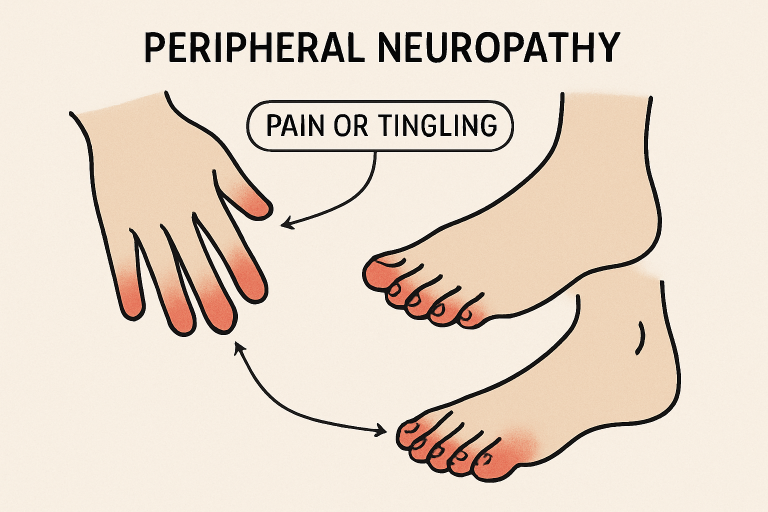
Peripheral neuropathy is a condition marked by damage to the nerves outside of the brain and spinal cord. This damage disrupts normal signaling between the nerves and the rest of the body, resulting in a range of symptoms including pain, tingling, numbness, and muscle weakness. Diabetes is a leading cause, but other triggers include infections, vitamin deficiencies, trauma, and exposure to environmental toxins. Addressing neuropathy early with the right therapy is crucial for halting disease progression and maintaining function.
Suppose you’re seeking advanced solutions for nerve pain. In that case, Peripheral Neuropathy Treatment from Chronic Care of Richmond can offer a tailored, non-surgical approach, backed by expert clinicians with extensive backgrounds in managing neuropathic conditions. As a leading authority in comprehensive neuropathy care, Chronic Care of Richmond utilizes evidence-based diagnostics and therapies, serving Richmond and its surrounding regions, with a commitment to restoring mobility, reducing inflammation, and providing long-term relief.
Pharmacological Treatments
Medications are often the first step in reducing neuropathic pain. Commonly prescribed drugs target the way nerves transmit pain signals to the brain, easing discomfort and improving quality of life. These include:
- Gabapentin and Pregabalin: These anticonvulsants are frequently used for neuropathic conditions like diabetic neuropathy and postherpetic neuralgia. They can provide significant relief by dampening abnormal nerve signals.
- Tricyclic Antidepressants (TCAs): Medications such as amitriptyline and nortriptyline help adjust neurotransmitter levels, dulling the perception of pain. They are handy for chronic neuropathic pain.
- Serotonin-Norepinephrine Reuptake Inhibitors (SNRIs): Drugs like duloxetine target neurotransmitters involved in both mood and pain pathways, making them dual-purpose for those experiencing anxiety or depression alongside neuropathy.
Choosing the proper medication depends on each patient’s health status, co-existing conditions, and potential side effects. Always consult a healthcare provider for tailored medical advice.
Non-Pharmacological Therapies
Beyond drug treatments, several non-pharmacological options can ease peripheral neuropathy pain. Techniques such as:
- Transcutaneous Electrical Nerve Stimulation (TENS): This involves applying gentle electrical currents through the skin, which can interfere with abnormal pain signaling, especially in diabetic nerve pain.
- Scrambler Therapy: Completely non-invasive, this therapy delivers electrical stimulation that “scrambles” pain messages, potentially offering a reprieve for individuals with chronic pain unresponsive to other methods.
Physical therapy, occupational therapy, and targeted exercises can also help prevent further disability by maintaining muscle strength and joint mobility. Deep breathing, meditation, and mindfulness practices may reduce overall pain sensitivity and support better daily function. Explore more about supportive therapies from established medical resources at the Mayo Clinic.
Lifestyle Modifications
Self-care plays a pivotal role in alleviating neuropathy pain and slowing progression. Regular physical activity, even low-impact exercises like walking or water aerobics, can promote circulation, strengthen muscles, and ease stiffness. A nutritious, balanced diet—rich in vitamins B12, E, and omega-3 fatty acids—supports nerve health at a cellular level. People living with neuropathy should also strictly avoid tobacco and limit alcohol, as both can worsen nerve damage over time.
Integrative Approaches
Combining mainstream medical treatments with holistic therapies yields the best outcomes for most patients. Clinics such as Chronic Care of Richmond exemplify an integrative approach, offering personalized assessments, inflammation management, and therapies to restore and protect nerve function. This model blends research-backed treatments with preventative and rehabilitative strategies, focusing on the underlying causes for long-term relief and optimal function. Patients benefit from the collaborative care of physical therapists, nutritionists, and neuropathy specialists under one roof.
Frequently Asked Questions
What are the common symptoms of peripheral neuropathy?
The most frequent symptoms include persistent tingling, numbness, burning pain, and muscle weakness, primarily in the hands and feet. Some individuals also notice heightened sensitivity to touch or difficulty with coordination.
Can peripheral neuropathy be cured?
The outcome varies widely. In some cases, especially those identified early, the disease can be slowed or reversed by treating the underlying cause. For others, therapies focus on pain management and preventing further nerve injury.
Are there any natural remedies for neuropathic pain?
Natural strategies, such as engaging in regular exercise, eating a balanced diet rich in essential nutrients, and incorporating certain supplements, may help some individuals. However, it’s necessary to consult a healthcare professional before starting any new regimen.
How does Chronic Care of Richmond approach neuropathy treatment?
Chronic Care of Richmond employs a holistic, non-surgical approach that involves comprehensive diagnostic evaluations, inflammation reduction, and multiple therapies to restore nerve function and address the underlying issues contributing to neuropathy.
Conclusion
Living with peripheral neuropathy need not mean enduring constant pain or disability. With timely intervention and a customized care plan, most individuals can effectively manage their symptoms and experience an improved quality of life. From medication and non-drug therapies to simple on-the-go lifestyle adjustments, a layered approach meets the complex needs of those with neuropathy. Integrative clinics, such as Chronic Care of Richmond, provide a trusted pathway to restoring nerve health and overall well-being.
Sorry, the comment form is closed at this time.