

11 Jul Building Balanced Strength: How Functional Fitness Benefits Every Age
What Is Functional Fitness?
Functional fitness centers on movements that help individuals perform daily activities more efficiently and with less risk of injury. The focus isn’t just on isolating one muscle but on engaging several muscle groups, promoting a more natural and supportive approach to movement. Picture picking up a bag of groceries, rising effortlessly from a chair, or stepping over an obstacle—these actions reflect functional training principles. Unlike gym routines emphasizing bodybuilding or physique, functional fitness instead strives to enhance the body’s ability to handle everyday challenges. For those seeking a more personalized approach, especially older adults or those with specific needs, services like in-home personal training for seniors can bring these benefits directly to your living room, allowing for age-specific adaptations and maximum convenience.
The appeal of functional training is its accessibility and adaptability. Exercises are easily modified for various ability levels, making functional training possible for nearly everyone—young athletes, busy parents, and older adults alike. Functional fitness can be practiced with minimal equipment in nearly any space by focusing on primal patterns such as squatting, hinging, pushing, pulling, and rotating. Over time, these training methods help improve posture, boost cardiovascular health, and strengthen muscles and joints for an individual’s unique life demands. When woven into a regular exercise routine, functional fitness is a preventive strategy against injuries and a proactive way to maintain independence for years.
The Science Behind Functional Training
Science supports that training the body for function, not just form, delivers unique benefits. Functional workouts stimulate multiple muscle groups simultaneously, mirroring how the body naturally moves. These multi-joint, full-body exercises challenge the muscles to work together, which builds stability, coordination, and muscle endurance. By improving how the nervous system communicates with muscles, functional training overhauls the body’s efficiency in real-world tasks—playing with your grandchildren, lifting heavy boxes, or hiking on rocky terrain. More than just developing strength, the integration of balance, agility, and flexibility reduces the risk of injury and can speed up recovery from physical setbacks.
These multidimensional benefits are why functional training is often recommended for individuals returning from injury or surgery. It’s also a smart preventative measure; regular practice strengthens major muscle groups and tends to the smaller stabilizing muscles that guard against common joint injuries. Many physical therapists and trainers advocate these movements as the foundation for healthy aging and improved mobility. The holistic nature of functional training makes it a mainstay for many fitness professionals, athletes, and health-conscious individuals everywhere.
Benefits for Kids, Adults, and Seniors
Functional fitness has no age limit. Children who engage in coordinated movements early in life develop better balance, agility, and bodily awareness—essential qualities that fuel active play and make sports participation safer, both now and as they grow. For adults, functional training delivers time-efficient, powerful workouts to strengthen the body for work, household chores, and recreational activities, helping to ward off muscle imbalances and repetitive strain injuries. Research also indicates that multitasking movement patterns found in functional routines can help decrease the risk of cardiac issues and metabolic disease, providing a meaningful path to holistic health.
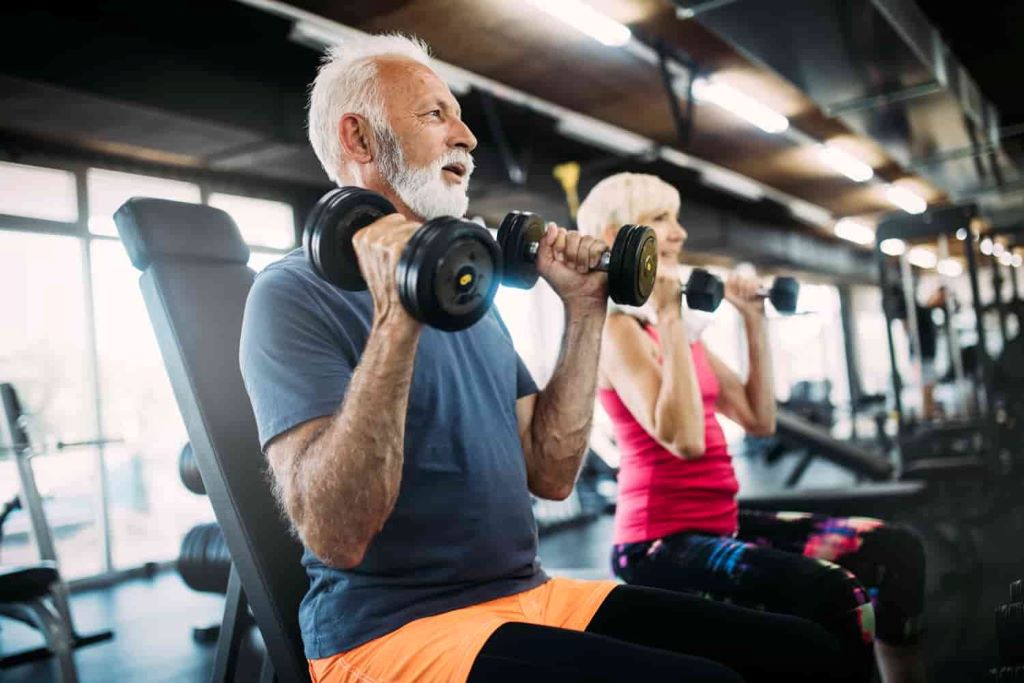
Seniors, meanwhile, may have the most to gain. As we age, muscle mass and bone density naturally decrease, leading to a heightened risk of falls and fractures. Regular, purposeful movement can prevent decline, improve balance, and foster independence. Functional fitness routines enhance the ability to rise from chairs, walk longer distances, climb stairs, and even play with grandchildren—activities that define quality of life. Beyond the physical, these routines can lead to sharper cognition, better mood, and increased social connections in a group setting.
5 Simple Functional Exercises to Try Today
- Bodyweight Squats: Start with your feet shoulder-width apart and lower your hips as if sitting in a chair. Squats build leg strength and make daily movements like getting up from a seat much easier.
- Push-Ups: From the floor or against a wall or countertop, push-ups strengthen the chest, shoulders, and core—helpful for reaching, pushing, and supporting your weight during everyday activities.
- Step-Ups: Using stairs or a sturdy platform, step one foot at a time, driving up with the lead leg. This mimics climbing stairs or stepping onto a curb, increasing leg strength, stability, and balance.
- Farmer’s Carry: Grab two moderate-weight objects (like grocery bags) and walk 20 to 30 feet. This exercise improves grip, posture, and core engagement, making real-world lifting and carrying much easier.
- Lunges: Step forward or back, lowering into a lunge while keeping your knees over your toes. Lunges train balance, stability, and functional strength for stepping or reaching in all directions.
Try incorporating a few sets of each into your weekly routine, adjusting movements or intensity to your comfort and ability. These exercises require little space and can be modified for all fitness levels, making them easy to practice at home or even during travel.
Balancing Strength and Mobility
Gaining strength is just one side of the fitness equation; maintaining or improving mobility is equally vital. Weak muscles can become tight, without flexibility, restricting movement and increasing the risk of strains and joint issues. Daily stretching or using foam rollers can help muscles recover and keep joints supple, preventing stiffness that often comes with aging or desk-bound routines. Practices like yoga or simple dynamic movements can promote fluidity, ensuring muscles and connective tissues stay healthy.
Emphasizing mobility helps seniors and those dealing with previous injuries maintain independence and reduce the risk of falls. Incorporating both stretching and strength work makes functional routines safe and sustainable across a lifetime. The ideal approach always balances muscle-building exercises with movements that promote a range of motion, allowing the body to move freely, efficiently, and pain-free.
Research-Backed Workouts for Lifelong Health
A large and growing body of research finds the best results come from combining multiple types of exercise: strength, aerobic, and balance training. Individuals who blend these elements tend to enjoy better fitness and better health outcomes—lower rates of cardiovascular disease, diabetes, and even depression. Evidence supports that engaging in multiple modalities improves bone density, coordination, and longer-lasting independence. Importantly, social or group activities often result in greater motivation and adherence, making it easier to maintain a routine week after week.
For optimal overall health, experts recommend aiming for a mix of functional strength sessions, short cardiovascular bursts, and mobility or stretching activities throughout each week. This variety keeps the body challenged and the mind engaged and helps prevent boredom or plateaus over time.
Tips to Start a Functional Fitness Routine
- Start Simple: Begin with foundational moves, gradually increasing complexity as confidence and strength grow.
- Pitch-Perfect Form: Focus on quality, not quantity—movement patterns are essential for results and safety.
- Stay Social: Exercising with family, friends, or a class builds accountability and creates a more fun, interactive experience.
- Respect Your Body: Listen to your body. Modify movements, rest when needed, and celebrate each step of progress rather than pushing too hard or too soon.
- Monitor Your Journey: Keep a simple journal or use an app to track improvements in reps, weights, balance, or stamina. Noting progress boosts motivation and helps identify when to increase the challenge.
How to Progress Safely Over Time
Building strength and functional fitness is a journey. As movements become easier, introducing challenges such as holding light dumbbells, moving at a slower tempo, or increasing repetitions can promote continued improvement. Steer clear of abrupt jumps in intensity; gradual increases protect joints and connective tissues and reduce injury risk. If you’re new to exercise, consulting a professional for assessment and customized programs is an excellent strategy for safe progress.
The key is to view fitness as a lifelong endeavor. Adjust activities to your changing needs, set reasonable goals, and continually embrace new challenges. Over time, these minor, consistent adjustments result in transformative improvements to physical and mental well-being.
Resources and Latest Functional Fitness News
Exploring trustworthy news and research ensures you stay updated with effective and safe training approaches. For a behind-the-scenes look at how functional training continues to gain momentum, check out the NBC News overview on why functional fitness training works. Regularly reviewing health resources such as the Mayo Clinic and National Institute on Aging can offer fresh routines, safety guidance, and the latest evidence. Bookmarking high-quality health and fitness blogs helps you discover new perspectives and keep your workouts motivating.
Sorry, the comment form is closed at this time.