

24 Aug Data-Driven Warehousing: Harnessing Analytics for Improved Storage
Key Takeaways
- Learn about the latest trends shaping the warehouse storage industry.
- Discover innovative technologies transforming storage solutions.
- Understand the importance of sustainability in modern warehouse practices.
Introduction
Technological advancements and changing consumer demands are driving significant shifts in the warehouse storage sector. Integrating innovations in warehouse storage is essential for businesses looking to boost efficiency, lower expenses, and enhance overall management. The need for agility and responsiveness in supply chain operations has never been higher. With e-commerce booming and customer expectations rising, the warehousing landscape is evolving rapidly. This article delves into some of the most exciting and revolutionary trends shaping the future of warehouse storage, highlighting the key advancements that every stakeholder should be aware of.
Automated Storage and Retrieval Systems (AS/RS)
One of the hallmarks of modern warehouse storage is the advent of Automated Storage and Retrieval Systems (AS/RS). These systems utilize robotics to automatically place and retrieve items from storage locations, thus speeding up operations and reducing human error. These systems are particularly advantageous for handling small to medium-sized items at high volumes, ensuring a more streamlined workflow.
- Enhanced storage density
- Reduced labor costs
- Improved accuracy
AS/RS technology also provides increased flexibility, enabling companies to grow their activities without altering the current infrastructure. For instance, companies have significantly reduced order processing times by integrating AS/RS into their warehouses. Similarly, other businesses have reported increased operational efficiency and better space utilization by using such systems. Automated systems can also adapt to different product sizes and weights, making them highly versatile.
The reduced labor costs associated with AS/RS enable companies to reallocate resources toward higher-value tasks, such as analysis and strategy, rather than manual labor. The initial investment in AS/RS technology can be substantial, but the long-term ROI often justifies the expenditure. Adopting these systems has set a new standard for productivity and efficiency within the industry, proving that automation is not a trend but an essential element of modern warehousing.
IoT and Smart Warehousing
The Internet of Things (IoT) transforms conventional warehouses into innovative warehousing ecosystems. These smart warehouses deploy sensors and connected devices that offer real-time data, helping businesses in better inventory management and predictive maintenance. Real-time tracking and monitoring can result in fewer stockouts and overstock situations, dramatically improving operational flow. Using IoT, for example, temperature sensors can monitor the condition of perishable goods, ensuring compliance with safety standards. This detailed oversight not only preserves product quality but also minimizes waste. Furthermore, IoT enables the automation of routine tasks, thereby increasing efficiency. Implementing IoT solutions in the warehouse can lead to significant cost savings and operational efficiencies.
The interconnected nature of IoT devices provides a synergy that transcends traditional warehousing limitations. Inventory management becomes more precise, with sensors updating stocks in real-time, eliminating manual checks. Predictive maintenance, powered by IoT data, helps identify potential equipment failures before they occur, thereby avoiding costly downtime. The strategic advantage provided by IoT technology in warehousing cannot be overstated, making it a crucial tool for future-ready supply chain management.
Sustainability in Warehouse Storage
Sustainability is no longer optional but necessary in today’s warehousing industry. Green building practices and energy-efficient technologies are widely adopted to minimize environmental impact while reducing operating costs. Critical sustainability practices in warehousing include:
- Green Warehouse Design: Using solar panels, LED lighting, and energy-efficient HVAC systems.
- Recycling Programs: Initiatives aimed at reducing waste and promoting recycling among warehouse staff.
Many industry leaders argue that these sustainable practices benefit the environment and prove cost-effective in the long run. Companies committed to sustainability are often viewed more favorably by both consumers and investors. Sustainability initiatives can also extend to packaging, focusing on using recyclable or biodegradable materials. For instance, a warehouse designed with energy-efficient systems can significantly reduce electricity consumption, cutting down utility costs. Additionally, recycling programs within the warehouse can reduce waste disposal expenses and create a more responsible corporate image. Sustainability in warehousing is more than a trend; it is a comprehensive approach to creating value while respecting the planet’s resources. These practices not only help in attracting eco-conscious customers but also contribute to long-term financial stability.
Data-Driven Decision Making
Adopting data analytics in warehouse management offers an additional layer of efficiency. By analyzing data trends and patterns, companies can make more informed decisions regarding inventory levels, workforce management, and predictive maintenance. Data-driven insights can help optimize all facets of warehouse operations. For example, by utilizing historical sales data, a business can forecast peak seasons and adjust stock levels accordingly. This anticipatory action ensures that the warehouse is always well-stocked and stocked. Companies that leverage data analytics are better equipped to meet consumer demands promptly and efficiently.
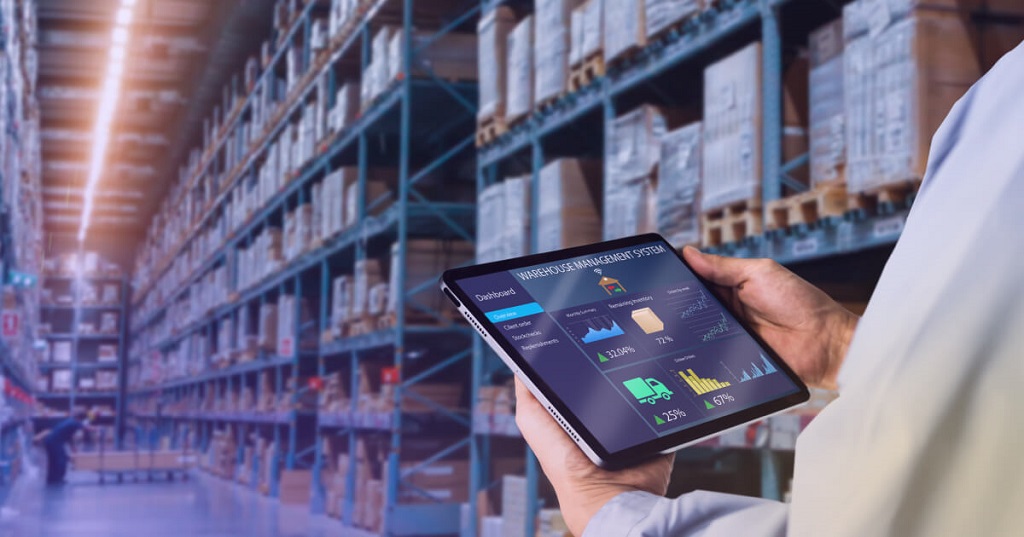
Moreover, data analytics tools enable managers to improve workforce productivity by identifying bottlenecks and streamlining processes. This kind of granular insight ensures that every aspect of warehouse operations is running at optimal efficiency. Real-time data dashboards give managers up-to-the-minute information on key performance indicators (KPIs), allowing instant and informed decision-making. Investing in data analytics is akin to having a 360-degree view of your warehouse ecosystem, enabling proactive rather than reactive management.
Conclusion
The future of warehouse storage holds immense potential as technology continues to advance. Businesses that stay current with these trends and embrace innovative solutions will streamline their operations and gain a competitive edge in the marketplace. From automated systems and IoT applications to sustainable practices and data-driven decision-making, the landscape of warehouse storage is evolving rapidly, promising greater efficiency and more effective management.

Sorry, the comment form is closed at this time.