


10 Apr Seasonal Sales: When Is the Best Time to Buy Earthmoving Equipment?
Acquiring earthmoving equipment represents a substantial investment for construction companies, contractors, and businesses involved in mining, agriculture, and infrastructure development. Making a well-informed decision about the timing of this purchase can significantly impact your budget and operational efficiency. While immediate project demands often dictate the need for new machinery, understanding the cyclical nature of the equipment market and seasonal sales patterns can unlock considerable cost savings. This comprehensive guide delves into the optimal times to buy earthmoving equipment, exploring the factors that influence pricing and availability throughout the year, and providing insights to help you make a strategic purchasing decision.
Understanding Market Dynamics and Seasonal Influences
The earthmoving equipment market, like many others, experiences fluctuations in demand and pricing influenced by various seasonal factors. These factors include construction cycles, agricultural seasons, manufacturer incentives, and end-of-year clearances. Recognizing these patterns can empower buyers to identify periods when negotiating favorable deals is more likely.
The Rhythm of Construction Seasons
In many regions, construction activity tends to peak during the warmer months – typically spring and summer. This surge in projects leads to increased demand for earthmoving equipment, potentially driving up prices and extending lead times for certain models. Conversely, the colder months, particularly late fall and winter, often witness a slowdown in construction projects in many parts of the world due to unfavorable weather conditions such as rain, snow, and shorter daylight hours. This lull in activity can translate to reduced demand for new equipment, creating opportunities for buyers.
During the off-season, dealerships and manufacturers may be more willing to offer discounts and incentives to move inventory. They might be facing lower sales volumes and be keen to secure deals before the end of their fiscal year or to make space for new models arriving in the spring. This period can be particularly advantageous for buyers who have the flexibility to plan their purchases in advance.
The Agricultural Calendar and Equipment Needs
The agricultural sector also plays a role in the demand for certain types of earthmoving equipment, such as tractors with loaders, excavators for drainage work, and bulldozers for land clearing. Planting and harvesting seasons typically see heightened activity, potentially increasing demand for related machinery. However, the specific timing of these peaks can vary significantly depending on the crop and the geographical region.
Similar to the construction industry, the period after harvest and before the next planting season can present opportunities for agricultural buyers. Dealers might offer discounts on equipment that hasn’t been sold during the peak season to clear their lots before new models become available.
Manufacturer Incentives and End-of-Year Goals
Equipment manufacturers often set sales targets and may offer special incentives, rebates, or financing options towards the end of their fiscal year to meet these goals. The timing of these fiscal years can vary from company to company, but it often aligns with the calendar year or ends in the late fall. Keeping an eye on manufacturer announcements and promotions during these periods can lead to significant savings.
Furthermore, as manufacturers prepare to release new models, dealerships may be eager to clear out existing inventory to make room. This can result in attractive discounts on current-year models, even if they are technologically similar to the upcoming releases. Buyers who are not necessarily looking for the absolute latest features can benefit from these clearance sales.
Economic Factors and Market Confidence
Broader economic conditions and market confidence levels also influence the demand and pricing of earthmoving equipment. During periods of economic uncertainty or recession, construction and agricultural investments may decrease, leading to lower demand and potentially more competitive pricing. Conversely, a booming economy can fuel increased demand and potentially higher prices. Staying informed about economic forecasts and industry trends can provide valuable context for your purchasing decisions.
Identifying the Prime Buying Windows
Based on the seasonal factors discussed above, several periods throughout the year emerge as potentially advantageous for buying earthmoving equipment.
Late Fall and Winter: The Off-Season Advantage
As construction and agricultural activities slow down in many regions, late fall (roughly October-November) and winter (December-February) often present the most favorable conditions for securing deals on earthmoving equipment. During this period:
- Lower Demand: Reduced project activity translates to less competition among buyers.
- Dealer Incentives: Dealerships may be more willing to negotiate to meet year-end sales targets or to move inventory during a slower period.
- Manufacturer Promotions: Manufacturers might offer special financing rates or rebates to stimulate sales during the off-season.
- Increased Availability: With fewer immediate buyers, you may have a wider selection of equipment to choose from and potentially shorter lead times for delivery.
However, it’s important to consider the specific climate and industry trends in your region. In areas with mild winters and continuous construction activity, the off-season advantage might be less pronounced.
End of Fiscal Quarters and Years
Keep an eye on the fiscal calendars of major equipment manufacturers and dealerships. They often have quarterly and annual sales targets to meet, which can lead to increased promotional activity towards the end of these periods. This could fall in March, June, September, and December for companies following a calendar year fiscal cycle. Reaching out to dealers towards the end of these periods and inquiring about potential discounts to help them meet their targets can be a fruitful strategy.
Model Year Transitions
The introduction of new equipment models typically occurs in the spring or early summer. As manufacturers launch their latest innovations, dealerships will be looking to clear out their remaining inventory of the previous year’s models. These “older” models can often be purchased at significant discounts, especially if the changes in the new model are not critical for your specific needs. Staying informed about upcoming model releases can help you identify these clearance opportunities.
Trade Shows and Industry Events
Major construction and agricultural trade shows often serve as platforms for manufacturers to announce new products and offer special deals to attendees. Attending these events or closely monitoring the announcements and promotions that arise from them can provide access to exclusive buying opportunities. These events typically occur at various times throughout the year, so staying informed about industry calendars is beneficial.
Related: Why Megaprojects in Global Construction Often Go Over Budget
Strategic Considerations for Your Purchase Timing
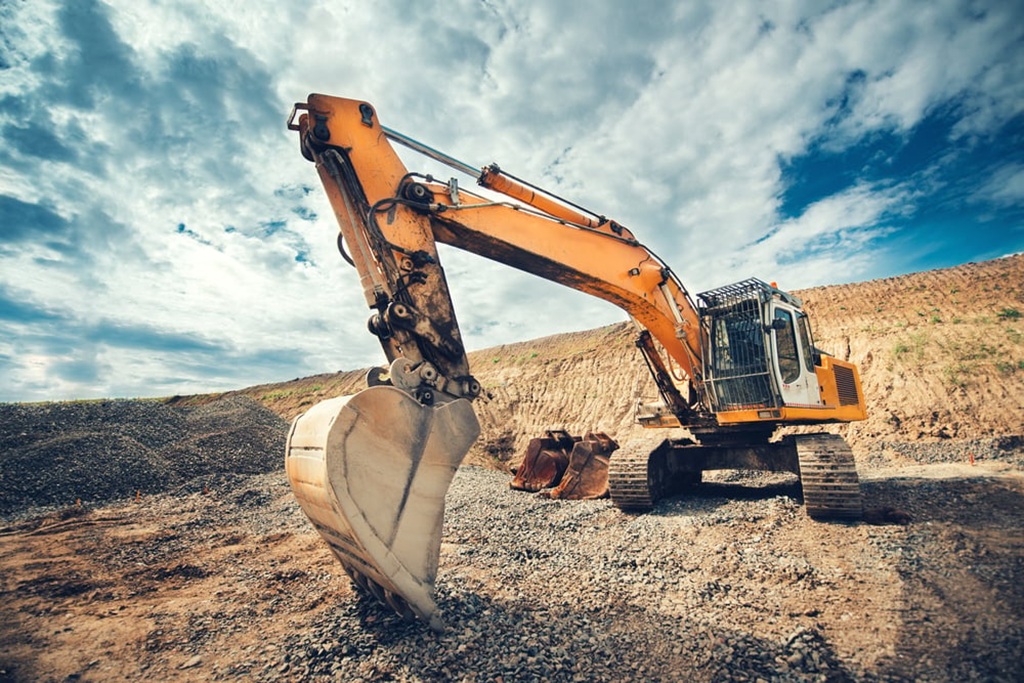
While seasonal patterns offer valuable insights, your specific circumstances and needs should also guide your purchasing decisions.
Project Timelines and Urgency
If you have an immediate need for earthmoving equipment due to an upcoming project, waiting for a seasonal sale might not be feasible. In such cases, focusing on securing the right equipment at a fair price, regardless of the season, is paramount. However, if your project timelines allow for some flexibility, planning your purchase around potential sales periods can yield significant cost savings.
Budget Constraints and Financing Options
Your budget will inevitably play a crucial role in your purchasing decision. Seasonal sales and manufacturer incentives can make certain equipment models more affordable. Additionally, manufacturers and dealerships often offer attractive financing options during promotional periods, such as low-interest loans or deferred payment plans. Exploring these options can help you manage your cash flow effectively.
Equipment Availability and Lead Times
During peak seasons, popular equipment models may have longer lead times due to high demand. If you require specific machinery urgently, purchasing during the off-season might ensure quicker delivery. Conversely, if you are willing to wait, ordering during a sale period might be worthwhile even if the delivery takes slightly longer.
The Importance of Research and Negotiation
Regardless of the time of year, thorough research and skillful negotiation are essential for securing the best possible deal on earthmoving equipment.
- Define Your Needs: Clearly identify the specific types of equipment, features, and capacities required for your operations.
- Research Models and Brands: Compare different manufacturers and models based on performance, reliability, fuel efficiency, and after-sales service.
- Obtain Multiple Quotes: Contact several dealerships to get quotes on the equipment you are interested in.
- Negotiate Price and Terms: Don’t be afraid to negotiate the price, financing terms, warranty, and any additional features or services.
- Consider Used Equipment: Depending on your budget and needs, exploring the used equipment market can also present cost-effective options. However, ensure thorough inspection and verification of maintenance records.
People Also Ask (FAQs)
Q: Are earthmoving equipment prices generally lower at the end of the year?
A: Yes, generally speaking, the end of the calendar year (October-December) can be a favorable time to buy earthmoving equipment. Dealerships and manufacturers often have year-end sales targets to meet and may offer discounts or incentives to move inventory before the new year. Additionally, as new models are often introduced in the spring, dealers might be looking to clear out current-year stock.
Q: Do equipment manufacturers ever have seasonal sales events?
A: Yes, equipment manufacturers frequently offer seasonal sales events and promotions throughout the year. These can be tied to specific times of the year (like spring or fall promotions), the end of their fiscal quarters or years, or the introduction of new models. These events may include rebates, special financing rates, extended warranties, or bundled packages. It’s advisable to stay informed about manufacturer announcements through their websites, newsletters, or by contacting local dealerships.
Q: Is it better to buy new or used earthmoving equipment during seasonal sales?
A: Seasonal sales can offer benefits for both new and used equipment. For new equipment, you might find manufacturer incentives or dealer discounts. For used equipment, dealerships may be more willing to negotiate on price during slower periods to reduce their inventory holding costs. The “better” option depends on your specific needs, budget, and risk tolerance. Thoroughly inspect any used equipment and review its maintenance history before making a purchase.
Q: How much can I typically save by buying earthmoving equipment during a seasonal sale?
A: The amount of savings can vary significantly depending on the manufacturer, model, dealer, and the specific promotion. Discounts can range from a few percentage points off the list price to more substantial rebates or attractive financing options that can save you thousands of dollars in interest over the loan term. It’s crucial to compare offers from different dealers and carefully evaluate the total cost of ownership, including financing, maintenance, and potential resale value.
Q: Are there any downsides to buying earthmoving equipment during the off-season?
A: While the off-season often presents cost-saving opportunities, potential downsides might include a slightly less extensive inventory selection compared to peak season, as dealers may be operating with leaner stock. Additionally, if you require highly specialized or custom-ordered equipment, lead times might still be a factor regardless of the season. However, these potential drawbacks are often outweighed by the advantages of lower prices and increased negotiating power.
Q: Should I consider trade shows for buying earthmoving equipment?
A: Yes, attending or monitoring the outcomes of major construction and agricultural trade shows can be a valuable strategy for purchasing earthmoving equipment. Manufacturers often use these events to showcase new products and offer exclusive deals to attendees. You might find special show discounts, bundled packages, or opportunities to connect directly with factory representatives. Keep an eye on industry calendars and consider attending relevant trade shows in your region.
Q: How can I stay informed about upcoming seasonal sales and promotions?
A: The best ways to stay informed about upcoming seasonal sales and promotions include:
- Subscribing to Manufacturer and Dealer Newsletters: Many companies send out email newsletters announcing special offers and events.
- Following Manufacturers and Dealers on Social Media: Social media platforms are often used to share timely updates on promotions.
- Regularly Checking Manufacturer and Dealer Websites: Keep an eye on the “Promotions” or “Special Offers” sections of their websites.
- Contacting Local Dealerships: Build relationships with sales representatives at local dealerships and let them know you are interested in future deals.
- Monitoring Industry Publications and Websites: Trade publications and industry websites often report on upcoming sales and manufacturer news.
Conclusion: Timing Your Purchase for Optimal Value
The decision of when to buy earthmoving equipment is a strategic one that can significantly impact your bottom line. By understanding the seasonal dynamics of the market, including construction and agricultural cycles, manufacturer incentives, and end-of-year pressures, you can identify opportune times to negotiate favorable deals. While immediate needs may sometimes necessitate immediate purchases, planning your acquisition around the late fall and winter months, the end of fiscal periods, and model year transitions can potentially unlock substantial savings.
Remember that thorough research, comparing multiple quotes, and skillful negotiation remain crucial regardless of the time of year. By combining your understanding of seasonal sales patterns with a strategic approach to your purchase, you can acquire the necessary earthmoving equipment for your business while optimizing your investment and maximizing value. Staying informed about industry trends, manufacturer announcements, and local market conditions will further empower you to make well-timed and cost-effective equipment acquisition decisions. Ultimately, the “best” time to buy earthmoving equipment is when your needs align with favorable market conditions and available incentives, allowing you to secure the right machinery at the right price.
Sorry, the comment form is closed at this time.