

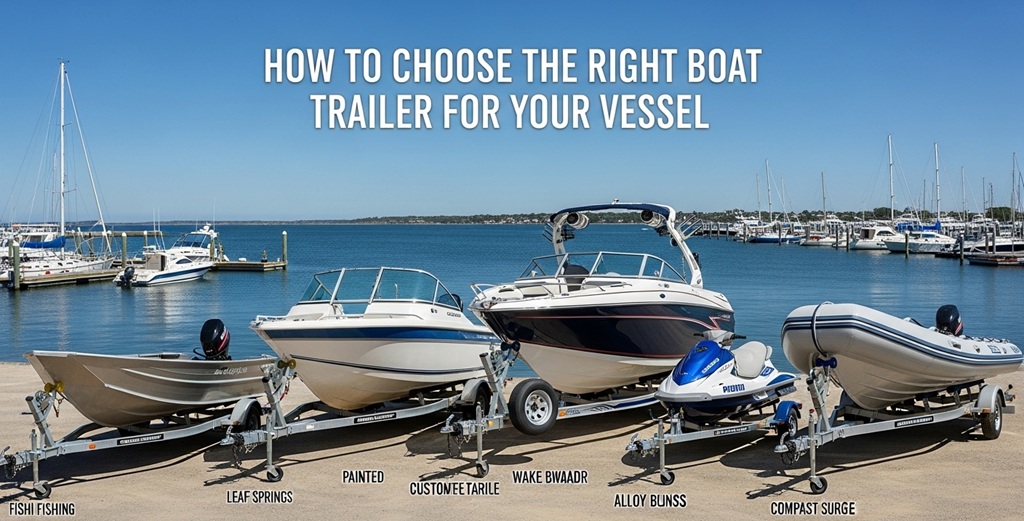
20 Jan How to Choose the Right Boat Trailer for Your Vessel
Key Takeaways
- Analyze your boat’s length, width, and weight to choose a fitting trailer.
- Pick single or tandem axles based on your boat’s size and towing demands.
- Choose a trailer frame that matches the conditions you’ll face on the road and in the water.
- Assess suspension types to ensure a smooth, durable tow.
- Always verify the trailer’s load capacity before use.
Safely and efficiently transporting your boat starts with selecting the optimal trailer for your vessel. The right trailer does far more than merely move your boat from one place to another—it safeguards your investment and makes every trip to the water easier and more enjoyable. For boat owners seeking to ensure long-term safety and convenience, taking the time to make an informed choice is crucial. If you’re navigating this decision and also need reliable boat trailer repair Pennsylvania, offers comprehensive boat and trailer repair services to keep your equipment in top condition for every journey.
This comprehensive guide breaks down all the essential factors involved in choosing a boat trailer, from evaluating your vessel’s specs to considering materials, axles, features, and more. Whether you’re a seasoned boater or picking out your first trailer, these guidelines will support a stress-free and secure towing experience.
Understand Your Boat’s Specifications
Before shopping for a trailer, carefully measure your boat’s overall length, beam (width at its widest point), and fully loaded weight—including the engine, fuel, equipment, and gear. This information is crucial to prevent overloading the trailer, which can compromise handling and increase the risk of damage during transit. A properly fitted trailer supports and balances your vessel, preventing stress on the hull and ensuring a steady ride.
Single vs. Tandem Axles
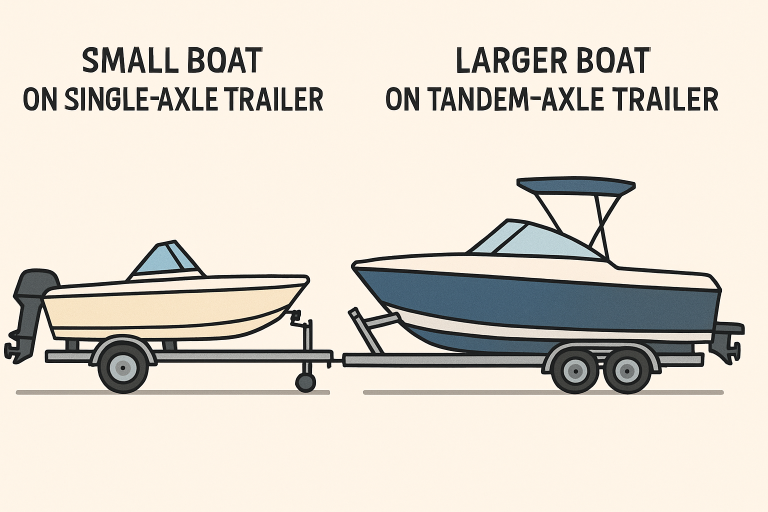
Next, consider whether your boat is best suited for a single-axle or a tandem-axle trailer.
- Single Axle Trailers: Designed primarily for lighter boats, these trailers are cost-efficient, easier to maneuver, and simpler to maintain, making them ideal for smaller craft and short trips. However, they can struggle to provide stability for heavier loads, particularly on longer drives.
- Tandem Axle Trailers: Best for larger, heavier boats, these trailers distribute weight more effectively for safer, more stable towing—especially when traveling longer distances or at highway speeds. Their ability to better handle blowouts and uneven loads makes them a safer option for bigger vessels.
Frame Material: Steel vs. Aluminum
The material used for trailer frames significantly affects their durability, weight, and corrosion resistance. Steel trailers are renowned for their strength and affordability; however, they are susceptible to rust, particularly in coastal areas, which necessitates regular maintenance and protective coatings to extend their lifespan. In contrast, aluminum trailers are lighter and inherently resistant to rust, making them suitable for saltwater conditions and frequent use. Their lower weight can also contribute to better fuel efficiency during long-distance towing.
Suspension Systems: Leaf Springs vs. Torsion Axles
The suspension system plays a critical role in both comfort and reliability in vessels. Leaf spring suspension, a traditional standard, balances price and functionality but necessitates more frequent maintenance, particularly in saltwater environments, and may transmit more road shocks to the vessel. In contrast, torsion axles represent modern design advancements that provide improved stability and ride smoothness. These systems feature independent wheel movement and require less routine maintenance, making them a preferred choice for frequent boaters and those towing heavier loads.
Weight Capacity and Load Distribution
It’s crucial to ensure your chosen trailer’s Gross Vehicle Weight Rating (GVWR) exceeds your boat’s total loaded weight. Proper load distribution, with about 10% of the total weight resting on the tongue, is important for maintaining towing stability and minimizing the risk of sway. Disregarding these guidelines not only endangers your boat but also puts your safety at risk while driving.
Additional Features to Consider
To enhance both convenience and safety in trailer usage, several key features should be taken into consideration. Firstly, braking systems are essential; many states mandate that trailers over a specific weight are equipped with brakes. Two common types include surge brakes, which activate automatically via trailer momentum, and electric brakes that are controlled by the towing vehicle. Secondly, the incorporation of lighting, particularly LED submersible lights, is crucial as they are water-resistant and significantly improve visibility during night driving or when using launch ramps. Lastly, a high-quality winch and durable straps are important for ensuring the secure transport of boats, as they prevent unwanted movement during transit.
Maintenance and Inspection
Like any mechanical equipment, boat trailers need regular care to remain safe on the road. Check tire condition and inflation before each use. Inspect all lights and brakes, and tighten any loose bolts and connections. Schedule periodic, more thorough inspections—especially if you frequently tow in harsh marine environments.
Conclusion
Selecting the right boat trailer involves carefully weighing your boat’s measurements, assessing the materials and axles, ensuring a suitable load capacity, and incorporating key features that suit your usage. By prioritizing both boat safety and road compliance, you’ll make every trip to the water smoother—and prolong your boat trailer’s lifespan for many seasons to come.
Sorry, the comment form is closed at this time.