

03 Nov How to Start a Lemonade Stand
A pitcher, a folding table, and a hand-lettered sign can teach more about running a small business than most textbooks. If you want to start a lemonade stand, the real work begins before the first cup is poured: choosing a spot, pricing fairly, and knowing the rules that apply to selling food and drinks in public. The same basic planning serves a child’s weekend project and an adult testing a beverage idea. Resources such as //creativebizservices.org cover the wider small-business side of that journey. This guide walks through the setup, the money, and the mistakes that sink most stands.
Quick answer: Pick a legal, high-foot-traffic location, get any required permit, and price each cup to cover ingredients plus a small margin. Keep the menu short, prepare the lemonade in small batches so it stays cold and fresh, and have change ready before you open. Expect modest earnings and treat the stand as a lesson in customers, costs, and service.
What is a lemonade stand?
A lemonade stand is a small, temporary retail operation. Someone mixes a drink, sets up a visible spot, and sells cups to passersby for cash or digital payment. The scale is tiny, but the structure mirrors a real shop: you have a product, a location, a price, a cost per unit, and customers who decide in seconds whether to stop.
Most stands fall into one of three types. A children’s stand is usually a one-day project run with adult supervision, and the goal is equal parts fun and learning. A fundraising stand sells for a cause, often at a school event, fair, or charity drive. A test stand is run by an older seller checking whether a recipe or concept has demand before investing further.
The core components are simple to list:
- Product: lemonade, plus optional cookies or snacks.
- Setup: a sturdy table, a cooler or ice bath, cups, napkins, a cash box, and a sign.
- Location: somewhere with foot traffic and shade.
- Permissions: any local license or property-owner approval that applies.
- Money: a starting float of small bills and coins for change.
Lemonade works as a first business because the costs are low, the recipe is easy to repeat, and feedback arrives within hours. You learn quickly what sells and what sits.
The lessons — cost per cup, break-even, customer service, and location — carry over directly to larger ventures. That is why many people treat their first stand as a genuine test of how selling works.
What a realistic first stand looks like
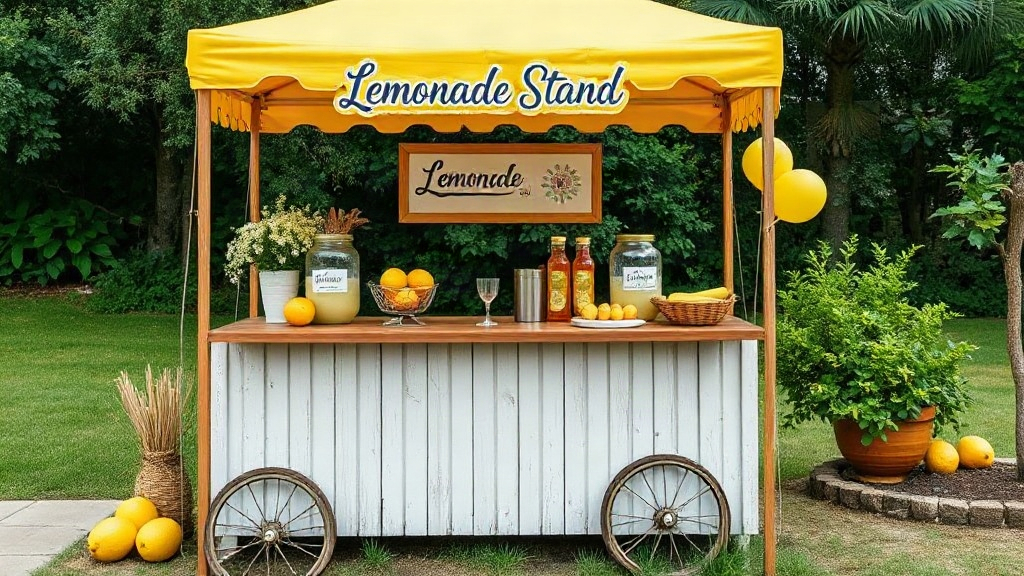
Picture a Saturday stand outside a community event: one table, two pitchers, a cooler, and a sign with clear prices. The seller offers regular and pink lemonade, charges a round price, and keeps a small float. The operation should run for a set window, such as two to three hours, so supplies stay fresh and the seller does not tire out. Simple beats elaborate almost every time.
Why start a lemonade stand matters
The value of a stand reaches well past the few dollars it earns. It introduces real economics in a way a classroom rarely can. A seller who buys lemons, sugar, and cups learns that revenue is not profit; every cup has a cost, and the difference is what you keep.
It also builds customer skills. Selling face to face means greeting strangers, answering questions, making change, and handling a complaint or a spilled cup without losing composure. Those are durable habits. A child who learns to say “thank you, have a good day” at eight carries a small piece of confidence into every job interview later.
Money handling adds a practical layer. Counting a float at the start and reconciling the cash box at the end teaches basic bookkeeping: what came in, what went out, and what is left. That single habit, repeated, is the foundation of financial literacy.
Community stands also create goodwill. Neighbors stop to chat, and a stand at a school fair or block party becomes a gathering point. For fundraising stands, the social benefit is often the main point.
Most stands earn modest amounts, often just enough to cover supplies and leave a little profit. The educational return is the larger prize, so frame the project that way from the start.
Skills a stand builds
The table below maps what a seller does to the skill it develops, which helps adults set expectations for a young operator.
Comparison: stand activities vs. skills developed
| Stand activity | Skill developed |
|---|---|
| Pricing and counting costs | Basic profitability thinking |
| Making change | Numeracy and cash handling |
| Greeting customers | Communication and confidence |
| Setting up and cleaning up | Responsibility and routine |
Notice that none of these depend on the drink itself. The lemonade is the vehicle; the skills are the destination.
Best practices
Good stands share a set of habits. Start with location and timing. A spot with steady foot traffic — near a park entrance, a community event, or a quiet residential corner on a warm afternoon — will outsell a better recipe in a poor spot. Weekends and school holidays usually bring more passersby than weekday mornings.
Next, price with a margin in mind. Estimate your cost per cup: lemons, sugar, water, ice, and the cup itself. Add a small amount for labor and supplies, then round to an easy number. A price that covers costs and feels fair to neighbors keeps the stand honest and simple to run.
Prepare in small batches. Lemonade tastes best fresh and cold. Mixing a large quantity hours ahead risks warm, watery drinks. Keep a cooler of ice, refill pitchers as needed, and store the base in a sealed container.
Make the sign do the selling. A readable sign should state the product and the price. Large letters, a clear price, and one or two words of personality are enough. A sign that requires squinting loses sales before a customer even reaches the table.
Count out small bills and coins the night before. Running out of change mid-sale is one of the easiest problems to prevent and one of the most awkward to fix.
Handle hygiene seriously. Use clean hands, clean utensils, and covered cups. Keep drinks cool and discard anything that has been sitting out too long. These habits protect customers and reflect well on the stand.
Track results as you go. Keep a simple tally of cups sold and note which time of day drew the most people. That small record turns a one-off project into a repeatable model. If you later want to scale a beverage idea into a full business, the same discipline of costing, positioning, and testing demand applies — the //creativebizservices.org/business-ideas/how-to-start-a-teeth-whitening-business/ guide follows a comparable structure for a very different product.
A simple prep checklist
Use a short list so nothing is forgotten on the day:
- Confirm the location and any permission needed.
- Buy and measure ingredients the day before.
- Clean and fill the cooler with ice.
- Prepare the sign and the cash float.
- Set up in shade and arrange the table neatly.
- Reconcile earnings and clean up at the end.
Common mistakes to avoid
The most frequent failure is skipping permissions. Many towns regulate food sales, and some require a temporary permit or a fee. Selling without checking can lead to a fine or a shutdown. A quick call to the local council or a check of its website resolves the question before you set up.
Overpricing or underpricing runs a close second. A price that ignores ingredient costs loses money. A price far above what neighbors expect scares customers away. Compare nearby stands and shops, then pick a fair figure that still covers costs.
Overcomplicating the menu slows service and complicates supplies. Two or three options are plenty. A long list baffles customers and invites errors.
Skipping the change float creates avoidable friction. Without small bills, the first customer with a large note stalls the whole line.
Warm lemonade and uncovered cups can make people ill. Keep everything cold, keep hands and utensils clean, and never sell a drink that has sat out for hours.
Ignoring the weather wastes a day of effort. Rain, wind, and extreme heat all cut foot traffic or spoil supplies. Check the forecast and have a backup date.
Forgetting to record results means the next stand repeats the same guesses. A few notes on sales, timing, and what ran out is enough to improve.
Permissions, pricing, change, and a short menu are all decided before opening. Handle them in advance and the day itself becomes simple.
FAQ
How much does it cost to start a lemonade stand?
A basic stand can be set up for roughly the price of lemons, sugar, cups, ice, and a sign — often a modest amount that depends on what you already own. A table, cooler, and pitcher usually come from home, which keeps costs down. Budget a little extra for any local permit fee.
What permissions do I need to sell lemonade?
Rules vary by town. Check with your local council or municipal office about food-sale rules and temporary vendor permits. If you set up on private property, get the owner’s permission in writing or at least a clear yes.
What is the best time to run a lemonade stand?
Warm weekend afternoons and community events usually bring the most foot traffic. Avoid rainy days and extreme heat, which cut visitor numbers. Running for two to three hours keeps supplies fresh and sellers fresh too.
How should I price each cup?
Work out your cost per cup, add a small margin, then round to an easy number. Compare nearby shops and stands to stay fair. A price that covers ingredients and a little profit is the right target.
What should I do with the profits?
Decide before opening: keep the money, split it, or donate it to a cause. A fundraising stand should state its purpose on the sign so customers understand where the money goes.
Conclusion
A successful stand comes down to preparation: a legal spot, a fair price that covers costs, a short menu, and clean handling of every drink. Add a change float, a readable sign, and a short record of what sold, and the project teaches real lessons about customers and costs. The next step is to call your local council about permits, pick a date, and write your shopping list. Then ready the sign and the cooler, and open the stand with a clear plan in hand.
Sorry, the comment form is closed at this time.