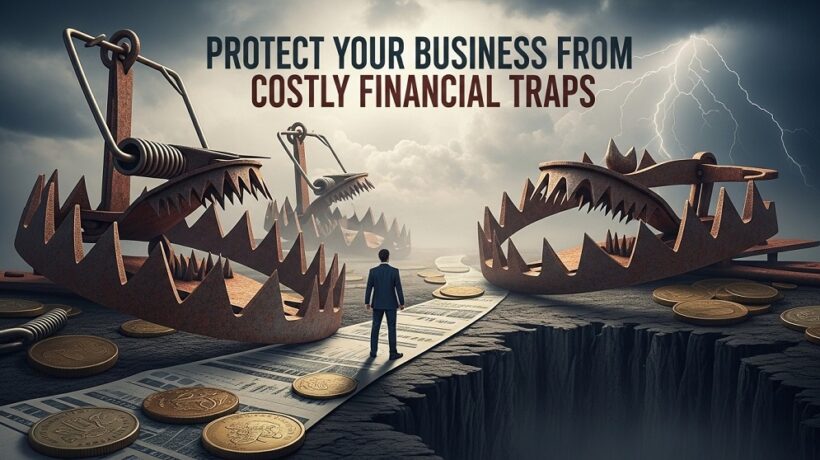
How to protect business finances means putting systems, controls, and decisions in place that stop money leaks, reduce risk, and keep your business stable during both growth and downturns. Many businesses fail not because they lack sales, but because they mismanage cash, ignore warning signs, or fall into avoidable financial traps.







Building Resilience in Modern Real Estate Portfolios

Key Takeaways
- Recognizing resilience as essential to the longevity and value of real estate assets.
- Implementing climate-resilient construction and maintenance techniques.
- Using cutting-edge technology to inform smarter decisions and predict risk.
- Strengthening portfolios with sustainable operations and forward-thinking management.
Today’s real estate industry faces fast-changing challenges that require a new approach to asset management and value creation. From economic uncertainty to frequent climate events, property managers and investors must rethink their strategies to ensure the long-term health of their portfolios. Integrating resilience not only mitigates risks but also enables properties to remain valuable and competitive as new threats emerge, allowing companies like High Pass Asset Management to stand out as leaders in the space. By building systems for adaptation and recovery, owners and managers can help their portfolios thrive even amid uncertainty.
Developing a resilient asset base involves practical steps that guard against both environmental and economic headwinds while harnessing innovative technology to stay ahead. It is essential to take a proactive approach, transforming risk management into an ongoing driver of growth. Effective resilience strategies are layered, from physical property upgrades to data-driven planning. Understanding these layers and acting on them can mean the difference between stagnation and sustainable success.
Understanding Resilience in Real Estate
Resilience in the context of real estate means the ability of properties and portfolios to anticipate, withstand, and swiftly recover from disruptions. This could range from economic shocks to climate events and technological disruptions. In practical terms, resilient properties maintain their rental income, sustain occupancy, and mitigate loss even under stress. Investors and managers who prioritize adaptability can shape portfolios that are more insulated from market volatility and positioned to capitalize on opportunities during recovery.
Modern resilience is not simply about risk avoidance but about transformation and adaptation. For example, forward-thinking asset managers regularly reassess hazards, such as flood risk and evolving environmental regulations, that could affect property value. Adjusting to these risks early enables superior long-term performance and regulatory compliance.
Climate-Proofing Properties
The increasing frequency and impact of climate-related events put physical assets at substantial risk. Whether facing hurricanes, wildfires, or severe weather fluctuations, proactive climate proofing can safeguard property value and lower insurance costs. Protective strategies can be categorized into three core levels:
- Minor Retrofits: Simple interventions such as upgrading insulation, installing weatherproof windows, and sealing air leaks can reduce energy costs and improve indoor comfort. These changes are often affordable yet yield immediate benefits.
- Major Retrofits: Replacing outdated HVAC and window systems with energy-efficient alternatives, or installing backup power and flood barriers, can significantly increase resilience. These upgrades may require capital investment but are proven to reduce operational disruption and unexpected repairs.
- Deep Retrofits: Holistic property overhauls involving renewable energy, comprehensive waterproofing, or seismic retrofitting offer the highest level of protection. While more complex, they deliver long-term savings and vastly improve asset lifespan.
A striking example is the Empire State Building’s retrofit, which reduced energy consumption by 38% and provided annual savings of $4.4 million. These retrofits provided not only long-term operational savings but also helped the landmark meet evolving sustainability mandates. There is growing industry consensus that investments in resilient, energy-efficient upgrades can enhance a building’s reputation and drive tenant demand.
Leveraging Technology and Data
Incorporating cutting-edge technology is a vital component of resilience planning. The rise of artificial intelligence and advanced analytics offers property professionals new ways to analyze risks and forecast value. AI-powered valuation technologies, for example, now help reduce human error and bias in property assessments. Automated risk models aggregate environmental, regulatory, and market data, enabling smarter investment and maintenance decisions across large portfolios.
Furthermore, sensor technology allows for real-time monitoring of building performance, alerting managers to maintenance needs or environmental hazards before they disrupt operations. Property managers can now detect leaks, track air quality, and automate energy management to optimize efficiency and avert costly failures. Platform-based management systems also centralize data, making it accessible for streamlined reporting and immediate action in response to risks.
Enhancing Operational Efficiency
Operational efficiency is critical to maintaining a resilient real estate portfolio. Managers must focus not only on reducing costs but also on building strong teams and comprehensive risk management plans. A resilient operation is robust enough to handle disruptions while remaining flexible in adapting to new realities.
- Cost Control: Consistent cost reviews help eliminate waste and direct resources to high-impact projects. Methods such as LED lighting upgrades, water conservation improvements, and waste reduction plans can substantially reduce recurring expenses.
- Workforce Investment: Providing ongoing training and recognition for building staff ensures a high level of service and quick adaptation during emergencies. A motivated and knowledgeable team can respond more effectively to crises.
- Enterprise Risk Management: Documented contingency plans are crucial, covering everything from natural disaster response to cybersecurity protocols. These plans should be revisited frequently to match evolving threats and regulatory requirements.
Such efficiency improvements reinforce long-term sustainability, drive higher tenant satisfaction, and foster a culture of preparedness throughout the organization.
Conclusion
Investing in resilience is no longer just an option for property managers and investors; it is a foundational strategy for safeguarding value and ensuring sustainable growth. Future-ready portfolios are built through integrated approaches: climate-proofing, leveraging innovative technology, and running efficient, adaptive operations. As external risks continue to evolve, those who prioritize resilience will have the best chance of building portfolios that succeed and endure in a rapidly changing real estate landscape.
How to Benchmark Competitors for Business Transformation Strategy Planning

Competitive benchmarking drives successful business transformation by revealing market opportunities and strategic gaps. Companies that systematically analyze competitor performance gain critical insights for planning their evolution. However, effective benchmarking requires structured methodology rather than casual observation.
Choosing the Right Adhesive Equipment for Your Production Line

Key Takeaways
- Proper adhesive equipment ensures repeatable, high-quality results and reduces margin for error.
- Matching machines to adhesive chemistry and production conditions maximizes output and reduces waste.
- Factoring in production demands and maintenance needs leads to better long-term ROI and lower operating costs.
How to Choose a Partner, Not Just a Feeling

People often fall into relationships driven by sparks and butterflies. Yet, those feelings can fade fast. True partnership demands more than emotion. It requires careful thought and real connection. Statistics from the American Psychological Association show that couples who prioritize compatibility last longer, with divorce rates dropping by up to 30 percent in such matches.
Choosing Reliable Sewage Pumps for Residential and Commercial Needs
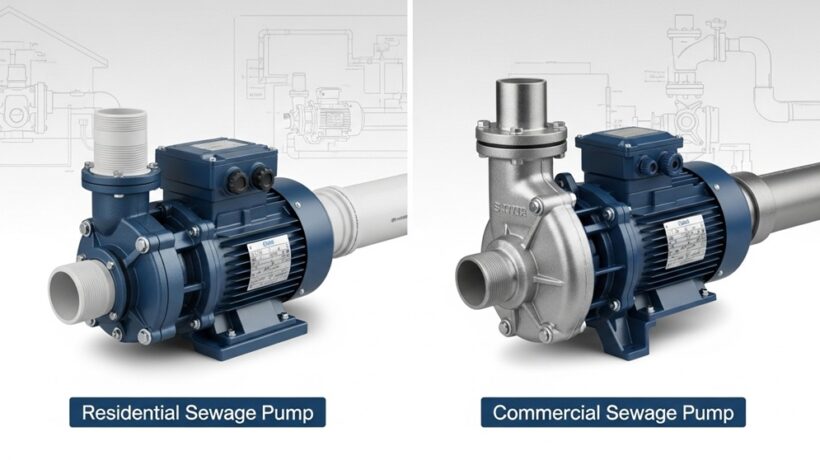
Proper management of wastewater is essential for any property, whether it’s a home or a commercial building. Not only does it prevent unsanitary conditions, but it also protects occupants and structures from potentially costly damage due to sewage backups or pump malfunctions. Choosing the right equipment, such as sewage ejector pumps New York, plays a crucial role in an efficient and reliable wastewater management system.
Sewage pumps are crucial for safe waste removal, particularly in areas where gravity drainage is inadequate. Modern pumps are more efficient and eco-friendly, making proper selection crucial for property owners and managers. Choosing the right pump depends on factors like property type, wastewater volume, and specific needs. Proper evaluation can prevent costly failures, clogs, or overflows, which pose serious risks such as contamination and legal issues. As a result, more efforts are being made to select durable, low-maintenance sewage pumps.
Understanding Sewage Pumps
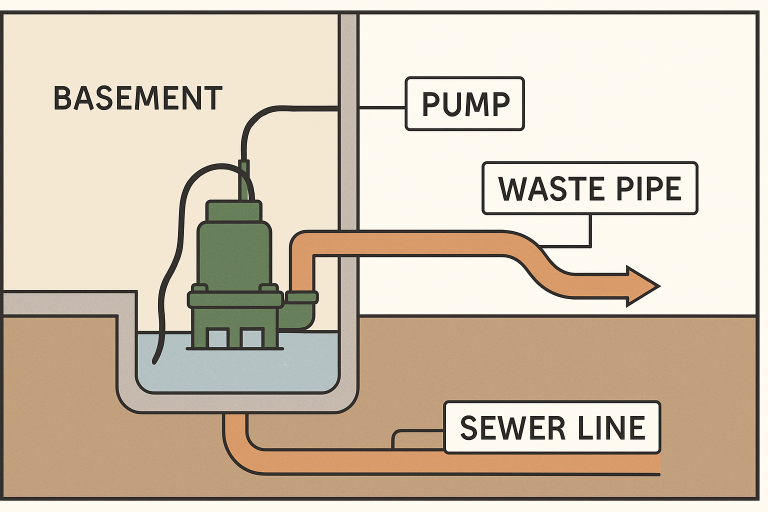
Sewage pumps are powerful devices designed to move wastewater containing solids from lower to higher elevations, especially where gravity-based drainage is insufficient. They are most commonly deployed in basement bathrooms, below-grade plumbing, or commercial settings where plumbing fixtures are located below the main sewer line. Typical sewage pumps are submersible and built to handle solids of varying sizes, ensuring waste travels unhindered to septic tanks or municipal sewer systems.
The efficiency of sewage pumps relies on their robust construction and ability to handle challenging conditions. Unlike standard sump pumps, sewage pumps are engineered to move not just liquids but also waste solids, making them an essential component of plumbing systems in urban developments and buildings with complex layouts. Their reliability protects buildings from costly water and waste damage and upholds hygiene standards.
Key Factors in Pump Selection
For efficient wastewater management, pumps must handle peak flow rates, typically ranging from 20 to 40 GPM for residential use and exceeding 100 GPM for commercial needs, thereby preventing overload and backups. The Total Dynamic Head (TDH) is crucial for preventing pump burnout, encompassing both the vertical lift and friction loss. Pumps must effectively handle solids to prevent clogs, necessitating capabilities that exceed expected particle sizes. Selecting corrosion-resistant materials, such as cast iron or stainless steel, is crucial for ensuring durability and longevity. Additionally, energy-efficient models with automatic shut-off can lower operational costs and environmental impact.
Installation and Maintenance
Professional installation of sewage pumps is highly recommended to ensure adherence to building codes and optimal functionality. Inadequate installation can lead to leaks, electrical hazards, or inefficiencies, potentially voiding warranties. After installation, consistent preventive maintenance is essential, which includes checking for debris or clogs in the pump and pit, examining seals, floats, and bearings for wear, testing alarm and backup systems for reliability during power outages, and regularly cleaning to prevent solid buildup and odors. This routine care extends the lifespan of the sewage pump and guarantees reliable operation throughout the year.
Scheduling annual inspections with a qualified technician helps identify potential issues before they escalate into costly repairs. Keeping maintenance records can also support warranty claims and ensure compliance with local regulations. Property owners should verify that backup power sources, such as battery systems or generators, are functioning correctly. Promptly addressing unusual noises, vibrations, or performance changes can prevent unexpected system failures. Together, these practices help maintain consistent performance and protect the surrounding property from wastewater-related damage.
Future Trends in Sewage Pumps
Innovations in sewage pump technology benefit property owners and managers. Manufacturers use eco-friendly materials and energy-efficient motors to cut environmental and operational costs. Smart sensors provide real-time alerts for issues before they escalate, enabling proactive responses. Sustainability efforts ensure pumps last longer, offering better reliability and maintenance. Knowing trends and buying tips helps you choose dependable, safe, and cost-effective wastewater solutions for homes and businesses.
Conclusion
Sewage pumps play a vital role in modern plumbing systems by ensuring wastewater is moved safely and efficiently where gravity alone cannot do the job. Understanding how these pumps work, selecting the right model, and the importance of proper installation and maintenance help prevent backups, system failures, and costly damage. As technology continues to advance, newer sewage pump designs offer enhanced efficiency, improved durability, and advanced smart monitoring features. By staying informed and proactive, property owners and facility managers can ensure reliable wastewater management while protecting both their infrastructure and long-term investment.
Innovative Approaches to Industrial Mixing Equipment

Industrial mixing equipment plays a vital role at the heart of many key sectors, including pharmaceuticals, food processing, and chemical manufacturing. Thanks to rapid advancements, today’s mixing equipment incorporates forward-thinking technologies designed to increase efficiency, boost sustainability, and elevate product quality. When selecting the right equipment, it is crucial to consider innovation and reliability. Choosing an experienced batch mixer manufacturer USA ensures access to cutting-edge solutions that support modern manufacturing demands.
How to Choose the Right Boat Trailer for Your Vessel

Key Takeaways
- Analyze your boat’s length, width, and weight to choose a fitting trailer.
- Pick single or tandem axles based on your boat’s size and towing demands.
- Choose a trailer frame that matches the conditions you’ll face on the road and in the water.
- Assess suspension types to ensure a smooth, durable tow.
- Always verify the trailer’s load capacity before use.
Safely and efficiently transporting your boat starts with selecting the optimal trailer for your vessel. The right trailer does far more than merely move your boat from one place to another—it safeguards your investment and makes every trip to the water easier and more enjoyable. For boat owners seeking to ensure long-term safety and convenience, taking the time to make an informed choice is crucial. If you’re navigating this decision and also need reliable boat trailer repair Pennsylvania, offers comprehensive boat and trailer repair services to keep your equipment in top condition for every journey.
This comprehensive guide breaks down all the essential factors involved in choosing a boat trailer, from evaluating your vessel’s specs to considering materials, axles, features, and more. Whether you’re a seasoned boater or picking out your first trailer, these guidelines will support a stress-free and secure towing experience.
Understand Your Boat’s Specifications
Before shopping for a trailer, carefully measure your boat’s overall length, beam (width at its widest point), and fully loaded weight—including the engine, fuel, equipment, and gear. This information is crucial to prevent overloading the trailer, which can compromise handling and increase the risk of damage during transit. A properly fitted trailer supports and balances your vessel, preventing stress on the hull and ensuring a steady ride.
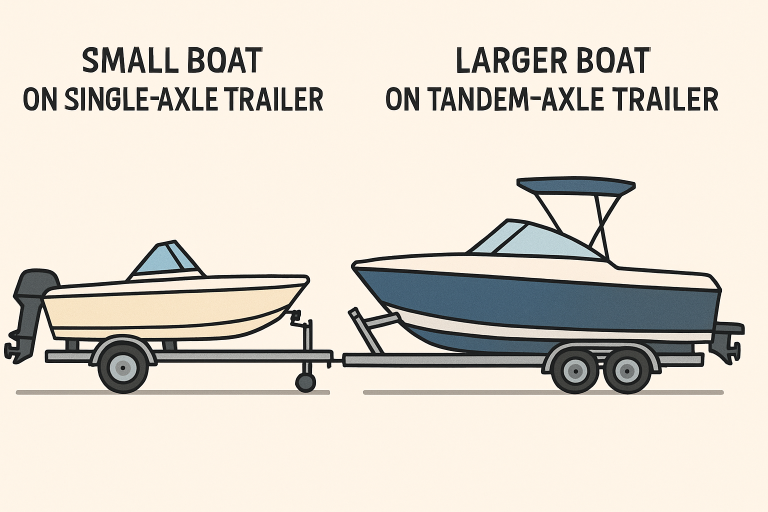
Single vs. Tandem Axles
Next, consider whether your boat is best suited for a single-axle or a tandem-axle trailer.
- Single Axle Trailers: Designed primarily for lighter boats, these trailers are cost-efficient, easier to maneuver, and simpler to maintain, making them ideal for smaller craft and short trips. However, they can struggle to provide stability for heavier loads, particularly on longer drives.
- Tandem Axle Trailers: Best for larger, heavier boats, these trailers distribute weight more effectively for safer, more stable towing—especially when traveling longer distances or at highway speeds. Their ability to better handle blowouts and uneven loads makes them a safer option for bigger vessels.
Frame Material: Steel vs. Aluminum
The material used for trailer frames significantly affects their durability, weight, and corrosion resistance. Steel trailers are renowned for their strength and affordability; however, they are susceptible to rust, particularly in coastal areas, which necessitates regular maintenance and protective coatings to extend their lifespan. In contrast, aluminum trailers are lighter and inherently resistant to rust, making them suitable for saltwater conditions and frequent use. Their lower weight can also contribute to better fuel efficiency during long-distance towing.
Suspension Systems: Leaf Springs vs. Torsion Axles
The suspension system plays a critical role in both comfort and reliability in vessels. Leaf spring suspension, a traditional standard, balances price and functionality but necessitates more frequent maintenance, particularly in saltwater environments, and may transmit more road shocks to the vessel. In contrast, torsion axles represent modern design advancements that provide improved stability and ride smoothness. These systems feature independent wheel movement and require less routine maintenance, making them a preferred choice for frequent boaters and those towing heavier loads.
Weight Capacity and Load Distribution
It’s crucial to ensure your chosen trailer’s Gross Vehicle Weight Rating (GVWR) exceeds your boat’s total loaded weight. Proper load distribution, with about 10% of the total weight resting on the tongue, is important for maintaining towing stability and minimizing the risk of sway. Disregarding these guidelines not only endangers your boat but also puts your safety at risk while driving.
Additional Features to Consider
To enhance both convenience and safety in trailer usage, several key features should be taken into consideration. Firstly, braking systems are essential; many states mandate that trailers over a specific weight are equipped with brakes. Two common types include surge brakes, which activate automatically via trailer momentum, and electric brakes that are controlled by the towing vehicle. Secondly, the incorporation of lighting, particularly LED submersible lights, is crucial as they are water-resistant and significantly improve visibility during night driving or when using launch ramps. Lastly, a high-quality winch and durable straps are important for ensuring the secure transport of boats, as they prevent unwanted movement during transit.
Maintenance and Inspection
Like any mechanical equipment, boat trailers need regular care to remain safe on the road. Check tire condition and inflation before each use. Inspect all lights and brakes, and tighten any loose bolts and connections. Schedule periodic, more thorough inspections—especially if you frequently tow in harsh marine environments.
Conclusion
Selecting the right boat trailer involves carefully weighing your boat’s measurements, assessing the materials and axles, ensuring a suitable load capacity, and incorporating key features that suit your usage. By prioritizing both boat safety and road compliance, you’ll make every trip to the water smoother—and prolong your boat trailer’s lifespan for many seasons to come.
A Fresh Approach to All-Day Breakfast Dining

All-day breakfast dining has surged in popularity as diners increasingly seek flexibility, comfort, and variety in where and when they eat their favorite morning dishes. The traditional boundaries of breakfast hours have dissolved as restaurants evolve to meet a demand that extends far beyond the early hours. Establishments near bustling city centers and vibrant coastal towns alike, such as those seeking the best restaurant Newburyport, MA are reimagining classic breakfast fare and embracing a broad palette of culinary influences.
How to Troubleshoot Common Household Electrical Issues

Key Takeaways
- Recognize common electrical problems to ensure home safety.
- Learn basic troubleshooting steps for minor issues.
- Understand when to call a professional electrician.
Electrical issues are a frequent concern in many homes, sometimes leading to inconvenience and, in severe cases, safety risks. Early identification and basic troubleshooting can help homeowners resolve minor incidents and recognize when a more serious problem is developing. For those tackling electrical issues in a business or larger setting, it’s wise to rely on specialists, such as a commercial electrician Van Buren AR, to ensure all work is performed safely and to code.
From flickering lights to the unmistakable scent of burning wiring, household electrical problems come in many forms. Learning to diagnose routine malfunctions is an essential skill for any property owner. However, knowing one’s limits is just as important, especially when safety is at stake, and electrical codes must be followed to prevent hazards.
Electrical safety is not something to take lightly. Even small issues can develop into dangerous situations if not handled properly. The following guidelines will help you troubleshoot common problems, reduce your risk of electrical hazards, and know when to involve a trained expert.
According to the National Fire Protection Association, electrical failures or malfunctions are a significant cause of home fires each year. Staying proactive prevents many costly emergencies and provides peace of mind for families and property owners alike.
Flickering or Dimming Lights
Intermittent flickering or dimming lights can signal loose bulbs, overloaded circuits, or faulty fixtures. The first step should always be to ensure that the light bulb is securely fastened, properly seated in the socket, and in working order. Should the problem persist, consider whether the lights dim most often when you use large appliances; this may indicate an overloaded circuit. Redistribute high-wattage devices across multiple circuits or call a professional if problems persist. In some cases, outdated wiring or a failing dimmer switch might be the culprit and should be examined by an electrician.
Tripping Circuit Breakers
Circuit breakers trip to prevent overheating and electrical fires. Chronic tripping often points to overloaded circuits, short circuits, or a problematic appliance. If you notice a breaker tripping repeatedly after plugging in a specific device, unplug it and see if the breaker stays closed. Avoid running multiple large appliances (such as space heaters and microwaves) on the same circuit. If your breaker continually trips with no apparent cause, or you notice burning smells alongside trip events, consult a licensed electrician, as this may indicate wiring defects or hidden short circuits.
Dead Outlets
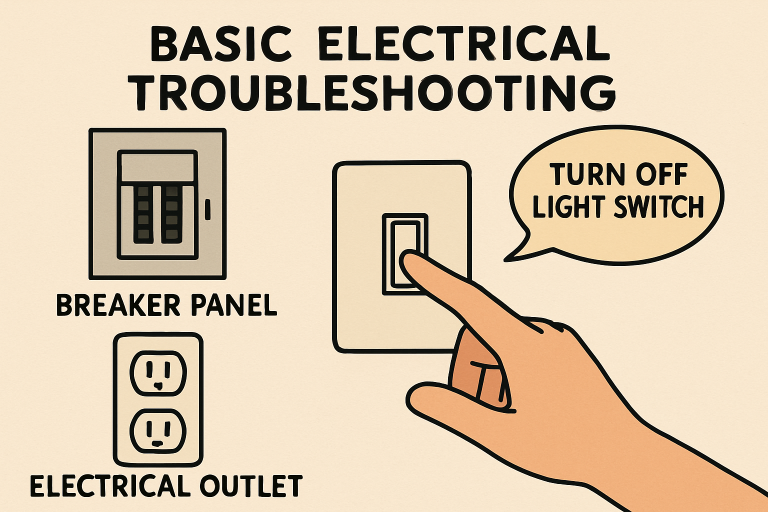
Outlets that don’t work may be linked to a tripped circuit breaker, a tripped GFCI (ground fault circuit interrupter), or underlying wiring issues. Begin troubleshooting by checking your home’s main breaker box for any breakers in the “off” position and reset them if necessary. With GFCI outlets, pressing the “reset” button often restores power. If you discover that several outlets have failed simultaneously, or if resetting doesn’t solve the problem, suspect faulty wiring or a more complex issue and contact an electrician for repairs.
Burning Smell or Discolored Outlets
A persistent burning odor or signs of melted, brown, or black patches on outlets should never be ignored. These are classic signs of overheated wires or potentially loose and dangerous connections. If you notice such symptoms, immediately shut off power to the affected outlet at the breaker and do not use that circuit. Seek help from a qualified electrician, as continuing to use an outlet in this condition could lead to a fire.
Buzzing or Humming Sounds
Unusual noises such as buzzing or humming around outlets, switches, or the main electrical panel often indicate loose wiring or faulty equipment. To prevent electric shock, switch off the power at the breaker before conducting any visual checks. If a single outlet or switch is noisy, inspect for loose wires. Never ignore persistent noises from your breaker panel, as they may indicate a failing breaker or overloaded wiring, conditions best addressed by a professional.
Frequent Bulb Burnouts
If light bulbs in the same fixture repeatedly fail before their rated lifespan, you may have installed bulbs that are too powerful for the fixture, or there could be a wiring issue or a faulty socket. Double-check bulb wattage to match the recommended rating on the fixture. If problems persist, the socket or fixture wiring could be compromised and needs an electrician’s assessment.
Electric Shocks
Mild electric shocks when touching appliances, switches, or outlets are never normal and often indicate electrical faults. If you get shocked when touching a specific appliance, unplug it right away and have it checked or replaced. If the shock occurs at an outlet or switch, discontinue use and arrange for a certified electrician to inspect the location immediately.
When to Call a Professional
While many minor electrical issues can be solved with simple fixes, there are times when you must prioritize safety and call in an expert. Persistent breaker trips, recurring dead outlets, unusual noises, burning smells, or shocks all warrant a professional evaluation. Trained electricians ensure your wiring is safe and up to current standards, helping you avoid fires, costly repairs, or personal injuries over time. Regular inspections by a licensed professional protect your property and everyone living and working inside it.
By learning to spot early warning signs and knowing when to seek expert help, homeowners can create a safer, more reliable environment. Proactive attention to household electrical systems is one of the best ways to prevent accidents, improve functionality, and guarantee peace of mind for years to come.
Conclusion
In conclusion, understanding common household electrical issues empowers homeowners to take swift, informed action before minor inconveniences turn into serious safety hazards. While basic troubleshooting can resolve simple problems, recognizing warning signs such as burning smells, repeated breaker trips, or electric shocks is critical to protecting both people and property. Electrical systems are complex, and when issues persist or pose potential risks, professional intervention is the safest course of action. By staying proactive, prioritizing safety, and knowing when to call a licensed electrician, homeowners can maintain a reliable electrical system and enjoy lasting peace of mind.



Popular Posts
-

10 Tips for pedaling on rainy days
17 April, 2022 -

12 Profitable Business Trends for the Future in 2021
07 November, 2021 -

3 Secret Ways to Be Succinct and Powerful in Business
09 July, 2025 -

5 Effective Ways to Simplify Complex Business Practices
12 January, 2021 -

5 Key Factors to Consider Before Franchising Your Business
13 January, 2021 -

5 Mistakes When Implementing Identity Verification
30 April, 2025