


09 Nov Virtual Desktop Apps Compared for Mixed Reality Workspaces
Virtual desktop apps compared for mixed reality workspaces usually come down to one question: which tool gives you a usable monitor in a headset without turning a quick task into a project? Anyone pairing a Meta Quest or similar headset with a laptop faces a crowded shelf of software, and the marketing pages rarely explain the real trade-offs. Resources like //gamesplatformhub.com/ track how headsets fit into everyday work and play, so the comparison belongs in practical terms. This guide walks through the main app types, what separates them, and the habits that make a headset workspace feel natural.
Quick answer: Pick the app that matches the devices you already own and how much control you need over your virtual screens. Standalone apps built for standalone headsets are the simplest start, while streaming setups suit people who want their full desktop and window management. Try the free tiers first, then pay for extras only when they remove a real daily annoyance.
What is virtual desktop apps compared for mixed?
Virtual desktop software places your computer’s screen, or several virtual screens, inside a headset display. Mixed reality adds passthrough cameras to the mix, so your physical keyboard, monitor, and surroundings can stay visible while floating windows hover in front of you. The apps themselves are the layer that connects your headset to your desktop, laptop, or cloud machine.
Most products fall into three families:
- Standalone productivity apps that run entirely on the headset and connect to nearby devices over Wi-Fi or a cable.
- Streaming apps that send a PC’s desktop to the headset with low latency, often aimed at play as much as work.
- Remote desktop services that reach a machine over the internet, useful when the computer and headset sit on different networks.
Latency is the number that matters most. A screen that lags behind your keystrokes by a fraction of a second feels fine for reading and wrong for typing. Wired connections cut that delay, but many people accept a good wireless link for the freedom it gives.
A practical way to compare apps is by what they need to work:
| Setup type | What it needs | Suits |
|---|---|---|
| Standalone app | Headset and a nearby PC or laptop | Quick sessions, light tasks |
| Streaming app | Gaming-capable PC and strong Wi-Fi | Full desktop, multiple windows |
| Remote service | Internet access and a host machine | Travel, shared or remote computers |
Key takeaway: compare apps on connection type, screen count, and latency before you compare feature lists.
Passthrough and window handling
Mixed reality sets these apps apart from older VR desktop tools. Good passthrough lets you glance at a real notebook or mug without lifting the headset. Window handling separates the polished apps from the basic ones; you want to anchor, resize, and curve screens with minimal fiddling.
Why virtual desktop apps compared for mixed reality matters
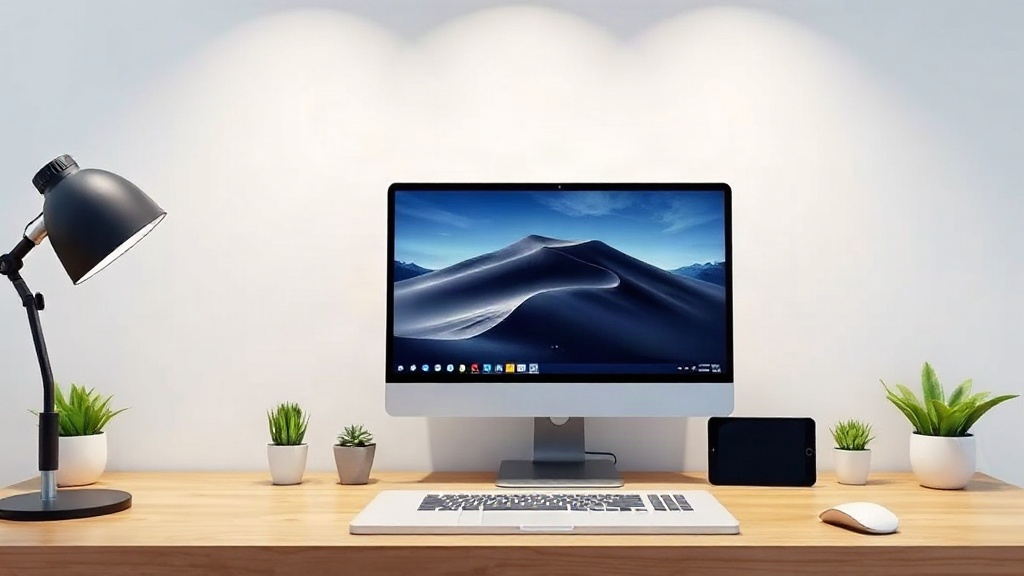
A headset can replace a hotel-room desk, a cramped kitchen table, or a laptop screen that feels tiny at the end of a long day. That flexibility only appears when you choose software that fits your hardware. The wrong pick means dropped connections, blurry text, or a paid subscription for a feature you never touch.
Text legibility drives satisfaction more than any other factor. A virtual monitor set too far away or rendered at low resolution strains the eyes, and no amount of clever window snapping fixes it. You want an app that lets you pull screens closer and enlarge them.
Comfort over time matters too. A headset on your face for twenty minutes is fun; for three hours it is a physical commitment. Apps that let you dim the virtual environment, show your real desk through passthrough, and keep windows stable reduce the friction. People who plan a serious setup often read about a Quest 3 remote work setup to see how headset habits carry over into daily routines.
Cost deserves a clear-eyed look. Free tiers usually cap you at one screen or a limited session length. Paid plans vary widely, so check what the fee actually buys: extra monitors, higher resolution, or business features you may never use.
A modest app with a wired connection often beats a premium app on weak Wi-Fi. Fix the network before you upgrade the software.
Key takeaway: match the app to your real hardware and comfort needs, not to the longest feature list.
Best practices
Start by testing a free tier on the tasks you actually do. Open a document, type a few paragraphs, and take a video call. Twenty minutes of honest use tells you more than any comparison chart.
Set up a stable network before anything else. A dedicated 5 GHz or 6 GHz band, a clear line of sight to the router, and no large downloads running in the background all help. If the app supports a cable, try it; many people reserve wireless for reading and wired for typing-heavy sessions.
Position screens at a comfortable distance and treat virtual monitors like real ones. One or two large windows beat five small ones crammed into view. Angle them slightly and keep your most-used window dead center.
Calibrate the real environment alongside the virtual one. Show passthrough where your keyboard sits, keep a lamp on for face tracking, and clear clutter that the headset cameras will pick up. Small details like these cut the time you spend fumbling for keys.
Plan breaks. Sessions of around 45 minutes with a short rest reduce eye strain and neck fatigue. Some apps include a break reminder; a phone timer works just as well.
Key takeaway: stabilize the network, simplify your screens, and calibrate the room around you before adding features.
Common mistakes to avoid
The most frequent error is buying a subscription before testing the free tier. Features that look essential in a demo often sit unused once the novelty fades, and canceling later is easy but avoidable.
People also overload their view. Six virtual monitors sound impressive, yet most users settle on two or three because extra screens add head movement and glare. Add a screen when a real task demands it, not because the app allows it.
Ignoring the host machine is another trap. Streaming apps push the work to your PC’s graphics card and processor, so an older laptop may struggle while a headset-native app runs smoothly. Check the app’s stated requirements against your actual hardware.
Weak Wi-Fi causes most “the app is laggy” complaints. Routers placed in another room or shared with busy devices create stutter that looks like a software fault. Move closer or switch bands before blaming the app.
Forgetting comfort settings wastes the mixed reality advantage. Users who never adjust brightness or passthrough walk away with tired eyes. Spend five minutes in settings on day one.
Finally, avoid locking yourself into one ecosystem too early. Headsets and apps change quickly, and a tool that fits today’s hardware may not fit next year’s.
Long sessions without breaks can cause eye strain and discomfort. Stop if you feel queasy, and never use a headset workspace while driving or in a hazardous setting.
Key takeaway: test cheaply, keep your setup simple, and treat hardware and network problems as the usual culprits.
FAQ
Do I need a powerful PC to use these apps?
Not always. Standalone apps run on the headset and connect to an ordinary laptop, so a basic machine can work. Streaming apps that render a full desktop need a stronger PC, especially for multiple screens or smooth video.
Can I use a headset workspace for video calls?
Yes, and many people do. Status lights and camera angles vary by app, so check how yours presents you before an important meeting. A trial call with a colleague is the honest test.
Are paid apps worth the cost over free versions?
Pay when a paid feature removes a daily annoyance, such as extra monitors or higher resolution. If the free tier covers your tasks, the upgrade can wait until your habits demand it.
How many virtual monitors do most people use?
Most settle on two or three. More screens increase head movement and rendering load, and a single large screen often handles document work just as well.
Does mixed reality passthrough drain the battery faster?
It typically does, because cameras and displays work continuously. Expect shorter sessions on battery and plan to charge during breaks for longer workdays.
Conclusion
Choosing among virtual desktop apps compared for mixed reality workspaces is less about finding a winner and more about fitting the software to your devices, network, and comfort. Standalone apps offer simplicity, streaming apps deliver full desktop power, and remote services cover travel. Test free tiers, stabilize your connection, keep your screen count modest, and give yourself breaks. Your next step: install one free app this week and run a real 45-minute session with the tasks you care about. That single trial will tell you more than any feature table, and you can refine from there.
Sorry, the comment form is closed at this time.