


02 May Ensuring Safe and Reliable Well Water in Tampa: A Comprehensive Guide
Maintaining a private well in Tampa requires vigilance to ensure a safe and reliable water supply. Homeowners often face challenges such as bacterial contamination, hard water, and low water levels. Understanding these issues and implementing preventive measures can safeguard your well water quality.
For those seeking professional assistance with pump supply Tampa, Hillsborough Pump & Well Drilling LLC, a third-generation family-owned company based in Tampa, offers comprehensive services including well drilling, pump repair, and water filtration systems. Their expertise in the Tampa Bay area ensures effective solutions tailored to local conditions.
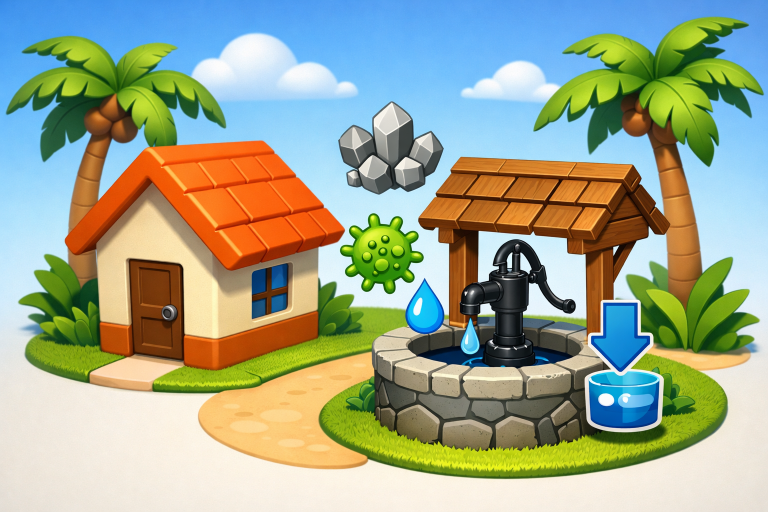
Common Well Water Issues in Tampa
Several factors can compromise well water quality in the Tampa area:
- Bacterial Contamination: Heavy rains and flooding can introduce surface water into wells, leading to bacterial presence.
- Hard Water: High levels of calcium and magnesium from limestone bedrock result in hard water, causing scale buildup and skin irritation.
- Low Water Levels: Drought conditions can lower groundwater levels, affecting well performance.
Understanding the Tampa Aquifer System
The Tampa region relies heavily on groundwater drawn from the Floridan aquifer system, which supplies water to thousands of private wells. The porous limestone that makes up the aquifer contributes to the hardness of local water but also makes the area susceptible to contamination when surface water seeps through cracks and fissures. Wells too close to septic systems or agricultural sites are especially vulnerable, as fertilizers, pesticides, and waste byproducts may leach into the groundwater.
Another important consideration is the depth and age of your well. Older wells constructed before modern safety codes may lack proper casing and sealing, increasing the risk of contamination. Shallow wells, typically less than 50 feet deep, are more prone to surface infiltration and seasonal fluctuations in water table levels. If you own or plan to purchase a property with an existing well, reviewing well construction records and arranging for a thorough inspection are prudent steps to ensure ongoing water quality.
Preventive Measures for Well Maintenance
To prevent these issues, consider the following steps:
- Regular Testing: Conduct annual water tests for bacteria, nitrates, and other contaminants.
- Water Softening Systems: Install water softeners to address hard water problems.
- Conservation Practices: Implement water-saving techniques to maintain groundwater levels.
- Physical Inspections: Walk the wellhead area regularly to check for damage, pooling water, or other signs of trouble. Make sure the concrete cap is intact and tightly sealed, and avoid storing chemicals or fertilizers nearby.
- Sanitary Well Cap Installation: Upgrade your well cap to a sanitary, vermin-proof design that prevents insects, rodents, and debris from entering the system.
- Backflow Prevention: If your irrigation system connects to the well, ensure a backflow prevention device is properly installed to avoid contamination from fertilizers or lawn chemicals.
Additional steps include professional shock chlorination if bacteria are detected, and flushing the system until chlorine is no longer present. Should you notice persistent odors, discoloration, or a sudden drop in water pressure, promptly contact a licensed well contractor for assessment.
Water Filtration and Treatment Options
Because Tampa’s well water often contains minerals and sometimes unsafe levels of contaminants, many homeowners turn to filtration systems. Point-of-entry filters, which treat all water entering the house, are effective for sediment, chlorine, and some heavy metals. For microbial risks and chemical contaminants, systems such as reverse osmosis units, UV disinfection, or activated carbon filters may be recommended. A professional assessment can help determine your specific water profile and identify customized solutions that suit both your budget and your home’s needs.
The Importance of Routine Maintenance
Neglecting your well can lead to costly repairs or health risks. Routine maintenance, including flushing sediment from the pressure tank, checking system pressure, lubricating pumps, and replacing filters as needed, extends the lifespan of your equipment and ensures consistently clean water. Setting up an annual maintenance appointment with a reputable well contractor can help you catch minor issues before they become major problems. Keep comprehensive records of every test, repair, and upgrade for future reference or if you ever decide to sell your property.
Professional Assistance
For comprehensive well maintenance and solutions, consider consulting experts. Hillsborough Pump & Well Drilling LLC, a trusted provider in the Tampa area, offers well drilling, pump repair, and water filtration systems. Their expertise ensures your well operates efficiently and safely.
Professional well contractors not only bring extensive experience but also have access to high-quality testing equipment and advanced diagnostic tools. They can troubleshoot pump failures, restore flow rates, and install environmentally friendly filtration systems. Whether you’re facing a water emergency or seeking ways to conserve and protect your well, their nuanced understanding of Tampa’s unique conditions is invaluable.
Staying Informed and Adapting to Local Regulations
Keep abreast of local water quality reports and regulations. The City of Tampa provides updates on water restrictions and quality initiatives.
Tampa’s regulatory environment requires periodic well testing and may include restrictions on outdoor water usage during drought periods. Participation in local programs, such as educational workshops hosted by the Hillsborough County Health Department, can increase your awareness of best practices and regulatory requirements. Staying connected with other well owners through community forums or local homeowner associations also provides an excellent resource for tips and troubleshooting.
A proactive approach, staying informed, conducting routine checks, and engaging with local experts, can help you comply with regulations and ensure your well water remains safe and abundant for years to come.
By proactively addressing potential well-water issues and seeking professional guidance, Tampa homeowners can ensure a safe, reliable water supply for their households.
If you’re unsure where to begin or want greater peace of mind regarding your well, don’t hesitate to reach out to trusted local professionals. Remember, a well-maintained system not only protects your family’s health but also preserves your home’s value and supports responsible water stewardship in the broader Tampa community.
Sorry, the comment form is closed at this time.