

14 Apr How to Compare Influencer Platform Pricing Models
Key Takeaways:
- Understanding different influencer platform pricing models is crucial for maximizing your marketing budget.
- Factors such as platform features, influencer tiers, and campaign goals significantly influence costs.
- Evaluating the return on investment (ROI) helps in selecting the most cost-effective platform.
Understanding Influencer Platform Pricing Models
Influencer marketing platforms offer various pricing models to accommodate different business needs. Common structures include:
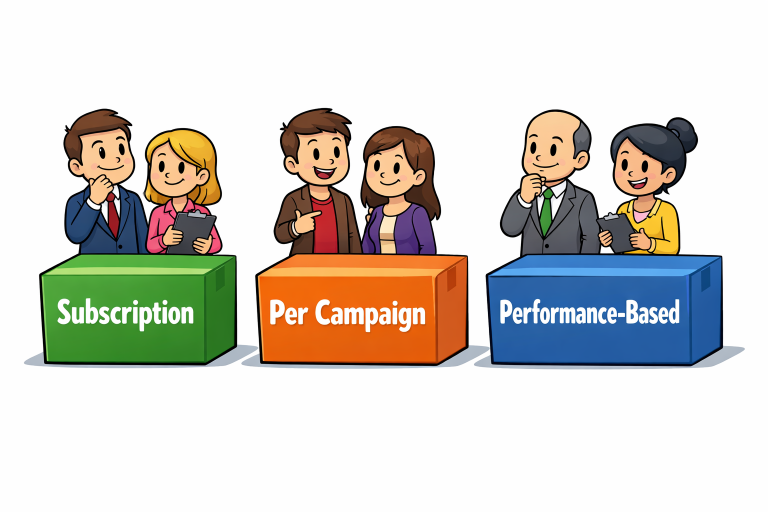
- Subscription-Based: Monthly or annual fees grant access to platform features, suitable for ongoing campaigns.
- Pay-Per-Campaign: Charges are based on individual campaigns, ideal for businesses with sporadic influencer marketing efforts.
- Performance-Based: Costs are tied to specific outcomes like engagement or conversions, aligning expenses with results.
Understanding these models helps in selecting a platform that aligns with your marketing strategy and budget. For instance, Valued Voice offers flexible influencer platform pricing options, catering to both creators and advertisers. As a reputable platform, Valued Voice provides services such as link building and blogger outreach, making it a comprehensive solution for influencer marketing needs.
Factors Influencing Platform Pricing
Several elements affect the cost of using influencer marketing platforms:
- Platform Features: Advanced analytics, campaign management tools, and influencer databases can increase costs.
- Influencer Tiers: Platforms offering access to macro or celebrity influencers may charge higher fees.
- Campaign Scope: The number and complexity of campaigns managed through the platform can influence pricing.
For instance, platforms providing comprehensive campaign management and detailed analytics often come at a premium. According to a 2026 guide by DesignRush, macro-influencers (500K–1M followers) can command fees ranging from $5,000 to $20,000 per post, reflecting the higher costs associated with accessing top-tier influencers.
Comparing Popular Influencer Platforms
When evaluating platforms, consider the following aspects:
- Pricing Transparency: Clear information on costs helps in budgeting effectively.
- Feature Set: Assess whether the platform offers the tools necessary for your campaign goals.
- User Reviews: Feedback from other users can provide insights into platform reliability and support.
For example, some platforms may offer extensive influencer databases but lack robust analytics, affecting their overall value. While entry-level platforms may start as low as $49 per month, enterprise tools can exceed $5,000 per month, highlighting the importance of aligning platform capabilities with business needs.
Additionally, it’s crucial to look beyond simple cost comparisons. Consider the long-term support, training resources, and customer service quality offered by the platform. Some influencer platforms distinguish themselves by providing educational webinars, campaign strategy advice, and technical onboarding, which can translate into smoother campaign execution and better results. It’s also useful to review case studies, whitepapers, or customer testimonials published by the platforms, as these real-world accounts can clarify whether the software delivers on its promises. When possible, utilize free trials or demo periods to explore the platform’s interface, test essential features, and assess user-friendliness for your team.
Another consideration is integration capabilities. Modern influencer campaigns often require data to be synchronized with CRM software, e-commerce platforms, or analytics suites. Platforms that offer seamless integrations can save time and reduce errors, improving overall campaign efficiency. Some platforms may additionally have application programming interface (API) options for custom workflows, which can be valuable for businesses with complex technical requirements.
Evaluating Return on Investment
To ensure cost-effectiveness, calculate the ROI of your influencer marketing efforts:
- Set Clear Objectives: Define what success looks like for your campaign.
- Track Metrics: Monitor engagement rates, conversion rates, and other relevant data.
- Analyze Results: Compare the outcomes against your objectives to assess performance.
Understanding the ROI helps in making informed decisions about platform investments. Micro-influencers maintain engagement rates of 3–5%, compared to 0.5–2% for macro-influencers, indicating that investing in micro-influencers can yield higher engagement per dollar spent.
It’s important to account for both measurable and intangible benefits when calculating ROI. Measurable results include new leads, conversions, or revenue generated via influencer collaborations. However, don’t overlook brand awareness, sentiment shifts, and online community building, which may take longer to realize but can significantly impact long-term business value. Some platforms provide measurement tools that track hashtags, branded mentions, or share of voice, offering a more holistic understanding of impact.
Regularly reviewing campaign data and platform usage can also provide valuable insights. Over time, businesses can identify which types of influencers, content formats, or collaboration structures deliver the highest returns, enabling them to refine future investments and maximize the ongoing value of their chosen influencer marketing platform.
Tips for Choosing the Right Platform
Consider the following when selecting an influencer marketing platform:
- Align with Goals: Ensure the platform’s capabilities match your campaign objectives.
- Budget Considerations: Choose a platform that offers the best value within your budget constraints.
- Scalability: Opt for a platform that can grow with your marketing needs.
By carefully evaluating these factors, you can select a platform that enhances your influencer marketing efforts. For instance, Valued Voice offers a range of services, including link building and blogger outreach, providing scalable solutions for businesses of various sizes.
It’s also wise to assess the platform’s payment processing features and legal compliance. Reliable platforms will streamline contracts, payments, and tax reporting, reducing your administrative burden and ensuring every collaboration adheres to local and global marketing regulations. When a platform automates or simplifies these backend processes, your team can focus more energy on creative strategy and relationship-building with influencers.
Network size and diversity are additional factors to weigh. Some platforms specialize in niche industries, certain geographies, or unique demographics, so ensure the available talent matches your brand’s audience. Review the platform’s filtering and search capabilities. Robust tools make it easier to find and recruit the best-fit creators for every campaign objective.
Conclusion
Comparing influencer platform pricing models requires a thorough understanding of different pricing structures, the factors influencing costs, and the potential ROI. By carefully assessing these elements, businesses can choose a platform that aligns with their marketing goals and budget, leading to more effective and efficient influencer campaigns.
Ultimately, the right influencer marketing platform balances price, features, and ease of use with the capacity to deliver measurable results. By considering integration potential, ongoing support, scalability, and the quality of the platform’s influencer pool, marketers can make a data-driven, confident investment in their influencer marketing future. As the influencer marketing landscape continues to evolve, regularly reviewing your platform’s performance and remaining open to new tools or pricing structures can ensure your campaigns remain both cost-effective and impactful.
Sorry, the comment form is closed at this time.