


16 Feb Effective Strategies for Managing Chronic Pain Without Medication
Chronic pain affects millions of people, influencing daily activities, emotional well-being, and overall quality of life. While medications are often prescribed to manage discomfort, many individuals seek alternative approaches to reduce reliance on pharmaceuticals. Lifestyle adjustments, physical therapy, mindfulness techniques, and targeted exercises can all play a significant role in managing pain and improving mobility. Understanding the underlying causes of pain is equally important, as it allows for more personalized and effective strategies that address both the physical and psychological aspects of chronic conditions.
Healthcare providers, including centers like Midwest Vascular, emphasize the value of a comprehensive approach to pain management. Incorporating practices such as gentle movement routines, ergonomic modifications, and stress reduction techniques can provide meaningful relief without medication. By combining professional guidance with daily self-care habits, individuals can cultivate sustainable strategies that improve comfort, function, and overall well-being over time.
Physical Therapy
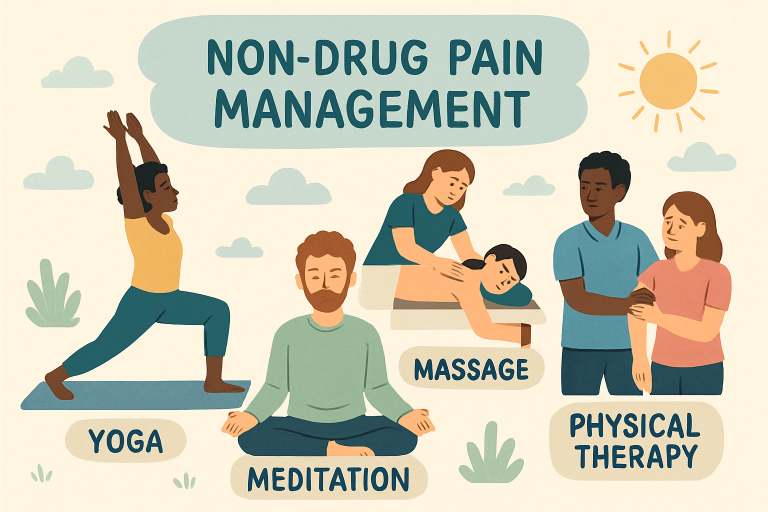
Physical therapy stands out as a cornerstone in the management of chronic pain conditions. By designing custom treatment plans, physical therapists address the root causes of pain and improve overall mobility. Therapeutic exercises, stretching routines, and manual techniques target specific areas, helping patients regain strength and flexibility. The American Physical Therapy Association notes that the benefits are both immediate and long-term, as patients build healthier movement patterns and reduce their risk of injury. These strategies are especially effective for chronic back, neck, and joint pain.
Cognitive Behavioral Therapy
Cognitive behavioral therapy (CBT) provides essential tools to help individuals cope with the emotional challenges that accompany chronic pain. Instead of focusing solely on physical symptoms, CBT addresses negative thought patterns and maladaptive beliefs that can amplify the perception of pain. Patients learn practical coping mechanisms and relaxation techniques that can reduce pain intensity and enhance mental health. According to the American Psychological Association, CBT is highly effective, often reducing reliance on pain medications and improving overall life satisfaction.
Mindfulness and Meditation
Mindfulness and meditation offer holistic approaches to pain management by fostering acceptance, relaxation, and present-moment awareness. Practices such as guided imagery, deep breathing, and body-scan meditations shift the focus from pain to self-compassion and tranquility. Research published in JAMA Internal Medicine highlights that mindfulness-based stress reduction (MBSR) programs significantly lower pain severity and improve patient outcomes over time, making them valuable components of a comprehensive pain management plan.
Acupuncture
An increasing body of evidence supports acupuncture as a safe and effective method for chronic pain relief. By inserting fine needles at specific points, this practice stimulates the body’s natural painkillers and enhances circulation. Acupuncture is often used for chronic low back pain, osteoarthritis, migraines, and fibromyalgia. The National Institutes of Health acknowledges its therapeutic value, recommending it as an option for individuals seeking non-drug solutions for persistent pain.
Exercise
Engaging in regular physical activity is crucial for managing most chronic pain conditions. Exercise releases endorphins, strengthens muscles, and improves range of motion. Approaches are highly customizable and can include low-impact activities such as walking, water aerobics, yoga, or tai chi. Harvard Health recommends that chronic pain sufferers incorporate consistent, moderate exercise routines, as they provide remarkable benefits without the dangers associated with long-term medication use.
Massage Therapy
Massage therapy harnesses the power of touch to alleviate muscle tension, promote healing, and reduce pain from various chronic conditions, including osteoarthritis and fibromyalgia. Skilled massage techniques target trigger points and enhance blood flow, which leads to both immediate and long-lasting relief. UCLA Health highlights the growing evidence supporting massage therapy as a valuable adjunct for pain management, as well as its role in lowering stress and improving sleep quality. More insights are available through UCLA Health.
Emerging Treatments
Innovative therapies offer hope for those whose pain resists traditional methods. Recently, the FDA approved suzetrigine (Journavx), a new non-opioid medication designed to manage moderate-to-severe acute pain by targeting sodium channels involved in pain signaling. This represents a shift toward more targeted, less addictive pharmacological options. Individuals should stay informed about upcoming advances, as they may redefine pain care strategies and expand the range of available non-opioid treatments.
Conclusion
Chronic pain can be effectively managed through a diverse range of therapies that do not rely on medication. By combining movement-based strategies, psychological support, mind-body interventions, and new advances, individuals can achieve relief while minimizing medication risks. Patients are encouraged to consult with their healthcare providers to develop personalized, multifaceted treatment plans that align with their needs and goals.
Sorry, the comment form is closed at this time.