


13 Feb Effective Digital Marketing Techniques for a Modern Business
Key Takeaways
- AI-driven marketing and automation streamline workflows and boost ROI.
- Cross-media marketing amplifies messaging across channels, building a cohesive brand identity.
- Cloud marketing offers cost-effective, scalable advertising solutions for diverse audiences.
- Viral marketing unlocks rapid awareness and customer involvement for swift growth.
Modern businesses operate in an era where digital adaptability is no longer optional. To succeed, companies must proactively leverage the latest technological and strategic advancements. Mastering digital marketing not only differentiates you from competitors but also provides critical opportunities to deepen customer relationships and drive sustainable growth. Organizations like Firestarter Digital specialize in guiding businesses through this dynamic online landscape, ensuring strategies stay current and effective. Harnessing the right approaches will future-proof your brand while elevating your presence across the web.
Staying ahead means integrating varied marketing methods, tailored automation, and innovative use of data-driven tools. Businesses must prioritize seamless brand messaging, cost efficiency, and genuine customer engagement to thrive. As new tools and approaches transform marketing, companies that move quickly and strategically are best positioned for success.
Building a strong marketing mix means balancing new technologies with proven fundamentals. Value-driven content, careful data management, and consistent adaptation are the foundation of a robust digital approach. With the right combination, brands can reach and convert targeted audiences while cultivating loyalty in an increasingly competitive digital ecosystem. For more insights into optimizing digital engagement, reviewing HubSpot research can be invaluable as well.
AI-Driven Marketing and Automation
Artificial Intelligence is redefining marketing strategies, allowing businesses to automate tasks that previously required significant manual effort. AI optimizes advertising budgets by predicting which placements will yield the best results and automates repetitive processes such as audience segmentation, content scheduling, and campaign analysis. With AI-based platforms, marketers can deliver highly targeted and relevant messages, maximizing efficiency and increasing ROI. Automation platforms such as Marketo and ActiveCampaign simplify lead nurturing, trigger-based email campaigns, and social media management, empowering marketing teams to focus more on creative and strategic decisions. Reports indicate that firms using AI can achieve up to 30 percent higher sales productivity, illustrating the substantial benefits of thoughtful tool integration.
Cross-Media Marketing
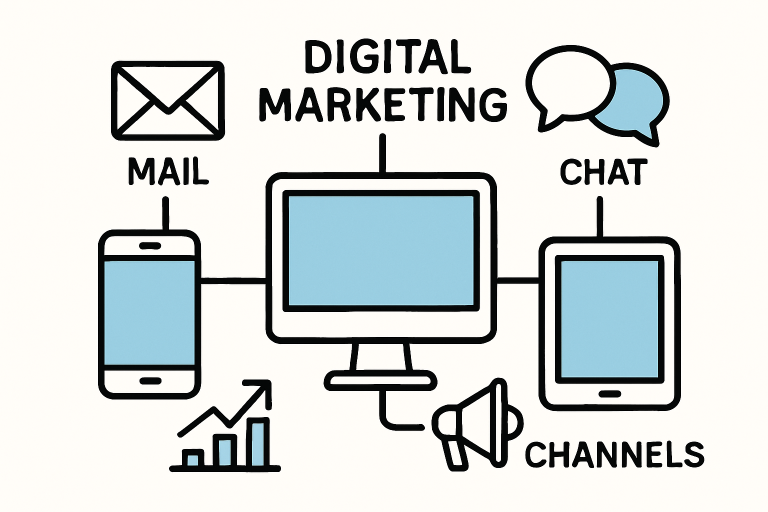
Cross-media marketing blends platforms such as television, print, email, and social media to deliver a cohesive message across every touchpoint. This approach ensures that customers experience a unified brand voice, regardless of where they interact with your business. For example, a TV advertising campaign might be enhanced by corresponding social media posts and tailored email updates, building engagement long after the commercial airs. Effective cross-media marketing starts with comprehensive planning and internal coordination to maintain message consistency, reinforcing brand reliability and recall with every customer interaction.
Cloud Marketing
Cloud marketing utilizes online platforms to deliver personalized content and dynamic advertising based on user preferences and online behavior. This approach eliminates much of the cost and waste associated with traditional print marketing while enabling brands to reach larger, yet more targeted, audiences. Features such as dynamic ad delivery, real-time analytics, and automated campaign optimization have rapidly gained traction among businesses striving to stay agile. While cloud marketing opens doors to efficient outreach, it is essential to address privacy considerations and keep pace with regulations such as the EU’s GDPR to safeguard user data and maintain trust. For further reading on digital privacy considerations, see the latest coverage at The New York Times Technology section.
Viral Marketing
Viral marketing is centered on creating highly shareable content that motivates audiences to distribute it organically, often through social networks. The hallmark of viral content is its emotional appeal, authenticity, or entertainment value, which usually leads to widespread visibility with minimal paid promotion. Historic examples include Hotmail’s automatic signature tags and Dollar Shave Club’s irreverent video launch, both cases where compelling messaging fueled exponential growth. For businesses seeking to build viral campaigns, the key is to authentically connect with the target market while encouraging interactive sharing and discussion. Strategic collaboration with influencers can further amplify visibility and reach within niche communities.
Direct Digital Marketing
Direct digital marketing enables one-to-one engagement, leveraging tools such as email, targeted social media campaigns, and mobile applications. This method encourages personalized communication, fostering deeper relationships through real-time messaging and promotions tailored to specific customer interests. Measurement is straightforward, allowing businesses to monitor response rates, adjust strategies based on outcomes, and fine-tune future messaging to align with recipient needs. Delivering valuable content is vital to retain audience attention and prevent your campaigns from being marked as spam, ensuring sustained engagement and a robust digital rapport with customers.
Real-Time Bidding and Behavioral Targeting
Advancements in programmatic advertising have ushered in techniques such as Real-Time Bidding (RTB) and behavioral targeting. These approaches allow businesses to bid for individual ad impressions based on real-time user data, ensuring advertisements are displayed to the most relevant audiences at optimal moments. Advertisers benefit from greater precision and improved conversion rates, as campaigns are continuously optimized through data analysis. However, businesses must balance the use of personal data for targeting with respect for privacy standards and the development of trustworthy practices as consumers become more conscious of how their information is used online. Periodic reviews of privacy policies and transparent data management will underpin lasting success.
Conclusion
Embracing effective digital marketing techniques is essential for businesses committed to thriving in the digital era. By seamlessly integrating AI, automation, cross-media strategies, cloud applications, viral campaigns, direct engagement principles, and real-time bidding, modern organizations can build powerful brand connections, foster engagement, and accelerate growth. Monitoring evolving trends and swiftly adopting innovative practices is critical for continued relevance and resilience in a fast-moving digital landscape.
Sorry, the comment form is closed at this time.