


10 Feb Smart Home Upgrades for Modern Living
Key Takeaways
- Smart home technology enhances comfort, efficiency, and security.
- Upgrades like smart lighting, thermostats, and security systems are foundational.
- Integration with platforms like Matter ensures compatibility across devices.
- Voice-controlled assistants centralize control of various smart home features.
Transforming your living space into a smart home is more than just keeping up with current tech trends. It’s about creating an environment that is more comfortable, energy-efficient, and secure. As smart home technology continues to evolve, these upgrades allow your home to respond intelligently to your needs and daily routines. Whether you’re just getting started or looking to enhance your setup, understanding the most valuable additions can help shape a more convenient lifestyle. For Wichita residents looking to start their journey or explore further possibilities, Your Home Wichita provides valuable insights into the best home improvement options available in the area.
From voice-activated assistants to fully integrated platforms, today’s smart home systems can simplify everyday activities and even anticipate your preferences. Innovations in lighting, temperature, and security not only boost comfort but also contribute to a more sustainable and safer environment. By adopting these solutions, every room becomes more adaptable, and your energy usage becomes smarter and easier to control.
Another notable advantage of modern smart home technology is compatibility. Open standards like Matter are making it much easier for products from different brands to work together seamlessly. This connectivity ensures your choices today remain relevant as new devices and solutions arrive in the market.
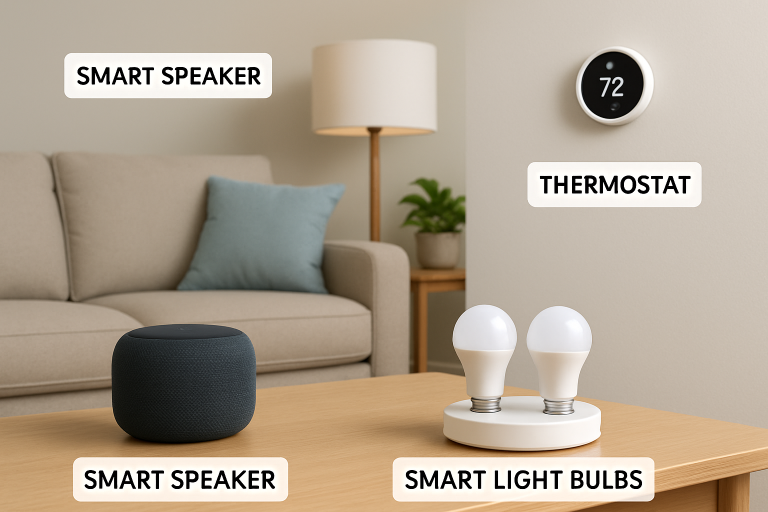
Smart Lighting Systems
Smart lighting is often the first step many homeowners take toward modernization. Systems from leading brands allow you to control illumination with your smartphone or simple voice commands. This flexibility lets you adjust brightness, choose from millions of colors, and customize lighting schedules to fit your day-to-day rhythm. Many smart lights also feature motion detection, meaning lights automatically turn on when you enter a room and shut off when you leave, reducing unnecessary power use. For added safety while you’re away, programmable lighting patterns can mimic occupancy, discouraging unwanted visitors.
Newer lighting systems often connect easily with other smart home devices, enabling advanced routines such as dimming lights for movie nights or gradually brightening them in the morning. According to The New York Times Wirecutter, smart lighting kits can simplify energy savings and offer a high return on investment through improved convenience and efficiency.
Intelligent Thermostats
One of the standout advancements in home automation is the intelligent thermostat. Unlike traditional models, these devices learn your habits and automatically manage heating and cooling to maximize both comfort and savings. By analyzing when you typically leave for work or go to bed, the thermostat can adjust settings to save energy without sacrificing comfort. Many units support remote control via mobile apps, letting you come home to the perfect temperature or respond to unexpected schedule changes from virtually anywhere.
Intelligent thermostats also generate detailed reports, allowing you to monitor usage and identify additional areas to optimize. With leading examples on the market, like Google Nest and Ecobee, utility companies may even offer rebates for installing these energy-saving devices, making them an even smarter investment in the long run. Additional data on smart thermostat performance is widely available from sources such as Energy Star, confirming their effectiveness and potential for significant savings.
Advanced Security Systems
Securing your home no longer means choosing between convenience and peace of mind. Today’s advanced security systems provide features such as live video surveillance that you can monitor anywhere, motion-activated alerts, and the ability to check door or window status at a glance. Mobile notifications keep you connected to what matters most, wherever you are. Installing smart locks and video doorbells enhances not only security but also communication with visitors, delivery drivers, and family members.
Many security systems now integrate seamlessly with other smart home devices, enabling custom routines at specific times, such as automatically turning on exterior lights when motion is detected at night. Homeowners benefit from greater visibility into what’s happening around their property, all controlled from a single place.
Voice-Controlled Assistants
Voice-controlled assistants, such as Amazon Alexa and Google Assistant, serve as the backbone of a fully connected home. These systems enable you to use natural language to command devices, check the news, manage your schedule, or even make shopping lists hands-free. Integrating a voice assistant centralizes control, letting you manage lighting, climate, entertainment, and security with simple voice commands.
Additionally, these assistants are continually updated with new features, ensuring your smart home experience stays current and intuitive, making home management as simple as speaking aloud. Many families find these devices especially helpful for multitasking and managing daily routines with ease.
Integrated Smart Home Platforms
With the rise of smart devices, keeping everything synchronized can be a challenge. Integrated platforms act as bridges, letting you centrally manage and automate smart products from multiple brands in a single dashboard.
This integration enables routines such as adjusting the thermostat, locking the door, and switching off the lights with a single tap before bedtime. Homogeneous control not only makes daily life simpler but also expands what your devices can do through advanced automations.
Energy Management Solutions
Smart home energy management systems go beyond monitoring to help you optimize how you use power. Smart plugs and energy monitors display usage in real time, helping you pinpoint inefficiencies and correct wasteful habits. Increasingly, these tools will integrate with renewable energy solutions, such as solar panels, to make intelligent decisions about when and how to use or store power. This approach not only drives down utility bills but also lowers your home’s carbon footprint, contributing to a more sustainable community.
Smart Appliances
Modern appliances are also evolving. Smart refrigerators can assist with meal planning and notify you when items are low. Ovens offer remote preheat functions and recipe guidance, while laundry systems can alert you when cycles are complete. Some even go a step further, automatically reordering supplies as needed for added convenience. Integration with broader smart home platforms lets you tie everything together, so appliances become part of a seamless experience that responds to or anticipates your needs.
Final Thoughts
Upgrading to a smart home is one of the most impactful ways to improve everyday life, combining efficiency, convenience, and robust security. From energy-saving lighting to appliances that anticipate your needs, these technologies work together to make any living space more intelligent and responsive. As standards like Matter expand compatibility and new solutions arise, staying informed and investing in the right upgrades will keep your home comfortable, secure, and future-ready.
Sorry, the comment form is closed at this time.