


12 Jan Food Van Business Plan for Single Operator Efficiency Planning
Running a food van as a single operator can be both rewarding and challenging. You are in control of every aspect of your business. However, you also bear all the responsibilities alone. Therefore, creating a solid business plan focused on efficiency is essential for success.
This guide will help you develop a comprehensive plan that maximizes your productivity while maintaining quality service. Additionally, you will learn strategies to manage workload, optimize operations, and grow your mobile food business sustainably.
Understanding the Single Operator Food Van Model
A single operator food van means you handle everything yourself. You cook the food, serve customers, manage inventory, and clean up afterward. This model offers complete control over your business operations.
However, it also means you need exceptional organizational skills. Moreover, you must be prepared for long hours and physical demands. Consequently, planning becomes your most valuable tool for success.
Creating Your Core Business Foundation
Start by defining your concept clearly. What type of food will you serve? Who is your target customer? Furthermore, where will you operate your van?
Your menu should be simple yet appealing. Additionally, it must be executable by one person during busy periods. Therefore, focus on dishes that can be prepared efficiently without compromising quality.
Consider your unique selling proposition. What makes your food van different from competitors? This distinction will help you attract and retain customers in a crowded market.
Equipment Selection for Maximum Efficiency
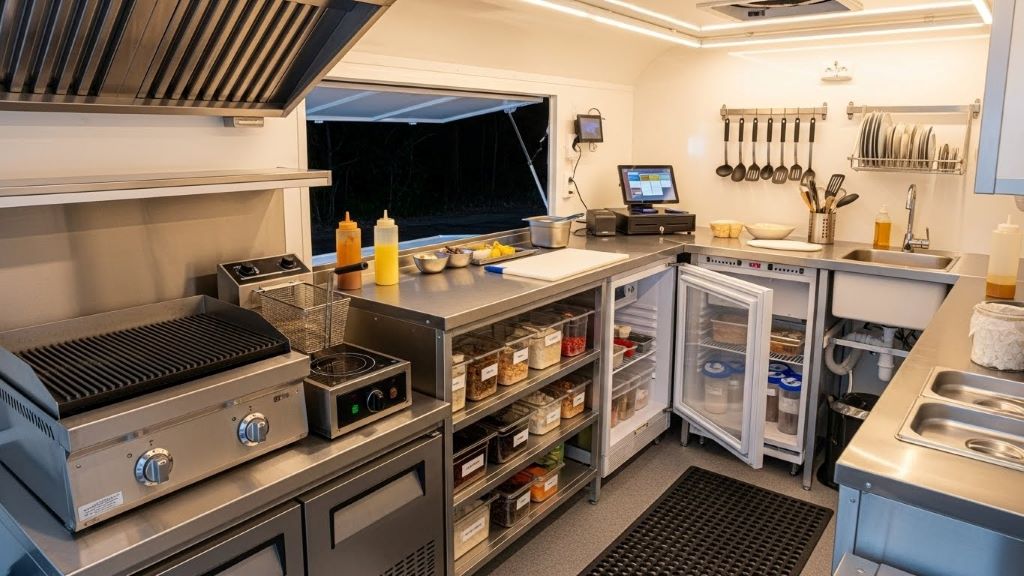
Choosing the right equipment is crucial for single operator success. Your van should have everything you need within arm’s reach. Moreover, each piece of equipment must serve multiple purposes when possible.
Invest in quality cooking appliances that heat quickly and maintain consistent temperatures. Additionally, consider equipment that requires minimal supervision during cooking. This allows you to multitask effectively.
Storage solutions are equally important. Organize your ingredients and supplies logically. Furthermore, use clear containers and labels to speed up food preparation during service hours.
Menu Design for Solo Operations
Your menu is the heart of your efficiency plan. Keep it focused with five to eight core items initially. This limitation allows you to master each dish and streamline preparation processes.
Choose recipes that share common ingredients. This reduces inventory complexity and minimizes waste. Additionally, prep work becomes more efficient when ingredients serve multiple dishes.
Include items at various price points to attract different customer segments. However, ensure all items can be prepared quickly during peak hours. Speed is essential when you are working alone.
Streamlining Your Workflow
Develop a systematic workflow that minimizes unnecessary movement. Arrange your workspace following the natural progression of food preparation. Start with raw ingredients on one side and finish with plating on the other.
Implement a mise en place system religiously. Prepare ingredients in advance whenever possible. Therefore, during service hours, you simply assemble and cook rather than starting from scratch.
Create checklists for daily tasks. These lists ensure nothing is forgotten during busy periods. Moreover, they help you maintain consistency in food quality and service standards.
Location Strategy and Time Management
According to the U.S. Small Business Administration, location significantly impacts food business success. Research high-traffic areas with limited competition. Additionally, investigate permit requirements and parking regulations thoroughly.
Develop a schedule that maximizes your earning potential. Identify peak meal times in your chosen locations. Furthermore, consider rotating between different spots throughout the week to reach diverse customer bases.
Time blocking is essential for single operators. Dedicate specific hours to preparation, service, cleaning, and administrative tasks. This structure prevents burnout and ensures all business aspects receive adequate attention.
Financial Planning and Cost Control
Calculate your startup costs realistically. Include van purchase or rental, equipment, initial inventory, permits, and insurance. Additionally, set aside an emergency fund for unexpected expenses or slow periods.
Track every expense meticulously from day one. Understanding your costs helps you price menu items appropriately. Moreover, it reveals opportunities to reduce expenses without sacrificing quality.
Establish realistic revenue projections based on market research. However, plan for slower periods initially as you build your customer base. Therefore, ensure you have sufficient capital to sustain operations for at least six months.
Marketing on a Solo Budget
Social media is your most cost-effective marketing tool. Post daily updates about your location, menu specials, and behind-the-scenes content. Additionally, engage with followers to build a loyal community around your brand.
Partner with local businesses and events to increase visibility. Offer catering services for small gatherings. Furthermore, consider loyalty programs that encourage repeat customers without complex management systems.
Encourage customer reviews and testimonials. Positive word-of-mouth marketing is invaluable for food vans. Moreover, respond professionally to all feedback to demonstrate your commitment to customer satisfaction.
Health and Safety Compliance
Food safety is non-negotiable in the food industry. Obtain all necessary permits and licenses before launching. Additionally, complete food handler certification to understand proper safety protocols.
Implement rigorous cleaning schedules. Sanitize surfaces regularly throughout the day. Furthermore, maintain proper food storage temperatures to prevent contamination and spoilage.
Keep detailed records of food sources and temperatures. This documentation protects you in case of health inspections. Moreover, it demonstrates your professionalism and commitment to safety standards.
Managing Physical and Mental Demands
Operating a food van alone is physically demanding. Invest in comfortable, non-slip shoes and supportive floor mats. Additionally, practice proper lifting techniques to prevent injuries.
Schedule regular breaks even during busy periods. Your health directly impacts your business success. Therefore, prioritize self-care and rest to maintain energy levels and enthusiasm.
Build a support network of fellow food entrepreneurs. Share experiences and advice with others in the industry. Furthermore, consider joining food truck associations for resources and community support.
Technology Integration for Efficiency
Mobile point-of-sale systems streamline transactions and track sales automatically. These systems also help manage inventory levels. Additionally, they provide valuable data about customer preferences and peak sales periods.
Use scheduling apps to manage your time and appointments effectively. Digital calendars prevent double-booking and help you plan prep time appropriately. Moreover, they send reminders for important tasks and deadlines.
Consider inventory management software designed for small food businesses. These tools predict ingredient needs based on sales patterns. Therefore, you can order supplies efficiently and reduce waste.
Growth Planning and Scalability
Start small but plan for growth from the beginning. Document all your processes and recipes systematically. This documentation becomes valuable when you are ready to hire help or expand operations.
Set specific, measurable goals for your first year. However, remain flexible enough to adjust based on market response. Research from Forbes shows that successful businesses regularly review and update their plans.
Consider future expansion options. Could you add a second van eventually? Might you transition to a permanent location? Therefore, make decisions today that support your long-term vision.
Conclusion
Creating an effective food van business plan as a single operator requires careful consideration of every operational aspect. Focus on efficiency through smart equipment choices, streamlined workflows, and strategic menu design. Additionally, prioritize time management, financial discipline, and self-care to ensure sustainable success.
Your business plan should be a living document that evolves with your experience. Moreover, it should balance ambition with realistic assessment of your capabilities. By implementing these strategies, you position yourself for profitability while maintaining the quality and passion that inspired your food van dream.
Remember that success rarely happens overnight. However, with thorough planning and consistent execution, your single operator food van can thrive in the competitive mobile food industry.
Frequently Asked Questions
How much money do I need to start a single operator food van?
Startup costs typically range from fifteen thousand to seventy-five thousand dollars. This includes van purchase or rental, equipment, initial inventory, permits, insurance, and working capital. However, costs vary significantly based on your location, menu complexity, and whether you buy new or used equipment.
What are the most profitable food items for a solo food van operator?
Items with high profit margins and quick preparation times work best. These include gourmet sandwiches, tacos, specialty coffee drinks, and desserts. Additionally, focus on dishes that use affordable ingredients with perceived high value to customers.
How many hours per day should I plan to work initially?
Most successful single operators work ten to fourteen hours daily during the first year. This includes preparation time, service hours, cleaning, and administrative tasks. However, you can reduce hours as you become more efficient and establish your customer base.
Do I need previous food industry experience to run a food van alone?
While experience helps, it is not absolutely necessary. Many successful operators started without formal culinary training. However, you should complete food safety certification and practice your recipes extensively before launching. Additionally, strong organizational skills and customer service abilities are equally important.
How do I handle days when I am sick or need time off?
Build a financial buffer for closures during your planning phase. Additionally, communicate clearly with customers through social media about your schedule. Some operators develop relationships with trusted friends or family who can occasionally help. However, accepting that occasional closures are part of solo operation is important for long-term sustainability.
Related Topics:
Sorry, the comment form is closed at this time.