

03 Jan Privacy and Safety in Modern Healthcare Spaces
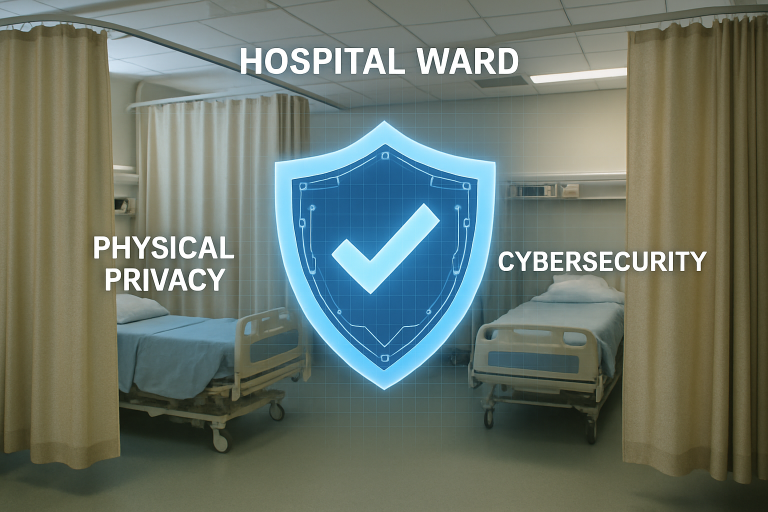
Today’s healthcare environments are facing unprecedented demands not just to provide exceptional patient care, but also to ensure privacy and safety in all aspects of their operations. As medical systems evolve and new technologies become central to patient services, comprehensive approaches to both physical and digital security are essential. Choosing the right solutions, such as hospital cubicle curtains, can play a surprisingly crucial role in creating private, protected spaces that safeguard patient dignity and health information.
With cyberattacks on the rise and stringent regulations governing privacy, modern healthcare organizations must strike a balance between security and accessibility. The challenge extends beyond securing data; it’s about preserving the sacred trust between patients and providers, ensuring that sensitive conversations and personal details remain confidential, and that physical and virtual environments are both secure and welcoming.
Importance of Patient Privacy
Patient privacy is fundamental in healthcare, as it safeguards personal health information (PHI) and fosters trust between patients and their providers. Breaches of PHI can lead to serious consequences, including identity theft and a loss of confidence in the healthcare system. Effective privacy measures include using partitions and secure communication to prevent unintended disclosures, especially in high-turnover settings. With the rise of digital records, protecting PHI now involves a multifaceted approach that encompasses technology, training, and procedural enforcement. Ultimately, ensuring privacy not only protects data but also supports a safe environment for patients to discuss personal concerns, leading to improved diagnoses and care.
Cybersecurity Threats in Healthcare
Healthcare organizations are attractive targets for cybercriminals due to the high value of medical data on the black market. In 2023, the volume of breaches escalated dramatically, affecting over 167 million individuals and exposing sensitive information, including Social Security numbers and detailed medical histories. Ransomware attacks, phishing schemes, and unauthorized access are among the most common forms of digital threats, resulting in system downtimes, data theft, and costly legal ramifications.
Recognizing these vulnerabilities, national governments are intervening with stricter rules. For instance, the Biden administration recently proposed enhanced cybersecurity regulations for healthcare providers to mitigate the impact and frequency of such attacks. Defending against these threats requires robust encryption, proactive network monitoring, regular software updates, and clear response plans.
Physical Security Measures
While digital threats make headlines, physical security remains a foundational component of healthcare safety. Without control over who can access medical areas or equipment, the risks of theft, violence, or unwanted exposure of patient information increase significantly. Securing entrances, monitoring visitor movement, and restricting access to medications and critical systems all contribute to a safer environment for patients, staff, and visitors.
Facilities have responded by installing advanced surveillance systems, establishing secure entry points, and requiring staff to wear identification badges. However, the physical layout itself—including the strategic placement of privacy curtains and barriers—plays a crucial role in preventing accidental disclosures and maintaining safe zones for care.
Role of Access Control Systems
Modern access control is more than just locks and keys. Today’s systems enable the detailed management of who can enter specific areas, track entry in real-time, and adjust permissions instantly during emergencies. By integrating with other security infrastructure, these systems reduce monitoring costs and enhance the effectiveness of broader safety protocols.
For instance, Green Cross Health implemented a comprehensive access solution and cut monitoring costs by 50% while strengthening the safety of its facilities. Read more about their approach and the impact of these systems in healthcare from Gallagher Security’s insights on access control in healthcare.
Regulatory Compliance and Standards
Regulations such as the Health Insurance Portability and Accountability Act (HIPAA) in the U.S. mandate how healthcare organizations handle patient data and define strict penalties for non-compliance. Regular audits, ongoing staff education, and policy updates are essential to maintaining compliance.
Adhering to these standards not only prevents legal repercussions but also provides a framework for developing sound, patient-centered security practices. Accreditation bodies and external audits help guide organizations toward continual improvement in their handling of sensitive information.
Training and Awareness Programs
The human element remains one of the most significant risk factors in both digital and physical breaches. Even the best security systems can be compromised by a lack of awareness or simple human errors. Continuous training in best practices, simulated phishing exercises, and regular updates on evolving threats empower healthcare teams to be the first line of defense.
Engaging staff in regular security discussions and rewarding vigilance promotes an organizational culture where privacy and safety are universal priorities. Clear protocols and checklists also help staff respond swiftly and correctly in situations ranging from suspicious emails to missing identity badges.
Emerging Technologies and Privacy
The healthcare sector’s rapid adoption of technologies such as artificial intelligence (AI) and the Internet of Things (IoT) brings dramatic improvements in diagnosis and care but also poses new privacy concerns. Devices that transmit and store patient data must operate under rigorous safeguards. For example, federated learning enables the training of AI models on distributed data while keeping patient information from leaving hospital premises, and differential privacy techniques can further protect identities even in large-scale analysis.
As healthcare technology continues to evolve, adopting privacy-preserving technical approaches and incorporating privacy by design into new system development becomes increasingly essential. Beyond compliance, these practices will maintain patient trust and enable responsible innovation in years to come.
Conclusion
Privacy and safety in modern healthcare settings require a coordinated and multilayered approach. Robust physical and digital security protocols, regulatory compliance, investment in staff training, and thoughtful attention to space design all reinforce each other to create safer, more trustworthy environments for patients and care teams. As risks and regulations continue to evolve, healthcare organizations that embed privacy and safety at every level will be best positioned to provide the highest standard of care—and earn the trust of those they serve.
Sorry, the comment form is closed at this time.