


03 Jan Dental Implants: Modern Techniques and Lifelong Benefits
Dental implants have dramatically altered the landscape of restorative dentistry, giving individuals options that are not only durable but also closely mimic the look and feel of natural teeth. Today’s leading-edge innovations are making these solutions more accessible, comfortable, and long-lasting. This comprehensive guide explores the most recent advancements in implant technologies and highlights the profound, long-term benefits they offer. For those considering advanced dental care or seeking expert consultation, resources like the Pikos Institute provide a wealth of information and specialized services from the foremost leaders in implant dentistry.
Whether you have lost a single tooth or require a more extensive full-arch restoration, modern dental implants can significantly enhance your quality of life. The integration of digital technologies and advanced biological methodologies has improved both the patient experience and clinical outcomes. These techniques allow for shorter recovery times, more natural aesthetics, and greater confidence in everyday life.
Introduction to Dental Implants
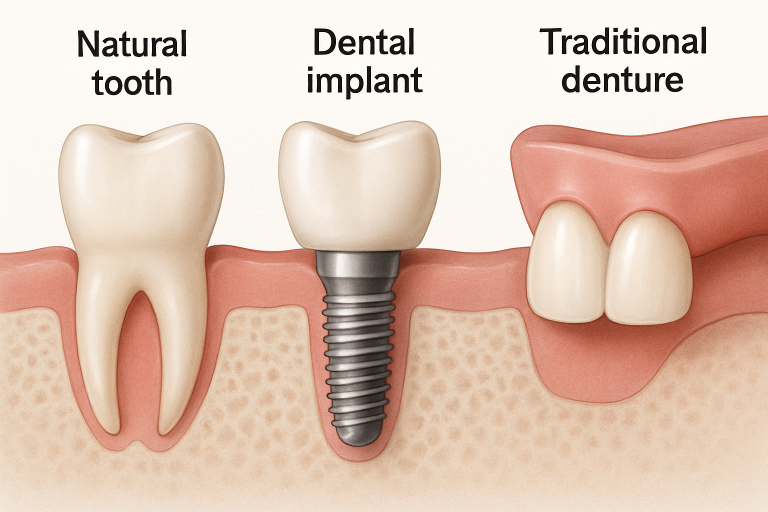
Dental implants serve as artificial tooth roots, typically made from biocompatible materials, that anchor replacement teeth securely into the jawbone. Unlike traditional bridges or removable dentures, implants are designed to fuse with the bone through a process known as osseointegration. This not only creates a stable foundation for one or more artificial teeth but also helps preserve the jawbone’s structure and health by preventing bone loss over time.
Implants can dramatically improve speech, comfort, and self-esteem by eliminating the inconvenience and insecurity associated with removable prosthetics. They blend seamlessly with natural teeth, both in appearance and function, allowing recipients to bite, chew, and speak with renewed confidence.
Advancements in Implant Materials
Recent years have seen significant progress in implant materials. While titanium remains the standard due to its strength and biocompatibility, zirconia implants are gaining traction, especially for patients with metal sensitivities or aesthetic concerns. Zirconia, a strong ceramic material, is prized for its tooth-like color and non-metallic composition, making it especially ideal for implants in the front of the mouth where appearance matters most.
Furthermore, advancements in the micro-texturing and coating of implant surfaces have led to faster, more predictable healing. By improving the surface’s compatibility with bone cells, modern titanium and zirconia implants can shorten the integration period and enhance long-term stability. This means fewer complications and better patient outcomes.
Digital Implant Planning and 3D Printing
The digitization of dental implant workflows has made procedures more accurate and patient-friendly. Digital intraoral scanners now produce detailed 3D images of a patient’s teeth and jaw, replacing messy traditional impressions. Surgeons use these high-precision models to simulate the procedure and fabricate surgical guides via 3D printing. These guides ensure implants are positioned with near-perfect precision, reducing the risk of error and streamlining the surgical process.
This digital revolution not only improves the fit and aesthetics of the final restoration but also enhances patient safety, shortens chair time, and significantly reduces discomfort. Digital implant planning has led to predictable, repeatable, and safe outcomes that benefit both clinicians and patients.
Minimally Invasive Techniques
Innovative surgical procedures, such as the All-on-4® method, have made implant placement less invasive than ever before. This approach allows a full arch of teeth to be supported by only four strategically angled implants, eliminating the need for extensive bone grafting in most cases. By utilizing regions of dense jawbone and minimizing incisions, these techniques reduce trauma, encourage quicker healing, and provide immediate function for the patient.
The minimally invasive nature of modern implant procedures contributes to higher patient satisfaction and fewer postoperative complications, opening the door to successful treatment for individuals who otherwise might not qualify for traditional implants due to bone loss or systemic health concerns. For further insight into the evolution of minimally invasive dental techniques, the Mayo Clinic provides detailed patient-focused resources.
Biological Enhancements for Faster Healing
One of the most important advances in dental implantology has been the use of biological adjuncts, such as Platelet-Rich Fibrin (PRF) therapy. PRF is derived from a small sample of the patient’s own blood, which is concentrated to contain growth factors that accelerate healing, reduce postoperative inflammation, and support the regeneration of bone and gum tissue around the implant.
Clinical studies indicate that PRF and similar regenerative technologies can increase healing speed by up to 85% and improve the long-term integration of the implant with the jawbone. This allows more patients to qualify for and benefit from implants, even in more challenging cases.
Robotic and AI-Assisted Implant Placement
The latest wave of innovation comes through robotics and artificial intelligence (AI). AI-powered software assists with analyzing CT and 3D scan data to deliver highly personalized surgical plans. Some robotic systems can guide the surgeon’s hand or even perform specific surgical steps under close supervision, reducing human error, increasing accuracy, and making procedures more predictable—particularly in complex or multi-implant cases.
This technology is a significant step forward in the field, offering dentists and their patients reassurance that every implant is placed in the optimal position for function, appearance, and longevity.
Long-Term Success and Patient Satisfaction
Dental implants are designed with longevity in mind and have demonstrated survival rates exceeding 95% in clinical studies over decades. With regular check-ups and proper home care, implants can last more than 40 years. The boost to self-confidence, facial aesthetics, and resilience against bone loss places dental implants in a league of their own within modern dentistry.
Patients consistently report a transformative impact on their daily lives, encompassing improved nutrition, clearer speech, and unrestricted smiles. The ability to care for implants like natural teeth streamlines hygiene routines and supports broader oral and systemic health.
Conclusion
As dental implant technologies advance, so too do the treatment possibilities and long-term benefits available to patients. From next-generation materials and digital workflows to minimally invasive procedures and the integration of regenerative and robotic techniques, modern dental implants provide reliable, natural-looking solutions for missing teeth. With ongoing innovations and comprehensive professional guidance, dental implants stand as a testament to the powerful intersection of science, artistry, and patient-centered care in dentistry.
Sorry, the comment form is closed at this time.