


17 Dec Maintenance Matters: When and How to Replace Escalator Brushes
Key Takeaways
- Escalator brushes are crucial for ensuring passenger safety and meeting regulatory requirements.
- Regular inspection and timely replacement help prevent operational hazards.
- Choosing the right materials and relying on professional services enhances the effectiveness and durability of skirt brushes.
Understanding the Role of Escalator Brushes
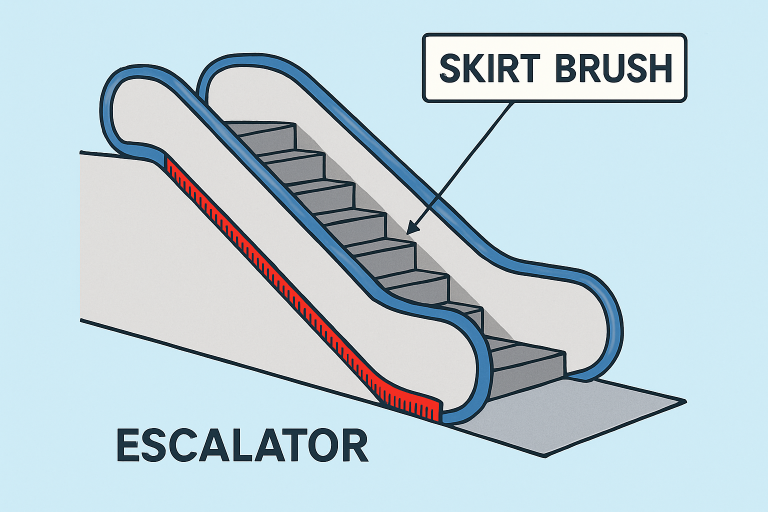
Essential components in modern escalator systems, skirt brushes are designed to provide a safety buffer between moving steps and the stationary skirt panel. Their main function is to minimize the risk of entrapment, ensuring that clothing, footwear, or small objects do not become caught in hazardous gaps. Not only do they protect passengers, but they also extend the useful life of your escalator by preventing unnecessary wear on other critical parts. For businesses in need of high-quality replacements, sourcing an elevator skirt brush Niles, IL ensures reliable performance and compliance with safety standards.
The importance of skirt brushes cannot be overstated. Incidents involving entrapment can lead to serious injuries and significant legal issues for property owners and managers. This is why both regular inspection and swift replacement are fundamental parts of safe and effective escalator operation.
Signs That Escalator Brushes Need Replacement
Knowing when to replace escalator brushes is crucial for both safety and compliance. Key signs indicating necessary replacement include:
- Visible Wear and Tear: Look for frayed, broken, or missing bristles, as these compromise the brush’s ability to function as a protective barrier.
- Reduced Effectiveness: If you notice an increased likelihood of passengers coming into contact with skirt panels, the brushes may no longer be effective.
- Compliance Issues: Functionally impaired brushes may lead to non-compliance with local, state, or national safety regulations, increasing exposure to fines and liabilities.
Remaining proactive in your maintenance efforts can reduce downtime and contribute to the safe operation of escalators in your facility. Regular assessments and having a schedule for component evaluations are best practices that ensure issues are resolved before they escalate.
Recommended Maintenance Schedule
A planned maintenance schedule is vital to keeping your escalator system running smoothly and safely. Here is a guideline recommended by industry professionals:
- Daily: Conduct quick visual inspections for major defects, misplaced brushes, or any debris lodged within the system.
- Biweekly: Perform a more comprehensive check, including testing brush performance by observing interaction with the skirt area during peak operating hours.
- Annually: Replace any brushes showing significant deterioration or that have reached the end of their recommended lifespan, even if wear is not immediately apparent.
According to the Occupational Safety and Health Administration, a documented and frequent maintenance plan is integral to accident prevention and regulatory compliance.
Steps to Replace Escalator Brushes
Step-by-Step Guide to Replacement
- Power Down: Engage the primary power lockout to ensure the escalator can’t activate during the procedure.
- Remove Old Brushes: Detach the worn skirt brushes from their mounting hardware, taking note of their installation angle and positioning.
- Clean All Mounting Surfaces: Remove dust, grease, and old residue to ensure a smooth surface for the new brush.
- Install and Align: Secure the replacement brushes in place, ensuring they are properly aligned and attached according to the manufacturer’s recommendations.
- Test and Inspect: Restore power, observe the operation at slow speed, and verify that the brushes effectively prevent passenger contact with skirt panels.
Proper technique not only extends the life of the replacement brushes but also enhances overall system performance and safety.
Choosing the Right Replacement Brushes
Not all skirt brushes are made equally. When selecting replacements, prioritize brushes made from durable materials such as high-quality nylon bristles paired with aircraft-grade aluminum channels. These materials are both flexible and resistant to corrosion, providing long-term reliability. Additionally, look for options that incorporate flame-retardant additives to meet fire safety standards required by most major regulations.
Always check that the products you select comply with regulatory standards, as third-party certification guarantees both safety and performance. The National Fire Protection Association (NFPA) provides guidelines on escalator fire safety that emphasize the importance of incorporating flame-retardant components throughout public infrastructure.
Professional Maintenance Services
While daily and periodic inspections can be performed by facility personnel, in-depth maintenance and replacement should be handled by certified technicians familiar with escalator systems. Professionals are trained to recognize subtle warning signs, recommend appropriate replacement materials, and ensure that all work complies with current codes and standards.
Engaging professional services not only reduces the likelihood of accidents but can also provide documentation for compliance audits or insurance claims, offering an added layer of protection for building managers.
Compliance with Safety Regulations
In many jurisdictions, functional skirt brushes are not just a recommendation—they are a regulatory requirement. Regular maintenance and prompt replacement prevent costly violations and decrease liability in the event of an incident. Staying up to date on both local and national requirements ensures your escalator systems consistently meet safety standards.
Facility managers are encouraged to review applicable codes regularly and consult with industry experts on any updates to safety legislation that may affect escalator operation.
Final Thoughts
Regularly inspecting, maintaining, and replacing escalator brushes is crucial in ensuring passenger safety and maintaining compliance with evolving safety standards. By implementing a structured maintenance routine, selecting high-quality replacement products, and utilizing professional expertise, facility managers can significantly enhance escalator reliability and prolong system longevity.
Sorry, the comment form is closed at this time.