


02 Dec 7 Common Mistakes People Make After A Dui Arrest
Being arrested for driving under the influence (DUI) can be a stressful and confusing experience. The choices you make in the hours and days following your arrest can dramatically affect the outcome of your case and your future. Knowing what to do—and what not to do—can save you from harsher penalties, long-term consequences, and additional charges. For reliable legal guidance, it’s essential to act quickly and get the right help, such as from martinlawfirmpc.com, to ensure your rights are protected throughout the process.
Missteps after a DUI arrest are unfortunately common and can also be very costly. Even minor errors could cause you to lose your driving privileges, face additional charges, or limit your defense options. Understanding these mistakes and taking steps to avoid them is your best defense after a DUI charge.
This article reviews the seven most common mistakes people make after a DUI arrest, along with practical steps you can take to protect your rights and improve your case outcome. Avoiding these mistakes and seeking reputable legal counsel promptly can put you in a significantly stronger position as your legal case progresses. Pay close attention to state deadlines and requirements, as DUI procedures and penalties can vary.
Delaying Legal Representation
One of the most significant errors individuals make after a DUI arrest is waiting too long to consult with an attorney. The window for mounting a successful defense and protecting your driving privileges is often very short. For example, in many states, you may have only 10 days to request a hearing to challenge your license suspension. Failing to act quickly puts you at risk of missing critical deadlines, weakening your position before your case even begins. Seasoned DUI lawyers help you navigate administrative and criminal proceedings, manage deadlines, and develop the strongest defense strategy for your situation.
Ignoring Administrative License Suspension
Many people focus their attention on the criminal aspect of DUI charges and overlook the automatic administrative license suspension triggered by a DUI arrest. This suspension is a separate process from your criminal proceedings and often begins well before a court verdict is rendered. If you do not request a formal review hearing by the strict deadline set by your state, you may lose your license for months, or even years, regardless of the outcome of your criminal case. Obtaining immediate legal advice and taking prompt action is crucial to contesting the suspension and preserving your driving privileges.
Providing Incriminating Statements
It’s understandable to want to explain your side of the story to police or investigators after a DUI arrest, but this urge can be dangerous. Anything you say, whether to law enforcement or even casual acquaintances, can be used against you. Exercising your right to remain silent and speaking only through your attorney is often the safest course of action. Admitting fault, providing unnecessary details, or attempting to negotiate with law enforcement can undermine your entire defense and lead to more severe consequences.
Missing Court Dates
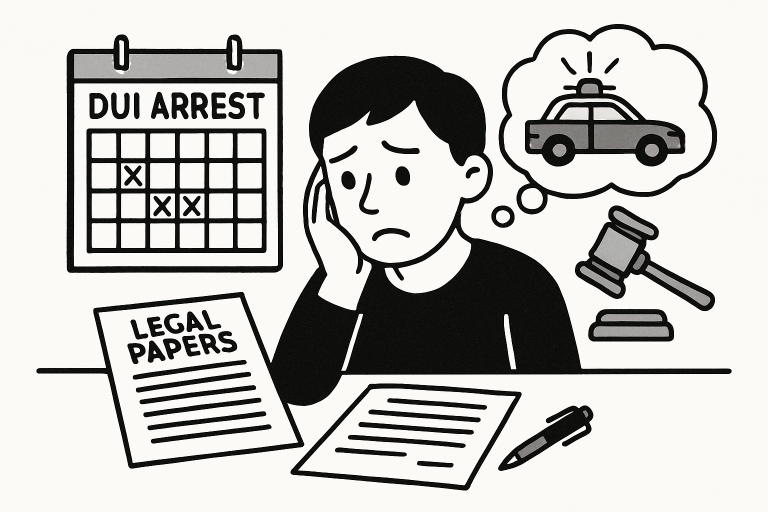
Failing to show up for scheduled court hearings is a grave mistake that can result in additional charges, the issuance of a bench warrant for your arrest, or even mandatory jail time. It’s critical to keep an accurate calendar and plan well in advance for all court appearances. Missing even a single date signals to the court a lack of accountability and could negatively affect the judge’s perception of your case.
Apart from legal proceedings, some individuals mistakenly discuss their DUI charges with friends, family, or even strangers. Others may seek guidance online, which can expose sensitive details. Remaining discreet is key to limiting the prosecution’s access to additional information that can be used against you.
Discussing the Case on Social Media
With social media as an integral part of daily life, many people make the mistake of posting about their DUI arrest online. Prosecutors frequently monitor social media accounts for any information that might strengthen their case. Even seemingly harmless comments, photos, or check-ins can be misconstrued and used as evidence. Avoid sharing any information about your arrest or the events leading up to it on public platforms, and advise your friends and family to do the same.
Assuming Breathalyzer Results Are Irrefutable
There’s a common misconception that breathalyzer test results are always accurate and cannot be challenged. In reality, several factors can affect the accuracy of these devices, including improper calibration, maintenance errors, health conditions, and faulty administration. An experienced DUI defense attorney can investigate the circumstances surrounding your test and may be able to dispute the reliability of the results, leading to reduced or dismissed charges in some cases.
Continuing to Drive Under the Influence
After a DUI arrest, some individuals neglect the seriousness of the offense and repeat their mistake by driving under the influence again. A second or subsequent offense results in substantially harsher penalties, including longer license suspensions, higher fines, mandatory alcohol education programs, and possible jail time. The repercussions can extend well beyond the courtroom, affecting your employment, insurance rates, and personal reputation. Committing to sobriety and avoiding risky behaviors is crucial during and after your case resolution.
Conclusion
A DUI charge can have life-altering consequences, but the mistakes you make post-arrest can make your situation far worse. Avoid delaying legal counsel, don’t ignore essential deadlines, exercise your right to remain silent, and steer clear of incriminating online activity. Protect yourself by working closely with a qualified attorney who understands your state’s DUI laws. Taking swift, informed, and responsible action can help mitigate the impact of a DUI arrest and set you on the path to a better outcome.
Sorry, the comment form is closed at this time.