


11 Nov Advancing Brand Health Tracking Through Research and Technology
Key Takeaways
- Advanced research and technology can revolutionize brand health tracking for faster, deeper consumer insights.
- Real-time data, AI, and big data analytics enable agile brand management in competitive markets.
- Wearable and external device data offer new, actionable perspectives on consumer behavior and brand engagement.
- Blending AI capabilities with experienced human analysts yields more strategic, vision-aligned brand decisions.
Introduction
The landscape of brand management is undergoing seismic shifts driven by digital acceleration, rising consumer expectations, and the proliferation of data sources. Modern brand strategists must do more than monitor traditional metrics—they must harness the power of data flow and advanced analytics to proactively protect and grow brand value. Today, it is essential to integrate research and technology to help track your brand and lay the foundation for more agile decision-making.
Gone are the days when quarterly surveys or focus groups alone offered sufficient understanding. Organizations now demand continuous visibility into brand perception, aided by real-time access to signals from social, sales, and sentiment channels. This enhanced vigilance empowers brands to swiftly identify risks, capitalize on opportunities, and build loyalty even as consumer preferences continue to shift at an unprecedented pace.
At the heart of this transformation is the fusion of advanced research methodologies with state-of-the-art technology, from robust analytics engines to artificial intelligence and machine learning. These tools not only process massive datasets but also reveal nuanced trends previously hidden from human analysts. For companies aiming for sustainable competitive advantage, seamless integration of these capabilities is no longer optional—it is mission-critical.
The following exploration breaks down the key ways technology is revolutionizing brand health tracking and why blending data prowess with human expertise provides brands with unparalleled strategic clarity. Drawing on success stories and research, this guide offers practical avenues for marketers ready to elevate how they monitor, respond to, and future-proof their brand’s market position.
The Evolution of Brand Health Tracking
Brand health tracking has evolved dramatically. Historically, marketers relied on periodic consumer surveys and focus groups, which—though valuable—often produced results with significant lag and limited context. Such approaches struggled to keep pace with rapid market changes, sometimes leading brands to miss timely cues about reputational threats or emerging opportunities.
The rise of big data and digital analytics has transformed what is possible. Brands now access vast streams of structured and unstructured data across multiple digital touchpoints, enabling more dynamic, immediate assessments of public sentiment, competitive positioning, and campaign effectiveness.
Leveraging Big Data for Deeper Insights
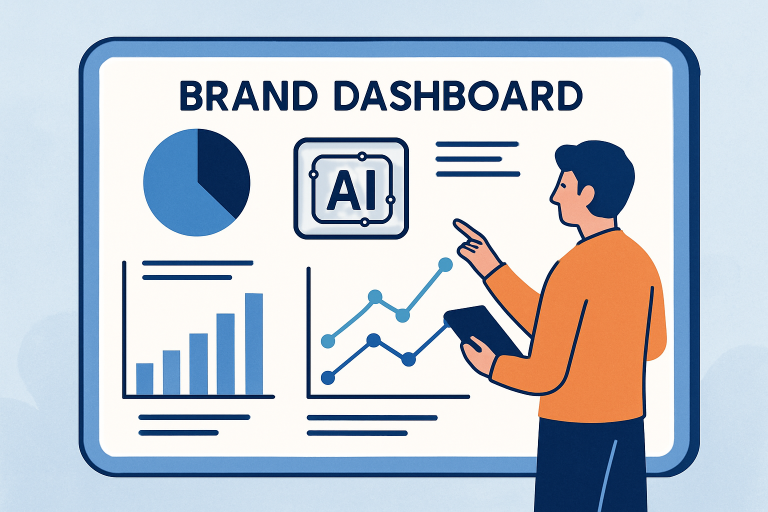
Big data analytics empowers brands to navigate complexity. By aggregating signals from customer reviews, social posts, e-commerce trends, and offline purchase behaviors, organizations can get a 360-degree view of how their brand is perceived and where adjustments are needed. This studied, multichannel perspective enables smarter investment and sharper targeting.
Notable solutions like MarketCast’s Brand Tracking+ exemplify this depth. By combining conventional consumer research with real-time digital data, brands reveal the most powerful drivers of preference and uncover patterns that one method alone might obscure. Such platforms demonstrate the advantage of fusing datasets for holistic, actionable insights.
AI and Machine Learning in Brand Analysis
Artificial intelligence is rapidly redefining how marketers interpret and act on data. Specialized algorithms can process enormous datasets far faster than manual teams, frequently surfacing subtle sentiment changes, spike anomalies, and predictive signals ahead of traditional research cycles. According to Forbes, machine learning is now imperative for brands aiming to optimize digital marketing performance, as it enables more precise targeting, faster decision-making, and a deeper understanding of consumer behavior.
Machine learning unlocks unprecedented accuracy and speed by blending qualitative and quantitative information. This allows leaders to intervene with confidence, rapidly reallocating resources or adjusting campaigns to protect brand equity before issues escalate.
Integrating Wearable Technology Data
The ubiquity of smartwatches, fitness trackers, and similar devices is unlocking new streams of behavioral and attitudinal data. When analyzed responsibly, wearable technology data reveals granular customer lifestyle habits, brand touchpoints, and real-world preferences. This not only enhances market segmentation but also offers innovative ways to personalize messaging and products.
Recent research from large-scale wearable data studies, such as the evaluation of health prediction augmentation via wearable devices, underscores the power of merging traditional analytics with device-based insights. Brands that embrace such new data sources can identify and forecast trends with significantly greater precision, creating value ahead of the curve.
Real-Time Data for Agile Decision-Making
Real-time data is the linchpin for true brand agility. Platforms employing AI-powered trend detection help marketers avoid costly delays and capitalize on favorable momentum. As emphasized in industry research, immediate access to reliable data ensures that brands are always one step ahead—proactively resolving budding reputation crises or responding to customer feedback in the moment.
Lag-free insights enable management teams to run daily health checks on brand perception, campaign performance, and sentiment shifts. This sense of always-on awareness is critical when minor issues can escalate rapidly in the digital public sphere.
Balancing Technology with Human Expertise
Technology can reveal what’s happening and sometimes even why, but it takes human judgment to contextualize these findings within a larger narrative, corporate mission, or diverse markets. The interplay of machine intelligence and human intuition produces robust strategies aligned with broader business goals and authentic brand values. Expert analysts play a pivotal role in identifying data outliers, interpreting cultural context, and ensuring that automated recommendations align with the long-term vision rather than short-term optimization.
Conclusion
Integrating advanced research with the latest technology gives brands a potent edge—offering actionable insights, responsiveness, and depth beyond traditional tracking approaches. As the digital landscape grows more complex and interconnected, those who blend AI, big data, and seasoned human analysis will be best equipped to anticipate change, foster loyalty, and lead the market.
Sorry, the comment form is closed at this time.