

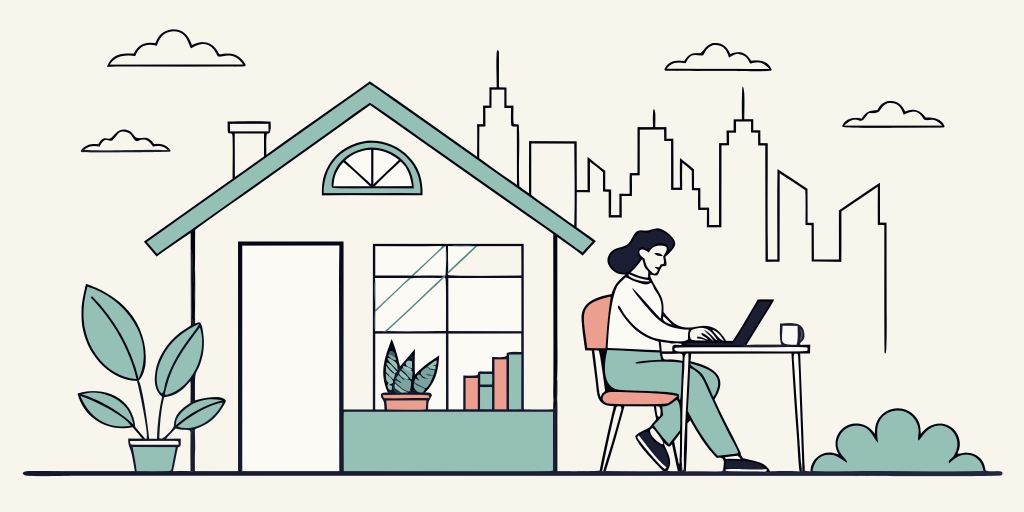
08 Oct Why Remote Work Is Changing the Way We View Home Ownership
Key Takeaways
- Remote work has led to increased demand for larger homes with dedicated office spaces.
- Suburban and rural areas are experiencing a surge in popularity among homebuyers.
- Technological infrastructure, such as high-speed internet, has become a critical factor in home selection.
- Home designs are evolving to accommodate multifunctional spaces that are suitable for both work and leisure.
Remote work has ushered in a fundamental shift not only in how we approach our careers but also in how—and where—we choose to live. As more individuals gain the freedom to work from anywhere, their preferences around home ownership have evolved, prompting a broader re-evaluation of the ideal home environment. Early in this transition, many are discovering new regions to call home, with the assistance of experts like West Sedona real estate agents Sedona Experts, who can guide remote workers in finding properties that fit both their professional and personal requirements.
Remote work has blurred the lines between professional and personal life, influencing the architecture, layout, and location of our homes. Today’s homebuyers are not only searching for shelter, but also for flexibility, comfort, and the means to balance productivity with quality of life. This fundamental reimagining of homeownership is altering real estate market dynamics across the country, opening up new possibilities in regions that were once considered off the beaten path.
The Shift Towards Spacious Living
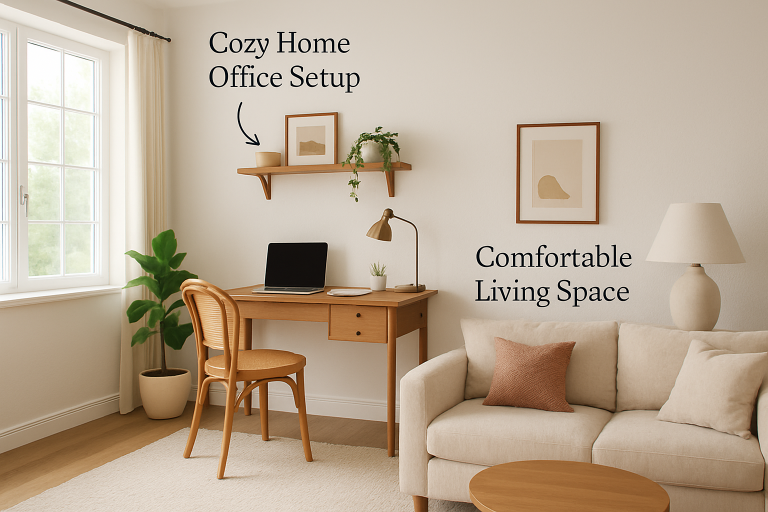
The rapid growth of remote work has significantly changed what people value in a home. Rooms that were once considered “bonus” spaces are now necessities for work-life balance. According to research published by the National Bureau of Economic Research, remote work was responsible for about 15 percentage points of the 24% increase in house prices between December 2019 and November 2021. This demonstrates a clear desire for larger homes as professionals carve out dedicated offices, learning spaces, or creative studios within their living environments.
Buyers are increasingly prioritizing flexible floor plans, ample natural light, and rooms adaptable for both productivity and relaxation. The classic open-plan layouts are often being reconfigured into zones that can accommodate focused work sessions and family downtime, marking a pronounced shift from pre-pandemic home designs.
Suburban and Rural Appeal
As daily commutes became obsolete for many, a wave of migration towards suburban and rural communities began. A recent survey from Upwork revealed that nearly 19 million Americans plan to move because remote work allows them to untether from traditional job centers. Core drivers include a desire for more affordable housing, larger lots, and the tranquility of nature—features that are often hard to come by in densely populated cities.
Suburban and rural destinations once overlooked are now bustling, with real estate agents working to match incoming buyers with properties that align with the changing landscape of work and life. The freedom to choose one’s surroundings and not be dictated by proximity to an office has opened doors for families and individuals yearning for space and serenity. For more on this trend, The New York Times highlights the ongoing migration and its broader impacts on housing markets and local economies.
Technological Considerations
For remote work to succeed, reliable high-speed internet is no longer a luxury—it’s a requirement. Whether video conferencing, collaborating in real time, or uploading large files, productivity hinges on a robust digital infrastructure. Properties in regions with advanced broadband access are seeing surges in demand, while locations lacking in connectivity face hurdles in attracting new residents.
Homebuyers are now thoroughly vetting internet availability before making offers, forcing local governments and telecom providers to invest in digital infrastructure. According to a recent article from Forbes, internet quality has begun to significantly influence real estate values and long-term appeal in ways similar to local schools or past amenities.
Evolution of Home Design
The architectural response to these lifestyle changes is clear: flexible, multi-use areas are on the rise. Floor plans are evolving, with designs that incorporate home offices, soundproof study nooks, and adaptable rooms that transform from workspace to playroom or guest room. Builders are emphasizing features like built-in desks, enhanced lighting, and innovative storage solutions to support work-from-home needs.
Homeowners are also investing in outdoor living spaces, creating patios and decks that double as work zones, fostering productivity while enjoying fresh air. As these demands shape the new blueprint for living, developments are increasingly marketed with remote work readiness, emphasizing connectivity, flexibility, and comfort.
Impact on Real Estate Markets
The tidal wave of interest in spacious homes, especially those outside urban hot spots, is fundamentally altering real estate markets. Higher demand for larger properties in suburbs and small towns has led to a swift appreciation of home values, making these markets more competitive. Conversely, some city-centered properties are adjusting prices in response to softer demand and changing buyer priorities.
Real estate professionals are nimble, adapting marketing strategies to highlight not just location, but internet speed, dedicated office space, and community features supporting a balanced lifestyle. As remote work cements its place in the economy, the gap widens between properties catering to digital professionals and those tied to an older office-centric world.
Environmental and Lifestyle Benefits
The decline in daily commutes directly translates to reduced carbon emissions and less congestion—a win for both the environment and public health. Professionals working remotely have reclaimed time that was previously lost in traffic, redirecting it towards family, hobbies, or wellness. The flexibility to set customized work-life boundaries is a powerful lifestyle enhancement tied directly to the evolving concept of home.
Challenges and Considerations
While the advantages of remote work and spacious, flexible living are clear, challenges persist. Many rural or less developed areas still face connectivity issues, which can disrupt productivity for those seeking to move farther from urban centers. Maintaining healthy work-life boundaries in homes designed for both can also be tricky, requiring both discipline and thoughtful spatial planning.
Additionally, social dynamics shift when transitioning from vibrant city life. Integrating into smaller communities requires adjustments, but, for many, the benefits continue to outweigh the obstacles as they redefine what “home” means in a remote-first world.
Conclusion
The remote work revolution has catalyzed a significant shift in the way we perceive home ownership. As millions rethink location, space, and lifestyle priorities, the real estate industry is evolving to meet new demands for flexibility, connectivity, and holistic living. The homes of the future are adaptable, tech-forward sanctuaries that enable productivity and foster wellbeing—where working from home is not just possible, but preferable for a growing segment of the population.
Sorry, the comment form is closed at this time.