


03 Sep How White-Label Design Partnerships Help Agencies Strengthen Profit Margins
Key Takeaways
- White-label partnerships enable agencies to expand their service portfolios and streamline operational costs rapidly.
- Collaboration with expert design partners has a direct impact on profit margins, scalability, and client satisfaction.
- Agencies must focus on quality control, communication, and alignment to ensure success with white-label models.
- Diversifying offerings and future-proofing strategy are critical for remaining competitive in the evolving digital landscape.
The Growing Demand for White-Label Design Partnerships
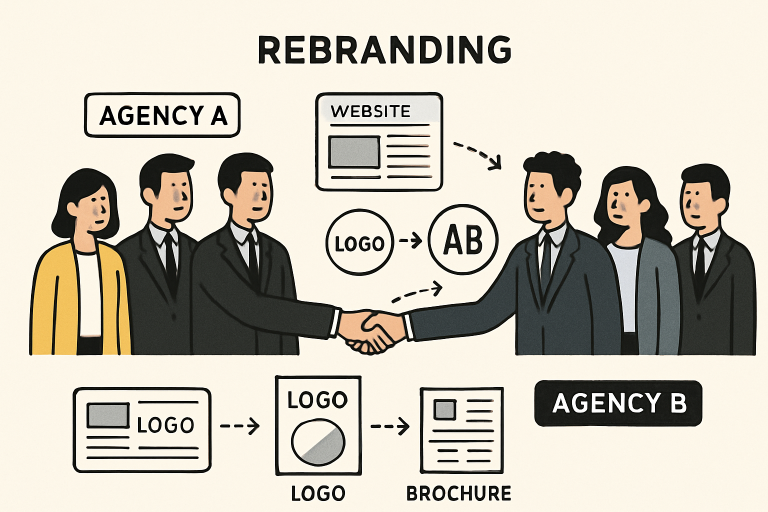
White-label design represents a rapidly expanding model where specialized agencies produce digital assets under another company’s branding. As more marketing and web agencies strive to meet client demands for comprehensive solutions, the appeal of white-label website development has increased significantly. Agencies no longer need to build new departments from scratch to deliver professional-grade websites, landing pages, or marketing collateral. White-label partnerships are growing as agencies face digital transformation, higher client expectations, and increased competition. By outsourcing design, agencies can expand services cost-effectively, access specialized expertise, and scale quickly without heavy overhead. This model allows agencies to focus on core strengths while delivering high-quality, diverse solutions that meet evolving market demands.
Why Agencies Choose White-Label Partnerships
One of the chief reasons agencies turn to white-label web design partnerships is access to an extensive pool of design expertise on demand. Recruiting, training, and managing top-tier talent is resource- and time-intensive. Through these alliances, agencies can deliver expert-level services even when their in-house teams are limited in bandwidth or specialization.
The white-label web design model also brings scalability, allowing agencies to say “yes” to more projects, large or small, without the growing pains of recruitment or training. By reducing permanent overhead and staff costs, agencies can allocate more resources to marketing, sales, and client care.
The ability to offer more with less is particularly vital as agency clients seek bundled digital services and quick turnarounds. With less financial risk and increased operational agility, agencies can respond to market shifts with confidence.
Impact of Outsourcing on Agency Profit Margins
Agencies working with white-label partners often report significantly improved profit margins. By transforming fixed personnel costs into flexible service fees, bottom-line performance becomes more predictable and resilient to market dips. According to industry data, profit margins in the digital marketing sector continue to grow for agencies utilizing outsourced and white-label resources. According to Investopedia, profit margin is a key indicator of how efficiently a company converts revenue into actual profit, making it a critical metric for agencies aiming to optimize financial health.
The structure also encourages recurring revenue models, as clients return for a suite of digital solutions managed seamlessly behind the scenes. Over time, this approach not only lifts profitability but also fortifies long-term agency sustainability and scalability.
Key Factors for a Successful White-Label Partnership
Agencies establish strong outcomes by prioritizing quality control and active client communication. Before forming partnerships, careful vetting ensures that a design partner’s work aligns with the agency’s quality benchmarks and brand voice.
Agencies seeking successful white-label relationships look for partners who demonstrate a track record of reliability, transparency, and the flexibility to adapt to evolving needs. Clear workflow processes, along with shared documentation and project management standards, help ensure consistent delivery and positive client experiences.
Brand values must also be in alignment. A partner who understands and upholds your agency’s mission, culture, and standards can help strengthen client trust.
Agency Takeaways: Future-Proofing with White-Label Partnerships
As digital marketing and web development accelerate in complexity, agency leaders must continually adapt. White-label partnerships offer a dynamic pathway for growing service portfolios and navigating evolving industry trends. Strategic planning, reliable selection processes, and ongoing knowledge sharing will keep your agency at the forefront.
Agencies should invest in regular training and market research to anticipate new opportunities and emerging client needs. Ultimately, the most successful agencies are those that blend internal vision with external expertise, striking a balance between innovation and efficiency to achieve sustained growth and long-term profitability.
Sorry, the comment form is closed at this time.