

19 Jul Brush Clearing Methods: Comparing Traditional and Eco-Friendly Approaches
Why Brush Clearing Matters
Brush clearing is essential for aesthetics and safety, but its benefits go much further than many realize. Overgrown vegetation quickly turns from an eyesore into a genuine risk for fire, pests, and the overall usability of both residential and commercial land. Unchecked growth can destroy sight lines, block outbuilding access, limit trails, and turn once-useful areas into unusable, hazardous zones. More importantly, dry underbrush fuels wildfires, putting individual properties at risk and threatening communities and habitats at large. Effective Brush Clearing in Lovettsville, or any other region, is part of a larger approach to responsible land stewardship, ensuring that land remains useful, productive, and resilient for years.
Recent data from the National Park Service reveals that well-managed vegetation can significantly reduce wildfire severity, providing a crucial buffer for both urban and rural locations. Landowners who act proactively by regularly clearing brush help prevent catastrophic fires and actively support wildlife diversity by curating healthier and more balanced ecosystems. Regular clearing deters invasive species, discourages rodents and snakes from residing, and keeps paths open for recreational use and emergency access. The benefits extend to increased property values, as potential buyers and renters are drawn to well-maintained spaces with minimal risk and maximum usability—a point often overlooked by property managers and homeowners alike.
Traditional Brush Clearing Methods
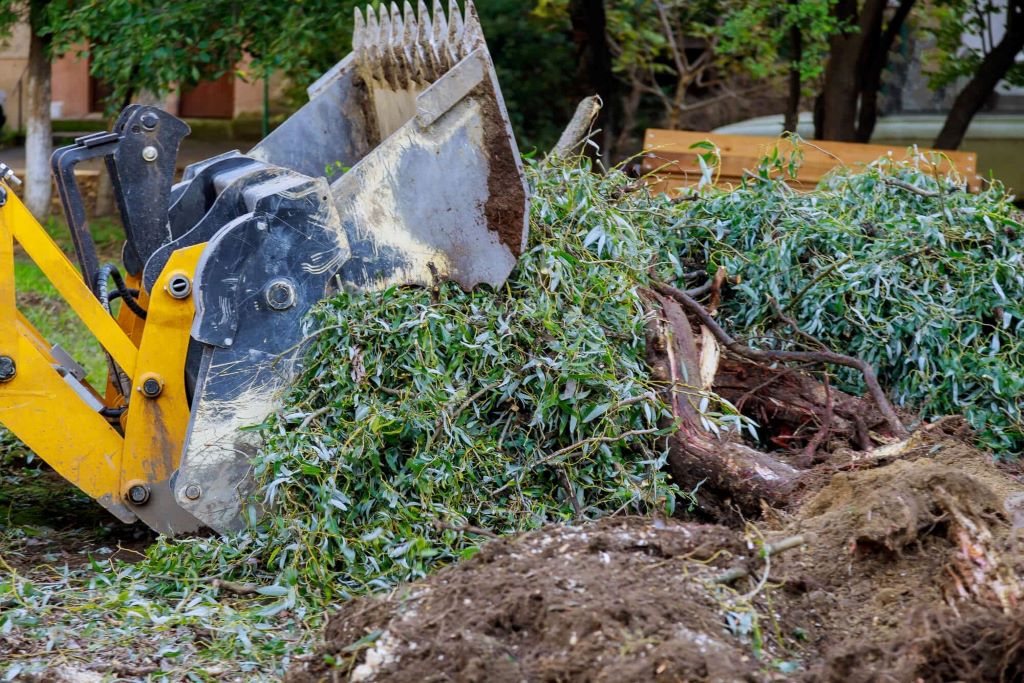
Traditional brush clearing involves familiar techniques, often characterized by hands-on labor and mechanical power tools. Chainsaws, axes, loppers, and hand saws have served generations of property owners well, especially for small to medium-sized jobs or for finishing detailed edges after heavy machinery has done the bulk work. For larger expanses or denser thickets, machinery like bulldozers, skid steers, and forestry mulchers steps in to make quick work of what would otherwise take weeks with handsaws. These traditional methods are efficient, time-tested, and often the default solution when faced with urgent or large-scale brush problems.
However, the power and speed of heavy equipment come at a price. Machinery can compact soil, leaving it less capable of absorbing water, which in turn can lead to increased runoff and possible flooding during heavy rains. Disturbed soil is also more susceptible to erosion, and removing dense brush without a restoration plan frequently invites opportunistic weeds and invasive species, which can outcompete valued native plants. Chemical herbicides, widely used for decades, are a double-edged sword—while they eradicate unwanted growth, their runoff can enter groundwater systems and negatively affect non-target species. When choosing traditional methods, landowners must weigh immediate results against the potential for long-term ecological harm.
Emerging Eco-Friendly Techniques
The environmental movement has brought innovative, sustainable alternatives to conventional brush clearing. Selective cutting is a nuanced approach, aiming to remove invasive or overgrown species while leaving beneficial or rare plants untouched. This method preserves biodiversity and maintains the integrity of local habitats, making it ideal for sensitive lands or properties near conservation areas. Eco-mulching transforms removed brush into nutrient-rich covering, placing it back onto the land as mulch to suppress weeds, retain soil moisture, and promote healthy regrowth.
Of growing interest is the use of grazing animals, most notably goats and sheep. These animals are adept at navigating uneven terrain and consuming prickly or undesirable vegetation, effectively turning a brush problem into livestock nutrition. Targeted grazing can clear large or inaccessible stretches with minimal impact, often saving money compared to machine rental and fuel. Not all properties are suitable for grazing, but it can be an effective, low-impact tool when used wisely. The U.S. Forest Service reports increasing adoption of integrated approaches: combining selective clearing, mulching, and ecological restoration. These methods result in healthier plant communities, reduced fire risk, and long-term land resilience. When matched thoughtfully with local ecosystem needs, eco-friendly techniques offer a win-win for landowners and nature alike.
Tools and Equipment Used in Brush Clearing
- Chainsaws and Pole Saws: Chainsaws are the go-to choice for cutting through thick stems or branches. They provide maneuverability and speed, while pole saws reach high limbs without needing a ladder.
- Hand Tools (loppers, machetes): Perfect for close-up precision work, these tools give the operator maximum control and are ideal when removing selected plants or working near sensitive features.
- Brush Hogs and Forestry Mulchers: Tractor-towed brush hogs mow through small saplings and tall weeds. At the same time, forestry mulchers shred larger woody debris into mulch, paving the way for rapid area rehabilitation.
- Grazing Livestock: Animals like goats are adept at moving through hillsides, rocky patches, or thickets where machinery cannot reach, providing a biological solution to dense, mixed brush.
Selecting equipment involves evaluating terrain, brush density, local wildlife, and environmental impact. Hand tools are best for detailed or intricate areas, while machines and livestock are optimal for larger, more challenging stretches. Mixing multiple tools and strategies delivers the most flexible and efficient results for many brush-clearing projects, adapting as area conditions dictate.
Step-by-Step Guide to Selecting a Method
- Assess the land: Walk every section, mapping patches of dense growth, wetlands, slopes, and areas requiring unique approaches. Identifying invasive species, sensitive habitats, and erosion-prone slopes is key to selecting the proper methods and equipment.
- Review regulations: Local authorities may have strict rules regarding burn permits, herbicide application, and protection of native or endangered species. Failing to check these could result in hefty fines or restoration requirements later.
- Set goals: Whether aiming for wildfire prevention, restoring pasture, improving accessibility, or prepping for development, defining clear goals ensures method selection aligns with long-term property plans and local environmental needs.
- Evaluate options: Compare manual, mechanical, and biological methods. Estimate timelines, costs, equipment access, and impacts on the land—will cleared areas need to be replanted? Is there potential for the regrowth of unwanted species?
- Plan disposal: Decide how to handle debris. Mulching on-site is eco-friendly and practical, burning is often highly regulated and risky, and hauling away can be costly but necessary for specific projects. Each method carries implications for soil health, air quality, and site usability after clearance.
Layering traditional wisdom with new technology and ecological understanding leads to smarter, safer choices that meet the land’s present and future needs.
Environmental and Safety Considerations
Every effective brush-clearing project places a premium on safety. Operators should wear gloves, goggles, helmets, boots, and hearing protection, especially when using chainsaws or heavy machinery. Clearing with awareness of surroundings—monitoring for power lines, wildlife, and neighbors’ properties—further reduces risk. However, safety isn’t limited to people; environmental health should be a parallel concern. Careless clearing can destabilize slopes, send sediment into waterways, and disrupt habitats for birds, pollinators, and mammals.
Eco-friendly clearing typically minimizes collateral damage, but even livestock grazing needs careful timing to prevent over-browsing or unwanted impacts on ground cover. Extra precautions are essential when using chemicals or flames to protect water sources and prevent unintentional burns or spills. Committing to responsible planning and ongoing management ensures that brush-clearing efforts benefit people and the surrounding environment.
Case Studies: Real-World Applications
Communities in the American West have innovatively responded to repeated wildfire threats by layering traditional clearing with progressive techniques. In some California neighborhoods, goats are released in spring to graze brushy hillsides, followed by mechanical mulching in areas animals can’t reach. This two-pronged attack keeps growth in check and reduces the labor, cost, and carbon footprint typically associated with frequent machine use. Such partnerships have drawn attention nationwide for providing practical wildfire barriers with added environmental and educational value.
Homeowners elsewhere have embraced mulching as a solution to yard debris, finding that leaving cut material in place not only insulates soil and conserves water but also gradually builds richer, looser topsoil over time. Farms in the Midwest increasingly rotate cattle, sheep, or goats to maintain pasture borders, boosting productivity and creating healthier soil. These diverse case studies highlight the flexibility of brush-clearing methods, inspiring land managers nationwide to combine the best of old and new based on their unique conditions.
Future Trends in Brush Clearing
The next decade looks set for breakthroughs in sustainable, technology-infused brush management. Advances in drone mapping and robotics are making it easier to monitor regrowth, pinpoint high-risk areas, and prioritize maintenance, saving operators time and reducing manual labor. Greater public interest in ecological restoration is sparking more projects that replant native flora after clearance, encouraging pollinators and wildlife while holding soil in place and increasing climate resilience.
Successful models will likely hinge on collaboration between public agencies, homeowners, and conservationists. Blending the strengths of Brush Clearing with national trends and research, and learning from large-scale forest management projects by organizations like the U.S. Forest Service, will shape best practices for decades. With every advance, landowners can look forward to safer properties and more vibrant landscapes that balance productivity, safety, and a flourishing natural world.
Sorry, the comment form is closed at this time.