


19 Jul HOA Management Strategies for Modern Communities
Key Takeaways
- Adopting HOA management software enhances operational efficiency and transparency.
- Prioritizing transparency and accountability fosters trust and reduces conflicts.
- Engaging residents through digital tools and community events strengthens community bonds.
- Implementing sustainability initiatives aligns with environmental concerns and can lead to cost savings.
- Proactive compliance management ensures adherence to legal and regulatory requirements.
Homeowners’ associations (HOAs) form the backbone of countless residential communities, providing essential governance and nurturing the sense of connectedness that helps neighborhoods thrive. As we look ahead, the landscape of HOA management is transforming at an unprecedented pace, driven by technological advances and a nationwide push towards transparency, sustainability, and community engagement. In 2025, boards are uniquely positioned to redefine their management strategies, using new tools and best practices to build stronger, more resilient communities. By collaborating with established HOA Management providers and integrating state-of-the-art solutions, boards can streamline everyday operations, minimize administrative headaches, and—most importantly—deliver an exceptional living experience for all residents.
Staying competitive in today’s modern HOA landscape means pursuing a holistic management approach. Efficiency, legal compliance, transparency, and community engagement go hand in hand. Boards that embrace these priorities can foster genuine trust among residents, keep communities running smoothly, and create neighborhoods where people feel a true sense of pride and belonging. Whether you are a seasoned HOA member seeking to refine current practices or new to community management and looking to make an immediate impact, understanding and harnessing 2025’s most influential strategies is the key to building vibrant, forward-thinking communities.
Embracing HOA Management Software
As the responsibilities of HOAs continue to grow, reliance on manual processes or outdated tools can lead to inefficiencies, miscommunication, and a diminished resident experience. The rise of innovative HOA Management software—such as Communitrak, Buildium, AppFolio, Condo Control, and PayHOA—has reinvented how communities are managed. These robust platforms consolidate essential financial tasks, document management, communications, and community requests into a user-friendly interface. With instant access to budgets, violation history, maintenance schedules, and other crucial records, board members can resolve issues quickly and accurately.
Beyond efficiency, these systems radically increase transparency, allowing board members and homeowners to view records and updates on demand from any device. Digital payment features simplify fee collection, automated notifications reduce the risk of missed deadlines, and collaborative portals open new avenues for real-time problem-solving. Implementing the right software, tailored to your community’s unique needs, reduces administrative burdens and empowers residents to take a more active role, resulting in better governance, happier homeowners, and a more attractive place to live.
Prioritizing Transparency and Accountability
Trust, built on clear and honest communication, is the bedrock of any successful HOA. As communities become more diverse and expectations continue to rise, today’s residents want more transparency into how decisions are made and communal resources are spent. HOAs that prioritize accountability do so by communicating proactively and openly—this means providing access to financial reports and meeting minutes and explaining the rationale behind board decisions, rule changes, or budget adjustments.
Utilizing digital portals to publish frequently updated reports, sharing detailed annual budgets, and hosting open Q&A sessions all help demystify processes that might otherwise seem opaque or exclusionary. A transparent approach reassures residents that the board works in their best interest, encourages increased homeowner involvement, and minimizes misunderstandings and disputes. Ultimately, prioritizing accountability builds mutual respect, reduces administrative headaches, and nurtures a harmonious, unified community.
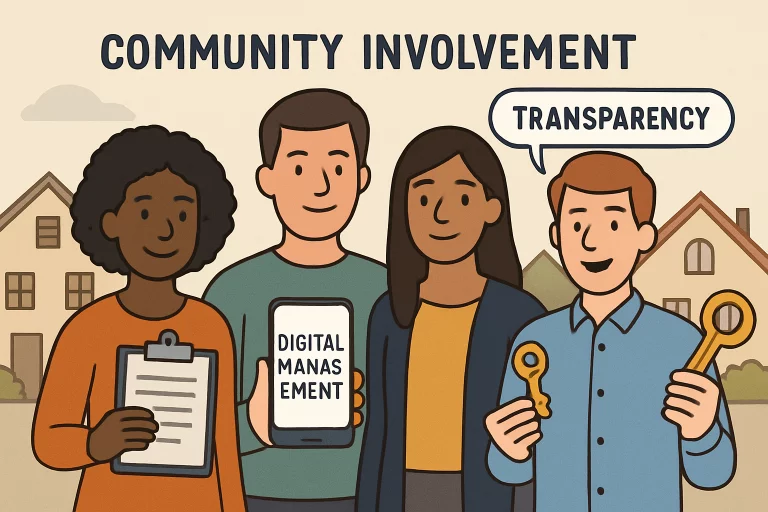
Enhancing Resident Engagement
Building a truly great community goes far beyond property values and appearances. An engaged, connected neighborhood allows residents to contribute, socialize, and share ideas. Modern HOA management recognizes that passive communication—such as static newsletters or infrequent updates—isn’t enough to create authentic community spirit. Instead, boards embrace digital engagement tools alongside in-person opportunities to foster deeper relationships. Interactive platforms can deliver up-to-the-minute updates, facilitate polls or surveys that gauge resident preferences, and organize events that celebrate diversity within the neighborhood.
Inclusive engagement strategies also involve empowering residents to volunteer for committees, organize clubs, or propose improvement projects. When homeowners feel heard and valued, they are more likely to participate in governance, abide by community guidelines, and invest their energy in collaborative initiatives. This improves satisfaction levels and leads to innovative developments in amenities and services. Consider reviewing this guide to HOA community engagement, which details ways to maximize involvement year-round.
Implementing Sustainability Initiatives
Environmental stewardship is no longer an optional extra—it’s becoming an expectation in modern HOA communities. Embracing green initiatives benefits not just the planet but also the neighborhood’s financial health and overall desirability. From installing energy-efficient lighting in common areas to investing in drought-resistant landscaping, these upgrades reduce ongoing costs and improve the community’s ecological footprint.
Other impactful programs include organizing recycling events, setting up compost stations, supporting electric vehicle infrastructure, or even working towards eco-friendly certifications that can increase property values. The ripple effects of sustainability go beyond savings; they foster community pride and attract forward-thinking homeowners who share these values. HOAs that lead the way on environmental initiatives set themselves apart as progressive, responsible stewards of the neighborhood’s future, ensuring a high quality of life for generations to come.
Proactive Compliance Management
The regulatory landscape governing HOAs is complex and constantly evolving. Effective boards prioritize compliance to avoid costly penalties and legal disputes and demonstrate their commitment to fair, ethical governance. Proactive management starts with regularly reviewing governing documents and local, state, or federal regulations. Leveraging management software ensures all rules, policies, and records remain current and easily accessible, while automated reminders help boards and residents meet deadlines for inspections, renewals, and disclosures.
Clear communication around compliance requirements helps residents understand their responsibilities, reducing confusion and fostering a sense of security. Regular training for board members and periodic legal consultations reinforce compliance culture and help the board stay ahead of regulatory changes. Residents benefit by knowing their interests are protected, and the community benefits from a reputation for diligence, reliability, and professionalism. Explore comprehensive support options with trusted industry leaders to safeguard your community’s compliance now and in the future.
The Rise of Hybrid and Virtual HOA Meetings
The shift toward hybrid and virtual meetings has revolutionized how HOAs collaborate and engage with their residents. No longer confined by geography or members’ busy schedules, boards can now reach a broader spectrum of residents by offering digital attendance options in addition to traditional in-person gatherings. Modern meeting tools include real-time video conferencing, digital voting, and secure cloud-sharing for agendas and documents, making it easier for residents to participate and stay informed.
This flexibility increases homeowner involvement, more robust discussions, and quicker decision-making, helping the board act promptly on pressing matters. Hybrid meetings also promote inclusivity, ensuring that all voices can be heard, regardless of residents’ physical location or availability. By making meetings more accessible and efficient, HOAs cultivate a stronger sense of transparency, collaboration, and unified action among community members.
Data-Driven Decision Making
Thanks to modern analytics and management platforms, HOA boards now have access to a wealth of data that can inform decisions across every aspect of community life. From identifying maintenance needs and forecasting budgets to monitoring event attendance and gathering feedback, data-driven strategies help boards allocate resources more effectively and set the stage for long-term success.
Regularly conducting surveys, analyzing community spending, and reviewing participation trends enable boards to pinpoint areas for improvement, adjust policies, and anticipate future needs. This objective, evidence-based approach increases accountability and ensures that initiatives align with residents’ evolving preferences. Harnessing the power of data can transform governance, boost satisfaction, and keep every initiative tightly focused on delivering real value to the community. Boards seeking practical advice can explore resources like this guide on resident engagement best practices.
Conclusion
In 2025, HOA management is defined by innovation, openness, and a renewed focus on resident well-being. By embracing advanced management software, championing transparency, prioritizing engagement, and taking decisive action on sustainability and compliance, today’s boards can rise to meet—and exceed—community expectations. These strategies don’t just fulfill regulatory requirements or resolve day-to-day issues. They build HOAs that empower homeowners, strengthen neighborhood pride, and create communities where people genuinely love to live. Success lies in proactive leadership, leveraging expert partners, and adopting forward-thinking tools that ensure resilience and vibrancy for years.
Sorry, the comment form is closed at this time.