


17 Jul Streamlining Success: How Managed IT Services Drive Operational Efficiency in Your Organization
Key Takeaways
- Managed IT services streamline operations by outsourcing critical IT functions to experts.
- Benefits include cost efficiency, advanced security, proactive maintenance, and scalable solutions.
- Real-world results show significant uplifts in productivity and customer satisfaction.
- Choosing a provider with industry expertise, robust security, and flexible agreements is essential.
Introduction
In today’s fast-paced business environment, organizations are under continual pressure to maximize efficiency and maintain a competitive edge. Technological advancements and growing digital dependencies have made IT infrastructure a core element of day-to-day operations. Yet, managing these systems in-house often diverts vital resources from key growth initiatives, stretching teams thin and fragmenting focus. Transitioning to managed IT services has emerged as a transformative solution for companies seeking to drive productivity, minimize risk, and ensure scalability. By teaming up with seasoned IT professionals such as Nucleus, organizations can effectively offload the demands of daily IT management, entrust system optimization to experts, and realign attention toward core business goals. This collaborative approach enables organizations to innovate confidently, knowing that their technological backbone remains reliable, up-to-date, and secure.
Rather than overburdening internal teams with troubleshooting, upgrades, or cybersecurity tasks, managed IT services offer a tailored, comprehensive layer of support. Businesses that choose this route find themselves better equipped to move fast, seize new opportunities, and reduce operational headaches, all while ensuring that technology propels, rather than impedes, organizational growth.
Understanding Managed IT Services
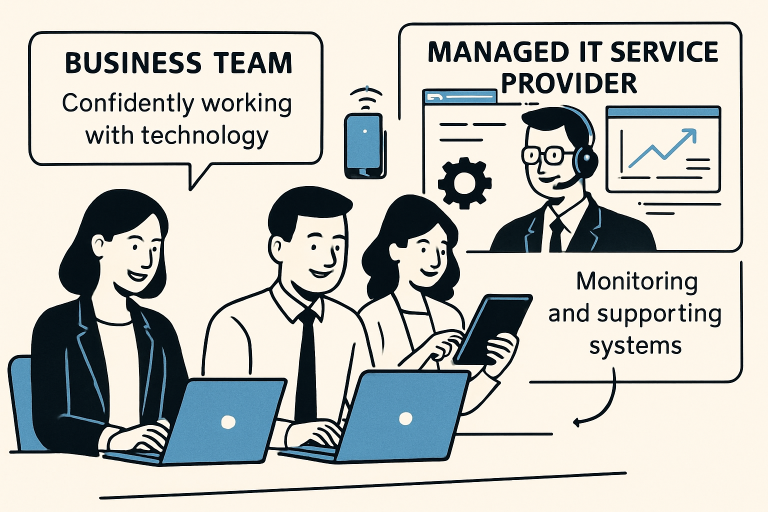
Managed IT services represent a comprehensive approach to IT support, where an external service provider proactively oversees and maintains an organization’s technology infrastructure. This shift away from reactive, break-fix support to ongoing partnership drastically reduces downtime, prevents costly errors, and allows organizations to work smarter at every level. Core services typically include:
- Network management: Sustaining seamless connectivity is mission-critical for any modern operation. Managed providers ensure networks run efficiently by monitoring for slowdowns, addressing bottlenecks, managing configurations, and deploying timely upgrades. Reliable networking forms the backbone of daily communications and workflow collaboration.
- Data backup and recovery: Business continuity relies on the protection and rapid recovery of data in the event of cyberattacks, hardware malfunctions, or natural disasters. Regular, automated backups with swift restoration protocols help companies avoid catastrophic losses and minimize downtime.
- Cybersecurity measures: With cyber threats constantly evolving in scale and sophistication, MSPs defend organizational assets using multi-layered security solutions. This includes endpoint protection, firewalls, 24/7 threat monitoring, vulnerability assessments, and immediate incident responses to neutralize risks before they escalate.
- Software updates and maintenance: Ensuring all software and operating systems are up to date is essential for both optimal performance and protection. Managed providers schedule and automate these updates, thereby eliminating vulnerabilities and maintaining the compliance and resilience of systems.
- Helpdesk support: Fast, approachable, and technically skilled assistance assures end-users that help is available whenever issues arise, maximizing productivity and minimizing disruptions to critical workflows.
By working closely with an MSP, companies gain not just robust technical solutions but also strategic insight into emerging trends, regulatory requirements, and best practices—all without the heavy financial investment required to build an in-house team of specialists.
Benefits of Managed IT Services
Cost Efficiency
Managed IT services employ a subscription-based model, providing predictable budgeting and eliminating the need for significant upfront investments in tech infrastructure. This enables businesses to allocate resources to innovation and growth while receiving enterprise-level IT support at lower costs than maintaining an internal team.
Enhanced Security
MSPs provide advanced cybersecurity measures, including real-time threat detection and compliance support. Their proactive approach minimizes risks, protects reputations, and enables secure digital transformation.
Proactive Maintenance
By monitoring systems continuously and addressing issues before they escalate, MSPs ensure greater reliability and fewer disruptions. This results in smoother operations and improved employee productivity.
Scalability
Managed IT services offer flexible solutions that grow with the business. Whether it’s scaling cloud capacity or adding new technologies, MSPs enable organizations to adapt quickly to changes and seize new opportunities.
Real-World Applications
The transformational impact of managed IT services is evident across a range of industries and business sizes. Consider a mid-sized retail operation that has been previously hampered by inefficient legacy systems and aging point-of-sale technology. By partnering with a managed provider, the company migrated to a flexible, cloud-based infrastructure, automating inventory tracking and streamlining sales processes. As a result, they achieved a 40% increase in operational efficiency, enabling staff to respond more quickly to customer needs and management to make data-driven decisions in real-time. Employee satisfaction increased as downtime decreased, while more accurate stock levels led to higher customer trust and repeat business.
These case studies highlight how managed IT services drive tangible, measurable improvements for organizations ready to rethink their technology approach. For more insights into the value and versatility of managed IT, explore the CIO’s Guide to Managed Services and industry evaluations like Gartner’s MSP Overview.
Choosing the Right Managed IT Service Provider
Realizing the full potential of managed IT services begins with selecting a skilled and trustworthy provider that aligns with your business vision. While price is essential, decision-makers should focus on the following key criteria:
- Expertise and Experience: Seek out providers with deep knowledge in your industry and a strong record of successful partnerships. Proven experience ensures they can anticipate sector-specific challenges and bring relevant, actionable solutions to the table.
- Service Level Agreements (SLAs): Well-defined SLAs outline the provider’s commitments to response times, uptime guarantees, and performance outcomes. Clear agreements foster transparency and mutual accountability, setting the stage for a lasting partnership.
- Scalability: The right MSP should offer flexible services that grow alongside your business, accommodating both rapid expansion and efficient downsizing as needed.
- Security Measures: Investigate the provider’s cybersecurity readiness. Comprehensive policies, compliance protocols, and well-documented response plans demonstrate a commitment to safeguarding your data and ensuring compliance with industry regulations.
Teaming up with a reputable MSP ensures not only operational efficiency but also long-term security, innovation, and strategic adaptability. This partnership lets organizations focus their energy on what truly matters—driving customer value, fostering agility, and leading change in their sector.
Conclusion
Managed IT services are proving themselves indispensable in a digital-first world, offering organizations of all sizes the tools and expertise they need to compete, innovate, and grow sustainably. By engaging specialists to oversee technology operations, businesses benefit from reliable infrastructure, strategic cost savings, resilient cybersecurity, and seamless scaling. This allows internal teams to reallocate their focus towards generating insights, improving products, and enhancing customer experiences. For organizations seeking operational excellence and a secure path through technology’s ever-changing landscape, managed IT services create the foundation for enduring success.
Sorry, the comment form is closed at this time.