

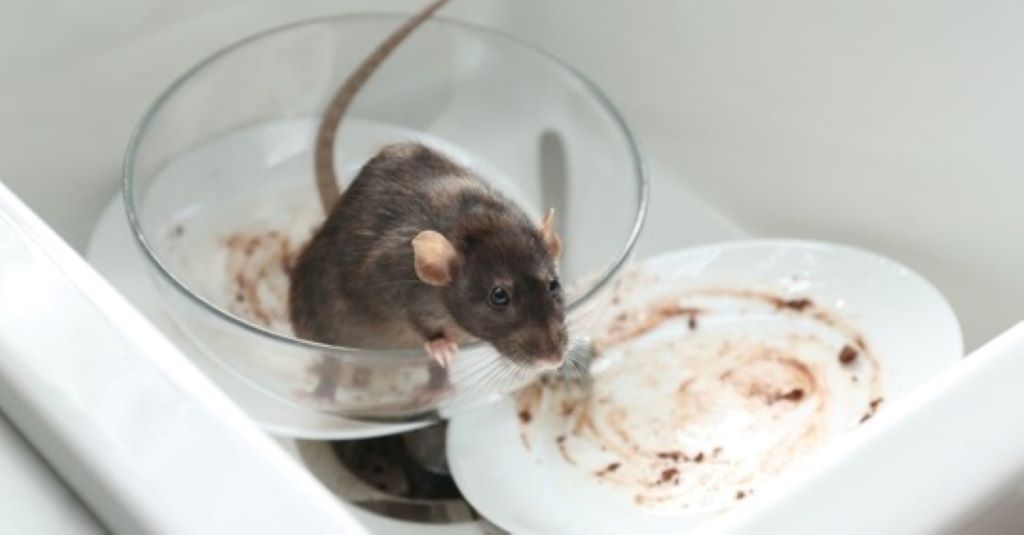
11 Jul Rodent Infestations: Causes, Risks, and Safe Prevention Tips
Introduction
Rodent infestations are an escalating problem many homeowners encounter each year, often catching families off guard with the extent and speed of the damage rodents can inflict. These infestations aren’t merely an inconvenience; they signal a threat to health and property, frequently requiring serious attention. Left unchecked, rodents can quickly multiply, turning a minor problem into a widespread issue that can disrupt daily life. Protecting your home and loved ones starts with a strong understanding of what brings rodents indoors, how to recognize their presence, and how to address infestations safely and effectively. For those grappling with stubborn rodent issues or who prefer expert intervention, professional rodent control for rats and mice in Tulsa offers tailored, effective solutions administered by local specialists who are well-acquainted with the unique pest challenges in your region.
Rodents—including common culprits like mice and rats—naturally seek environments rich in food and shelter, making virtually any home a plausible target. Unfortunately, even the cleanest households are not immune if preventive measures are neglected. Knowledge is your greatest asset in this battle. Understanding how rodent infestations begin, the risks associated with their presence, and how to prevent or eliminate them can directly influence your family’s health and your property’s safety. With the proper awareness and actionable steps, you can safeguard your household and minimize rodent threats.
Causes of Rodent Infestations
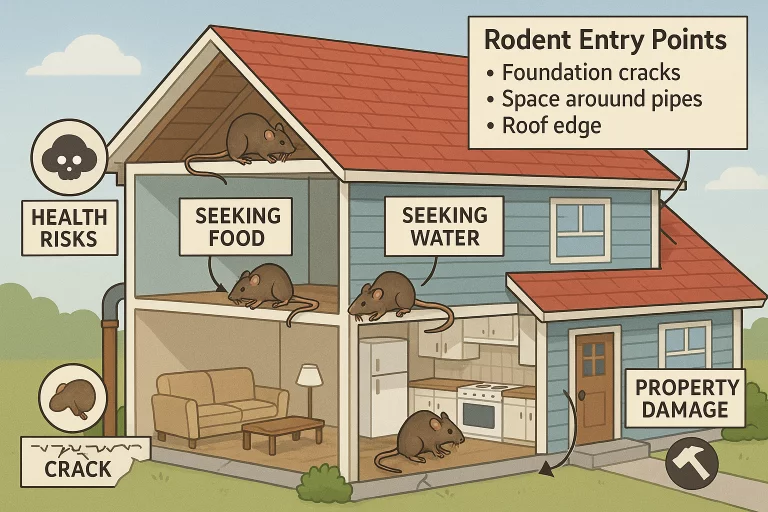
Rodents are opportunistic scavengers whose survival relies on their ability to adapt to new environments quickly. Their attraction to homes revolves around three primary needs: food, water, and shelter. Combining these factors can make your home an ideal nesting site, often going unnoticed until the population becomes noticeable.
- Food Sources: Rodents possess an acute sense of smell, enabling them to find even the smallest crumbs hidden under appliances. Pet food left in bowls overnight, open pantry staples, spilled grains, and unsealed garbage bins are all magnets for hungry pests. Even food waste in compost piles or birdseed can provide ample nutrition.
- Water Availability: Little-known to many, rodents require regular access to water. Leaky pipes, condensation around HVAC units, dripping outdoor spigots, or uncovered pet water bowls deliver the moisture rodents need. Homes with persistent dampness or poor drainage are at greater risk.
- Shelter: Rodents excel at finding hidden, undisturbed spaces to nest and breed. Piles of storage boxes, cluttered attics, wall voids, and crawlspaces serve as prime nesting spots. Outdoors, overgrown shrubs, stacks of firewood, and heaps of debris close to your home’s foundation can house rodents who move indoors.
- Entry Points: Mice and rats are remarkably adept at squeezing through minuscule openings—some as small as a quarter-inch. Common access points include foundation cracks, gaps around utility pipes or vents, poorly fitted doors and windows, roof edges, and broken screens. Once inside, they explore and exploit every available resource.
Health Risks Associated with Rodents
Rodents are infamous for their capability to transmit a wide array of diseases, some of which have significant health ramifications for humans. The transmission pathways are varied and often stealthy, whether through direct contact or via contaminated air, food, or surfaces. Early recognition of these risks empowers you to take preventative action before illnesses can strike.
- Hantavirus: This virus is carried primarily by wild rodents. Exposure often occurs when humans inadvertently stir up particles from rodent urine, droppings, or saliva, particularly during cleaning. This virus can cause hantavirus pulmonary syndrome (HPS), which is life-threatening and characterized by early flu-like symptoms that rapidly progress to severe respiratory issues. Take precautions and learn more about Hantavirus prevention from reputable sources.
- Leptospirosis: This bacterial infection is contracted by coming into contact with water, soil, or even food contaminated with the urine of infected rodents. Its symptoms are initially nonspecific—fever, chills—but can escalate to kidney damage, jaundice, respiratory distress, or meningitis, requiring prompt medical intervention. For more information, refer to the CDC’s overview on Leptospirosis.
- Salmonellosis: Rodents frequently contaminate food preparation areas, storage containers, and surfaces with droppings, often without detection. This leads to outbreaks of Salmonella infection, manifested by diarrhea, fever, and stomach cramps. Vulnerable populations (such as children, seniors, or those with immune deficiencies) are particularly at risk.
Rodent infestations also amplify environmental allergens, which can trigger severe asthma reactions, especially in young children or the immunocompromised. Hair, dander, and shed skin mingle with dust, exacerbating allergies and reducing indoor air quality.
Property Damage Caused by Rodents
Beyond disease, rodents inflict extensive property damage, often without a homeowner’s immediate knowledge. Their need to gnaw and their nesting habits mean persistent destruction, sometimes only discovered after significant harm.
- Structural Damage: Gnawing is a natural behavior for rodents, whose teeth never stop growing. They chew through wooden beams, drywall, insulation, and even plastic or soft metals. Over time, this relentless activity undermines walls, floors, attics, and basements—potentially jeopardizing a building’s safety and value.
- Electrical Hazards: Rodents tend to chew through wiring, presenting a real fire risk. Exposed wires can cause shorts and electrical outages or, in the worst scenarios, ignite fires that pose a serious threat to household safety.
- Contamination: Rodents leave behind urine, feces, and nesting debris wherever they travel. This contamination ruins pantries, kitchenware, and food supplies, sometimes forcing the replacement of large amounts of spoiled food or necessitating professional cleanup for health reasons. The unpleasant odors left behind are also hard to eradicate without removing the cause.
Signs of a Rodent Infestation
Catching a rodent problem in its early stages is critical. Early intervention minimizes property damage, controls population growth, and reduces health risks. Be vigilant for these common warning signs in your home:
- Droppings: Rodent droppings are typically found along wall edges, in food storage areas, under sinks, or behind kitchen appliances. Their presence indicates that rodents are active nearby, and fresh droppings suggest an ongoing issue.
- Gnaw Marks: Look for signs of chewed food packages, shredded cardboard, or tooth marks on baseboards and furniture. These are telltale marks left behind as rodents search for food and nesting material.
- Nesting Materials: Mice and rats gather soft materials for building nests. Shredded paper, bits of fabric, cotton, or dried plant matter found tucked away in secluded spaces—such as closets, corners of garages, or inside cabinets—signal that rodents have established residence.
- Noises: Often, the first sign of a hidden infestation is the sound of scratching, squeaking, or scurrying within walls, ceilings, or ductwork, especially at night when rodents are most active.
Safe Prevention Tips
Prevention is preferable but considerably less costly and disruptive than extermination. Implementing a few critical strategies can dramatically reduce your risk of a rodent invasion:
- Seal Entry Points: Inspect your home thoroughly, paying special attention to areas around the foundation, roof, and exterior walls. Use steel wool and caulk to plug small gaps, and reinforce larger openings with hardware cloth or sheet metal—materials rodents cannot chew through.
- Maintain Cleanliness: Practicing rigorous household cleanliness denies rodents access to the food and shelter they need. Regularly sweep and vacuum to eliminate crumbs, clean hard-to-reach areas under appliances, and often keep garbage tightly lidded and emptied.
- Proper Food Storage: Store dry goods, pet food, and grains in sturdy, airtight containers. Quickly clean up spills, and never leave leftover food out overnight. Keeping your pantry well-organized and free of expired items further lowers the risk.
- Eliminate Water Sources: Promptly address any leaks or
Sorry, the comment form is closed at this time.