

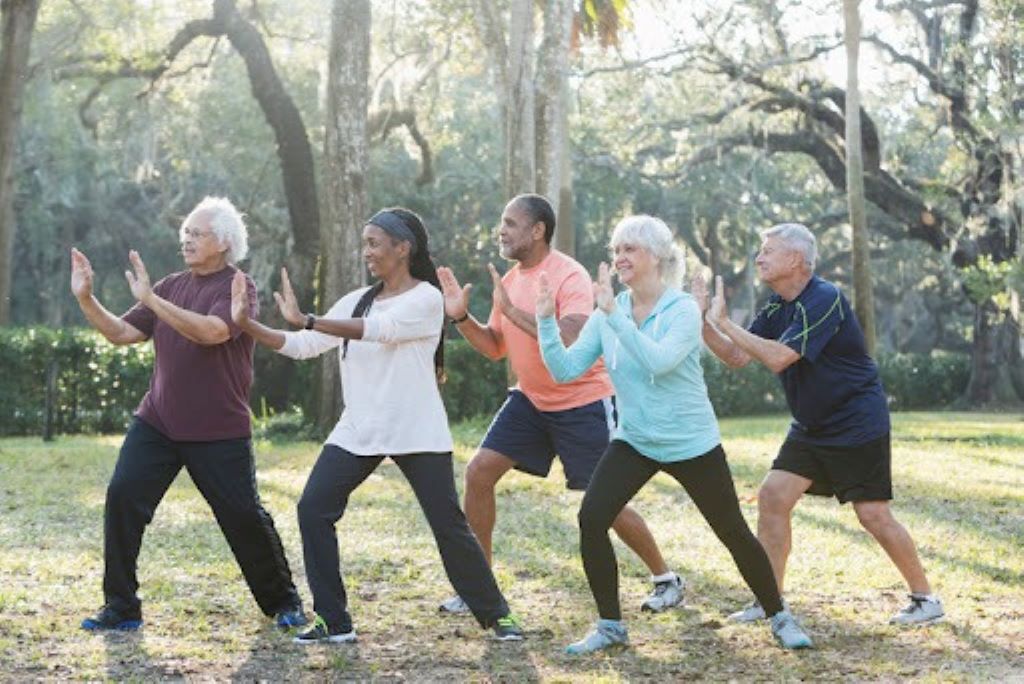
11 Jul Gentle Practices for Daily Well-being: Tai Chi and Qigong
Introduction
Pursuing well-being can be a formidable challenge in our modern, demanding world. Long work hours, constant notifications, and the pressure to multitask often leave us feeling drained and disconnected. Yet, gentle practices like Tai Chi and Qigong stand out as accessible antidotes to this hustle. Emphasizing mindful movement and natural breathing, these ancient Chinese arts invite individuals of every background to rediscover harmony and self-care. Suppose you prefer the convenience of learning in your own space or timeframe. In that case, user-friendly resources are available, such as platforms that allow you to learn tai chi online at your own pace, taking the pressure out of starting something new while enjoying professional guidance.
Integrating Tai Chi and Qigong into your daily rhythm doesn’t simply provide a break from stress—it opens a doorway to deeper wellness. These practices work on multiple layers of our health, blending the benefits of physical exercise with meditation, breathwork, and a philosophy of balance. Far from being mystical or reserved for the athletic, Tai Chi and Qigong make well-being tangible and achievable. In this expanded article, discover how these transformative arts can enrich your everyday life through scientific support, centuries of tradition, and countless stories worldwide.
Understanding Tai Chi and Qigong
Tai Chi (Taiji) and Qigong are two of the most revered mind-body disciplines, honed and refined over centuries as part of traditional Chinese culture. Tai Chi is rooted in martial arts traditions, featuring slow, continuous movements combined with focused breathing and meditation. The essence of Tai Chi is softness overcoming hardness, finding harmony through flow, and moving the body in a state of relaxed alertness that amplifies self-awareness. In contrast, Qigong centers around cultivating and harmonizing “qi” or life-force energy. With thousands of different forms, Qigong can be practiced in standing, seated, or lying postures and customized movements and breathwork to improve health, boost vitality, and balance emotions. Despite their distinct origins, both disciplines teach practitioners to align their posture, engage their breath, and cultivate a tranquil, present-moment awareness.
The Philosophy Behind the Movements
At their heart, Tai Chi and Qigong reflect foundational concepts from ancient Chinese philosophy, especially the principles of yin and yang—opposites that create harmony through balance. Movements are performed deliberately, encouraging self-exploration and a commitment to nurturing rather than pushing the body. Instead of striving for external achievement, the goal is to ease physical and mental tension and restore the natural flows of energy. Both systems remind us that proper health involves more than the absence of illness; it is the ability to move, breathe, feel, and think with clarity and ease, attuned to oneself and the surrounding world.
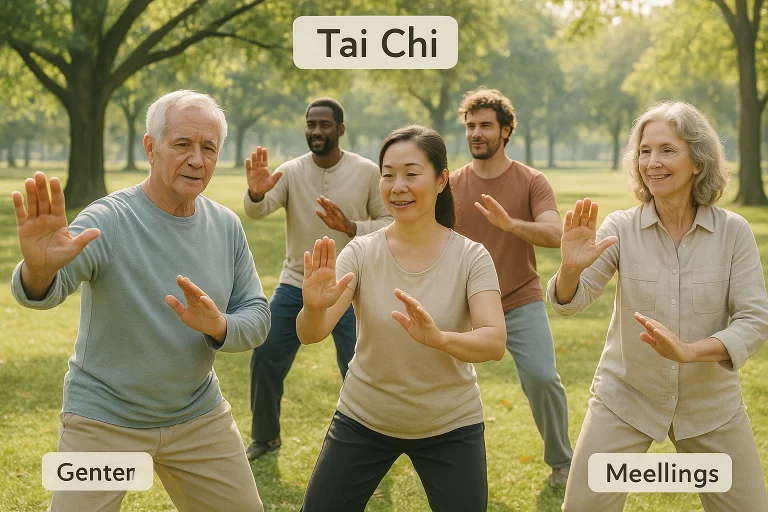
Physical Health Benefits
Practicing Tai Chi and Qigong regularly delivers a broad spectrum of evidence-based physical health advantages:
- Enhanced Balance and Stability: Tai Chi is widely celebrated for its remarkable capacity to improve balance and gait. Repeatedly shifting weight from foot to foot and gently rotating joints builds strength in the core and lower body, significantly reducing the risk of falls and helping to maintain independence in older adults and those recovering from injury.
- Pain Management: The slow, mindful movements of Qigong, in particular, have been validated by clinical research in relieving chronic pain issues, such as back and neck discomfort. Recent findings highlighted in Qigong Effective In Easing Low Back Pain illustrate that regular Qigong can significantly decrease pain intensity and reliance on medications, empowering those with persistent pain to reclaim comfort and mobility in daily life.
- Improved Cardiovascular Health: Though gentle, Tai Chi and Qigong are dynamic enough to stimulate blood flow and help oxygenate vital organs. These practices have been shown to lower blood pressure, enhance heart rate variability, promote better circulation, and support joint flexibility and muscle coordination, all contributing to cardiovascular and respiratory health, as explored further in Qigong: What You Need To Know.
Adapting to Your Needs
One defining strength of Tai Chi and Qigong is their inclusivity. Unlike many forms of exercise that demand athletic prowess, both arts can be easily personalized. Modifications ensure that even those with limited mobility, arthritis, chronic fatigue, or disabilities can benefit. You might practice seated if standing causes discomfort, or slow the sequences to match your breathing. The gentle nature of these exercises helps facilitate healing, making them especially suitable for rehabilitation or those who may be new to movement-based wellness.
Mental and Emotional Well-being
The transformative effects of Tai Chi and Qigong go well beyond physical wellness. These arts also serve as powerful tools for cultivating resilience, clarity, and emotional balance:
- Stress Reduction: Daily practice encourages the nervous system to shift from “fight-or-flight” to “rest-and-digest” states, counteracting adrenaline surges and facilitating deep relaxation. Through rhythmic movement and focused breath, practitioners learn to let go of physical and mental tension, gradually restoring a sense of calm and perspective.
- Enhanced Cognitive Function: Scientific research underscores the positive impact of Tai Chi and Qigong on brain health. Regular participants report improved memory retention, attention span, and problem-solving skills. These effects may be especially valuable for seniors, helping to stave off cognitive decline and protecting brain vitality as we age.
- Better Sleep Quality: Mindful movement is a gentle signal to quiet an overstimulated mind and ease the transition into rest. Practicing Tai Chi or Qigong, particularly in the evening, can support healthier sleep patterns, improve sleep quality, and relieve insomnia symptoms.
Meditation in Motion
Tai Chi and Qigong are often called “meditation in motion” for good reason. By synchronizing the breath with gentle, focused movements, practitioners enter a meditative state that grounds them in the present moment. This mindfulness can quiet racing thoughts, ease anxiety, and build an inner sense of steadiness, enabling greater resilience in meeting life’s emotional challenges.
Incorporating Practices into Daily Life
One of Tai Chi’s and Qigong’s chief appeals is their adaptability to any lifestyle. No fancy equipment or extensive time commitment is required. Instead, these practices fit seamlessly into the flow of your day:
- Short Sessions: Even dedicating just 10 to 20 minutes a day can yield significant benefits, making it easy to integrate practice before breakfast, during work breaks, or as part of an evening ritual to unwind.
- Flexible Locations: Whether you prefer solitude in your living room, the invigorating air of your backyard, or the lively ambiance of a public park, Tai Chi and Qigong require minimal space. They can be practiced almost anywhere, from senior centers to office break rooms.
- Online Resources: For guidance and inspiration, a wealth of digital classes, instructional videos, and structured online courses support you at any stage. Reliable, on-demand content, like that offered to learn tai chi online at your own pace, ensures you learn safely and effectively, revisiting techniques whenever you wish.
Building a Lasting Routine
Consistency is the most essential ingredient. It’s better to move daily than exhaust yourself in infrequent marathons. Start with short, achievable sessions and allow your practice to grow naturally, increasing duration or complexity only as your comfort and confidence improve. Many find it handy to link their practice with a daily cue—brushing teeth in the morning or unwinding after dinner—which helps move a positive, non-negotiable part of life.
Community and Social Engagement
Although solo practice can be deeply nourishing, community engagement adds rich new dimensions to Tai Chi and Qigong:
- Social Interaction: Participating in group classes provides a sense of belonging and camaraderie. Meeting with others who share your interest in holistic living can spark friendships and ease feelings of isolation, especially for those who live alone or work remotely.
- Motivation: Group practice sustains motivation, offering accountability and inspiration. Witnessing the progress of fellow students and receiving encouragement from peers can empower you to stay on track with your wellness goals.
- Learning Opportunities: In-person sessions with experienced instructors give you valuable feedback on your form and approach. Group dynamics encourage sharing tips, stories, and cultural insights that deepen your appreciation of these practices and broaden your perspective.
Sorry, the comment form is closed at this time.