

13 Jun From Shed to Sanctuary: Designing a Calm and Useful Backyard Retreat
The demand for backyard escapes has surged due to lifestyle changes, remote work, and mental health concerns. People are seeking tranquility outside their homes rather than opting for expensive spas or vacations. Transforming sheds into retreats provides flexibility and creative freedom, regardless of yard size or budget. Practicality is also essential, as having a dedicated space helps distinguish work from home life. Studies indicate that a green or restful space can enhance mood, focus, and reduce stress, making backyard projects a valuable investment.
Starting With the Basic Shed
Every inviting retreat begins with a solid, weather-ready structure. Whether starting from scratch or sprucing up an old tool shed, the initial phase sets the future potential of your hideaway. Durability, insulation, and weatherproofing are crucial for ensuring year-round comfort and minimizing upkeep. Many homeowners choose a custom or prefabricated solution, seeking the support of a reliable shed builder to ensure their structure meets their needs and stands the test of time.
The transformation can begin once the basics are covered—a sound roof, secure doors, and intact windows. Instead of treating sheds as mere storage, you can reinvent the space with creative carpentry, paint, and updates. Consider ventilation options like skylights or larger windows to let in extra daylight. Soundproofing and soft finishes can help the space adapt for uses such as music practice or meditation.
Planning Your Sanctuary’s Purpose
Defining the purpose of your backyard retreat is essential for successful design. Early decisions guide the process and help avoid unnecessary expenses. Consider the space’s dimensions, potential uses, and seating requirements. Compile a list of must-haves and nice-to-haves to allocate your budget effectively. Visual brainstorming through mood boards or online planning tools brings your vision to life. Utilizing cutsheets or sketches can prevent future headaches.
Designing for Comfort and Calm
The secret to a true sanctuary lies in the details. Choosing a color scheme inspired by nature—think sage green, sandy beige, or soft sky blue—sets a soothing tone from the start. Blending in cozy furniture and plush textiles, like armchairs layered with throws or oversized floor pillows, invites people to unwind and linger.
Lighting can shape the mood at any time. Plenty of natural light through oversized windows or strategically placed mirrors keeps the room open and positive, while curtains or blinds offer privacy when needed. Layered artificial lighting—table lamps for a warm glow, recessed lights for ambiance, or fairy lights for whimsy—adds charm after sundown.
Sensory elements tie the experience together. A subtle scent from an oil diffuser, a woven rug’s inviting texture, or a tabletop fountain’s gentle sound contribute to a multi-sensory retreat. Soft music or nature sounds played through a small speaker can further enhance the atmosphere, making the backyard shed feel like an extension of your home’s personality.
Landscaping and Outdoor Features
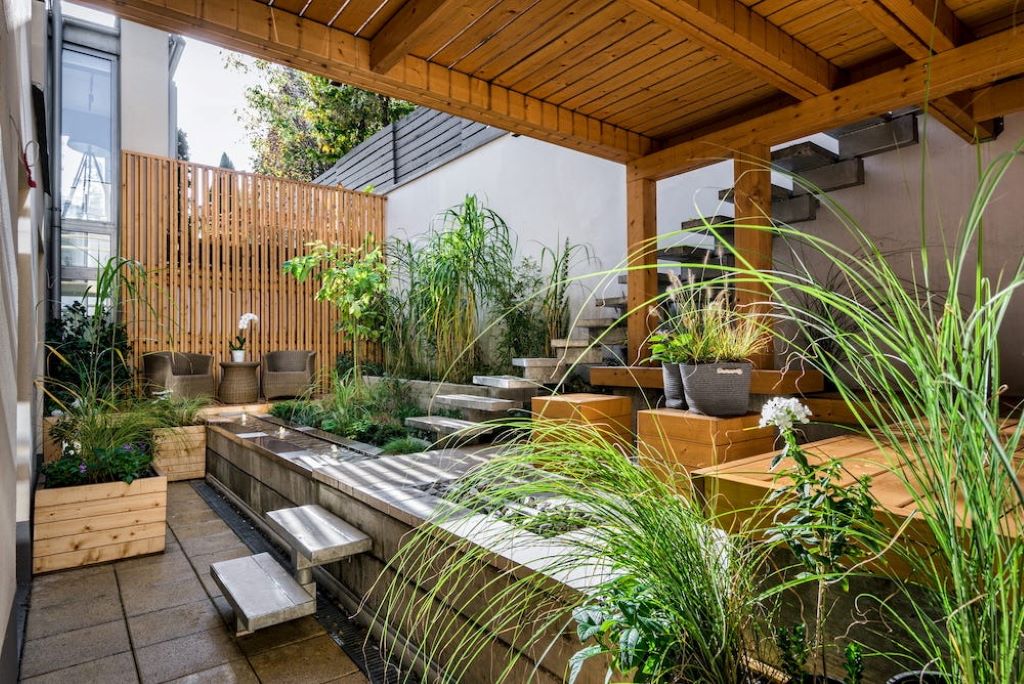
The approach and scenery around a retreat significantly impact the relaxation experience. Planting beds with perennials, herb pathways, or ornamental grasses creates a lush, tranquil scene. Even narrow city backyards can be used for privacy and beauty. Well-planned access routes, simple touches like hanging baskets, solar pathway lights, or garden art, enhance the experience. Water features, like birdbaths or fountains, attract wildlife and promote a peaceful ambiance. Coupled with thoughtful landscaping, retreats can lead to mental health benefits like reduced stress and better focus.
Practical Tips for Maximizing Space
- Embrace flexible accommodations: fold-down desks, Murphy beds, or built-in benches with storage help your retreat adapt to changing needs.
- Think upwards: wall-hung shelving, hooks, and hanging baskets keep items organized and maintain a spacious feel.
- Choose multipurpose furniture for small studio-style layouts, like ottomans that serve as seats or coffee tables.
- Incorporate lightweight, mobile furnishings that can be rearranged for solo relaxation or group gatherings.
- Use baskets, bins, and caddies to keep supplies tidy—essential for small spaces, like art rooms, gyms, or home offices.
- If wiring is a challenge, opt for battery-powered lamps or fairy lights. These are practical and easy to move or update seasonally.
Sorry, the comment form is closed at this time.