

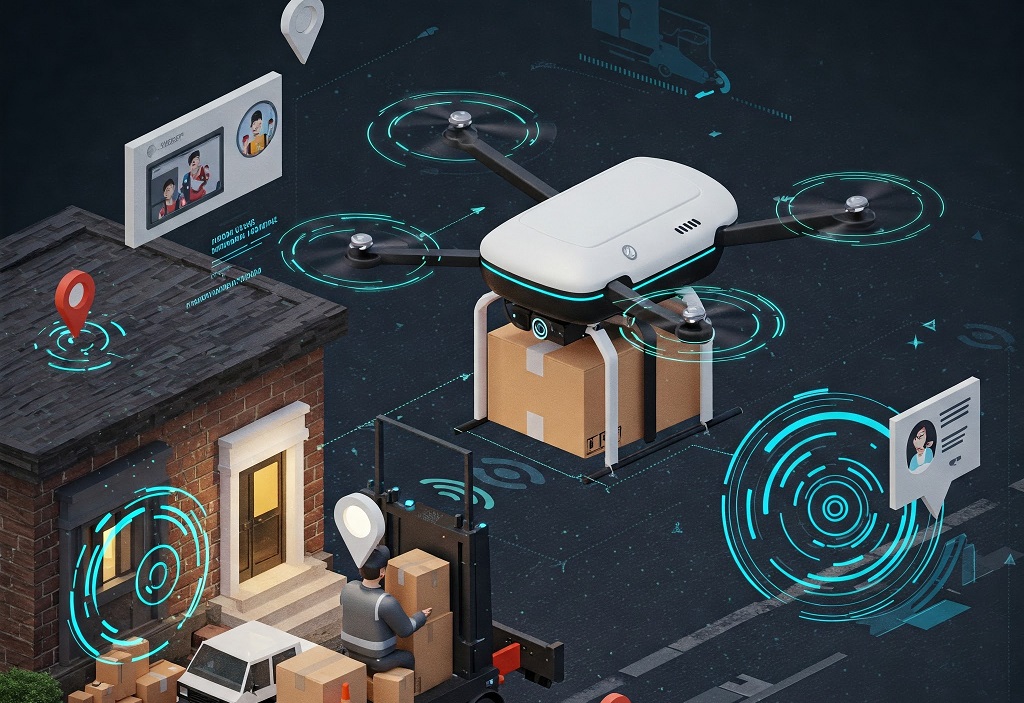
25 Feb Innovative Solutions in Material Handling and Their Impact on Efficiency
Material handling is rapidly evolving due to technological advancements and the need for efficiency. Businesses use industrial carts and automated systems to improve logistics and supply chain operations. This essay examines the advantages and difficulties of these developments and upcoming market trends. Adopting modern solutions enhances productivity and promotes workplace safety, making it essential for businesses to stay competitive and thrive in today’s fast-paced environment.
Introduction to Material Handling Innovations
Material handling has undergone a remarkable transformation over the years. Traditionally, traditional methods relied heavily on manual labor, with human workers undertaking most tasks related to moving, protecting, and storing materials within a manufacturing setting. However, as industries expanded and became more complex, the limitations of these methods became apparent, paving the way for modern solutions that emphasize automation and efficiency.
The need for innovation in this sector is paramount, as industries worldwide strive to meet increasing consumer demands while maintaining seamless supply chain operations. The advent of automation, industrial carts, and digitalization technologies improves precision and simplifies procedures, producing better results and more output.
Types of Advanced Material Handling Equipment
Today, a wide range of advanced material handling equipment is available to cater to various industrial needs. For instance, automated guided vehicles (AGVs) utilize guided paths to transport materials within a factory setting with minimal human intervention. These vehicles improve safety and reduce labor costs by performing repetitive tasks efficiently and effectively.
Additionally, advanced conveyor systems and robotic arms have become staples in many warehouses and manufacturing plants. They interlink various production stages, ensuring a smooth flow of goods and materials. The advent of robotics has brought unparalleled precision to manufacturing processes, significantly reducing errors and waste.
Benefits of Using Innovative Equipment
Innovative material handling equipment offers a treasure trove of benefits, revolutionizing how industries operate. Key advantages include:
- Increased Productivity: Automation speeds up processes, allowing more tasks to be completed in less time. Companies can handle larger volumes of work, thereby increasing their output and service levels.
- Reduced Labor Costs: As machines take over repetitive and labor-intensive tasks, the need for human labor decreases, leading to significant cost savings. This freed-up labor can focus on more strategic tasks that add value to the business.
- Enhanced Workplace Safety: By reducing the possibility of workplace accidents, assigning dangerous jobs to robots promotes a safer working environment. Safety advancements translate to reduced insurance costs and happier, healthier workers.
- Streamlined Operations: Innovative equipment optimizes the flow of materials and goods, leading to smoother operations and lowering delays and bottlenecks common in manual systems.
Challenges in Implementing New Technologies
Despite the obvious advantages, using new technology in material handling has drawbacks. The initial investment costs can be substantial for small and medium-sized enterprises, making them a significant entry barrier. However, if the technology greatly increases operational efficiency, the long-term advantages frequently exceed these upfront expenses.
Moreover, businesses must address the skills gap often accompanying new technology integration. Employees would need intensive training to adjust to new procedures, and resistance to change might provide further challenges. Ensuring compatibility with existing systems is another challenge that requires careful planning and execution.
Future Trends in Material Handling
Thanks to the growth of AI and IoT technologies, material handling is poised for a future of limitless possibilities. These technologies are set to revolutionize the industry, enabling smarter and more adaptive systems. Machines equipped with AI can learn and adapt to changing conditions, optimizing their performance and facilitating predictive maintenance and management practices.
IoT-connected devices will facilitate the seamless flow of information, allowing for enhanced tracking and monitoring capabilities. This connectivity will lead to more resilient and agile supply chains, capable of swiftly responding to changes in demand and external conditions, further cementing the role of innovation in the industry.
How to Choose the Right Equipment for Your Business
Selecting the right equipment requires a meticulous assessment of various factors, including the size and type of business, the materials being handled, and the available budget. Conducting a thorough needs analysis helps determine which equipment would provide the highest return on investment and align with specific operational goals.
Considerations should include the technology’s scalability, future-proofing against industry changes, and compatibility with existing systems. When selecting equipment, staying informed about best practices for handling materials is essential.
Conclusion: Balancing Innovation with Practicality
In conclusion, while the shift towards innovation in material handling presents immense opportunities, balancing these advancements with practical business needs is crucial. The secret to long-term success is staying current with emerging technology and making calculated machinery investments that improve operational effectiveness without sacrificing usefulness. The ultimate objective is to create efficient operations that satisfy the constantly changing needs of contemporary industry.
Sorry, the comment form is closed at this time.